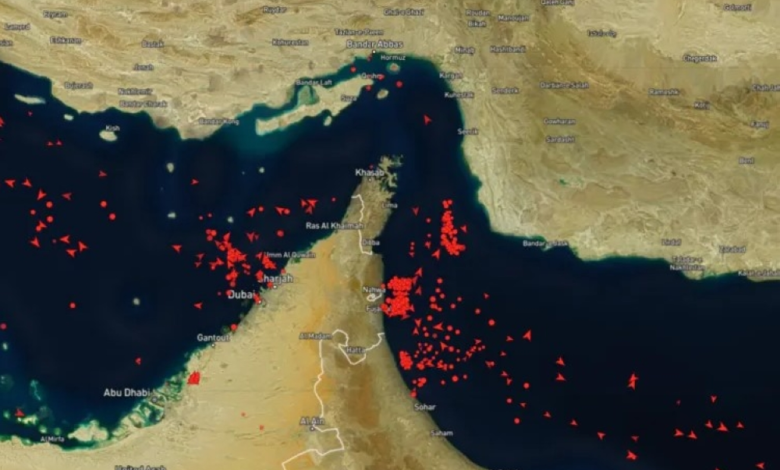

تصعيد إيراني أمريكي جديد حول مضيق هرمز
في ظل التوترات المتصاعدة في منطقة الشرق الأوسط، وصف قائد البحرية الإيرانية، شهرام إيراني، تهديدات الرئيس الأمريكي دونالد ترامب بفرض حصار بحري على مضيق هرمز بأنها “سخيفة جداً ومضحكة”. جاءت هذه التصريحات النارية عقب فشل محادثات مطولة جرت بين طهران وواشنطن في العاصمة الباكستانية، والتي كانت تهدف إلى التوصل لاتفاق ينهي حالة الصراع والتوتر في المنطقة. ونقل التلفزيون الرسمي الإيراني عن إيراني تأكيده أن رجال القوة البحرية في الجيش الإيراني يراقبون ويشرفون بدقة على كافة تحركات الجيش الأمريكي في المنطقة، معتبرين إياه قوة معتدية.
موقف حازم من القيادة الإيرانية
وفي سياق متصل، شدد رئيس مجلس الشورى الإيراني، محمد باقر قليباف، على أن بلاده لن ترضخ لأي تهديدات خارجية. وصرح قليباف فور عودته إلى طهران بعد قيادته للوفد التفاوضي في باكستان قائلاً: “إذا قاتلوا فسنقاتل، وإذا تصرفوا بمنطق فسننتعامل بمنطق. لن نرضخ لأي تهديد، فليختبروا إرادتنا مرة أخرى حتى نلقنهم درساً أكبر”. تعكس هذه التصريحات مدى تمسك طهران بموقفها الرافض للضغوط الأمريكية، واستعدادها لكافة السيناريوهات العسكرية والسياسية المحتملة.
السياق التاريخي للصراع في الممرات المائية
لا يعتبر التوتر حول مضيق هرمز وليد اللحظة، بل يمتد لعقود من الزمن. يُعد المضيق، الذي يقع بين سلطنة عمان وإيران، أحد أهم الممرات المائية الاستراتيجية في العالم. تاريخياً، شهدت هذه المنطقة احتكاكات متكررة بين القوات البحرية الإيرانية والأسطول الخامس الأمريكي المتمركز في مملكة البحرين، والذي يتولى مهمة تأمين حرية الملاحة في الخليج العربي. لطالما استخدمت إيران ورقة التهديد بإغلاق المضيق كرد فعل على العقوبات الاقتصادية أو التهديدات العسكرية، مما يعيد للأذهان حقبة “حرب الناقلات” في الثمانينيات، والتي أثبتت مدى حساسية هذا الممر المائي لأي صراع عسكري وتأثيره المباشر على أمن الطاقة العالمي.
الأهمية الاستراتيجية وتأثير الحصار المتوقع
على الصعيد الدولي، يحمل أي تهديد بإغلاق أو فرض حصار على مضيق هرمز تداعيات كارثية على الاقتصاد العالمي. يمر عبر هذا المضيق الضيق حوالي 20% إلى 30% من إجمالي الاستهلاك العالمي للنفط يومياً. بالتالي، فإن أي تعطيل لحركة الملاحة سيؤدي فوراً إلى ارتفاع جنوني في أسعار الطاقة العالمية، مما يهدد بموجات تضخم تضرب الاقتصادات الكبرى في آسيا وأوروبا والأمريكيتين وتؤدي إلى ركود اقتصادي عالمي.
أما على الصعيدين الإقليمي والمحلي، فإن دول الخليج العربي تعتمد بشكل شبه كلي على هذا الممر لتصدير نفطها وغازها إلى الأسواق العالمية. وفي الوقت نفسه، سيشكل الحصار البحري الأمريكي، إن نُفذ، ضربة قاصمة للاقتصاد الإيراني الذي يعاني بالفعل من وطأة العقوبات الدولية القاسية، حيث تعتمد طهران على المضيق لتصدير نفطها، خاصة إلى حلفائها التجاريين مثل الصين. إن تحول هذه التهديدات المتبادلة إلى أفعال على أرض الواقع قد يشعل شرارة حرب إقليمية واسعة النطاق، تتجاوز حدود المياه الخليجية لتشمل وكلاء وحلفاء لكلا الطرفين في أرجاء الشرق الأوسط، مما يهدد السلم والأمن الدوليين بشكل غير مسبوق.