
تصعيد إيراني في مضيق هرمز وتداعيات عالمية
في خطوة تنذر بتصعيد كبير في المنطقة وتداعيات خطيرة على أسواق الطاقة العالمية، أعلن مسؤول إيراني أن طهران لن تسمح بمرور أكثر من 15 سفينة يومياً عبر مضيق هرمز الاستراتيجي. هذا القرار، الذي نقلته وكالة الأنباء الروسية “تاس” وأوردته قناة “العربية”، يمثل تحولاً جذرياً في حركة الملاحة البحرية في أحد أهم الممرات المائية في العالم، والذي يُعد شرياناً حيوياً للاقتصاد العالمي.
الأهمية الاستراتيجية لمضيق هرمز وتأثير القيود
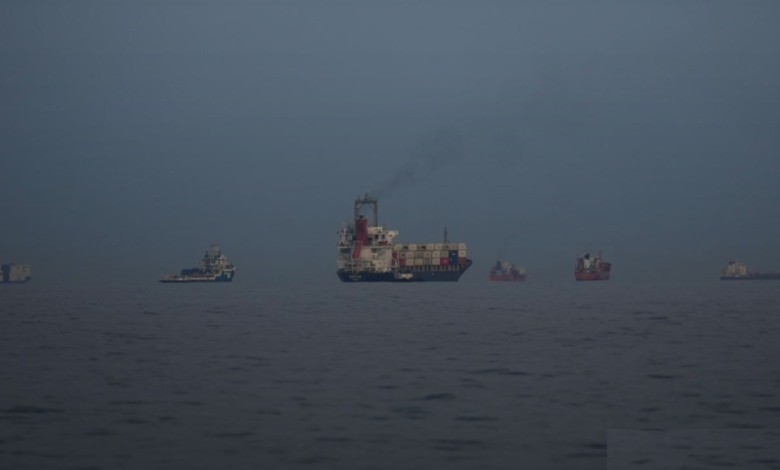
يُعد مضيق هرمز الممر الأهم لتدفقات النفط والغاز عالمياً، حيث يمر عبره تاريخياً نحو خُمس الاستهلاك العالمي من النفط الخام، بالإضافة إلى كميات ضخمة من الغاز الطبيعي المسال. إن تقليص عدد السفن المسموح لها بالعبور إلى 15 سفينة فقط يومياً يخلق أزمة اختناق مروري بحري غير مسبوقة. وفي هذا السياق، كشفت شبكة “CNN” الأمريكية عن وجود أزمة حقيقية تتجسد في تكدس 426 ناقلة نفط و53 ناقلة غاز لا تزال عالقة في المنطقة بانتظار العبور، مما يهدد بارتفاع حاد في أسعار الطاقة العالمية وتأخير في سلاسل الإمداد الدولية.
الموقف الأمريكي والجهود الدولية لعودة الملاحة
على الجانب الآخر، تتابع الإدارة الأمريكية تطورات الأوضاع عن كثب. فقد نقلت “العربية” عن البيت الأبيض تأكيده أن الأمور ستعود إلى طبيعتها “قريباً جداً” بمجرد إعادة فتح مضيق هرمز بشكل كامل أمام حركة الملاحة الدولية. وأوضح البيت الأبيض أنه تم رصد مرور سفن متفرقة عبر المضيق، مما يعطي بصيص أمل في إمكانية انفراج الأزمة. وتأتي هذه التصريحات في وقت تضغط فيه القوى الدولية لضمان حرية الملاحة وتأمين إمدادات الطاقة التي تعتمد عليها الدول الصناعية الكبرى.
مسارات بديلة ومخاوف أمنية من الألغام البحرية
في تطور أمني لافت، أعلنت القوة البحرية التابعة للحرس الثوري الإيراني عن إجراءات استثنائية تتعلق بمسارات العبور. فقد ألزمت السفن المارة عبر مضيق هرمز بسلوك طريقين بديلين يقعان بالقرب من الساحل الإيراني، وتحديداً في جنوب وشمال جزيرة لارك. ونقلت وكالة أنباء “مهر” الإيرانية بياناً عسكرياً أشار إلى أن هذا الإجراء يأتي من أجل الحماية من اصطدامات محتملة بألغام بحرية على الطريق المعتاد. هذا الإعلان يثير مخاوف أمنية عميقة بشأن سلامة الملاحة واحتمالية وجود تهديدات خفية تحت سطح الماء تتطلب تنسيقاً مستمراً مع البحرية الإيرانية حتى إشعار آخر.
انفراجة جزئية بعد سريان وقف إطلاق النار
رغم هذه القيود الصارمة والمخاوف الأمنية، شهد المضيق حركة محدودة مؤخراً. فقد أفادت صحيفة “نيويورك تايمز” الأمريكية، وفقاً لما نقلته “العربية”، بعبور 4 سفن بضائع عبر مضيق هرمز منذ بدء سريان اتفاق وقف إطلاق النار. هذه الخطوة قد تمثل اختباراً أولياً لمدى التزام الأطراف بتهدئة التوترات والسماح بالتدفق التدريجي للبضائع الأساسية، رغم بقاء أزمة ناقلات الطاقة الكبرى قائمة وتنتظر حلاً جذرياً لتجنب أزمة اقتصادية عالمية.