The Revolutionary Guard officially closes the Strait of Hormuz: a surge in oil exports

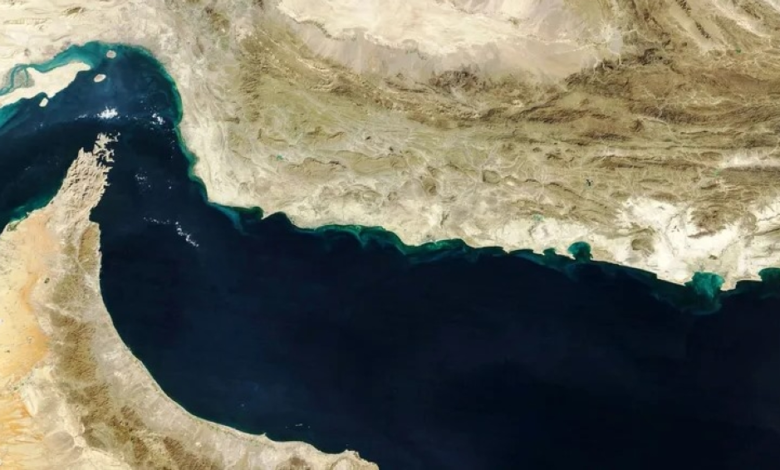
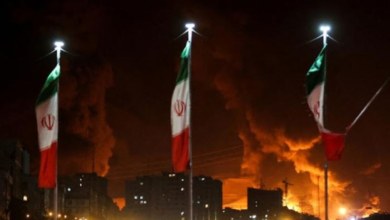
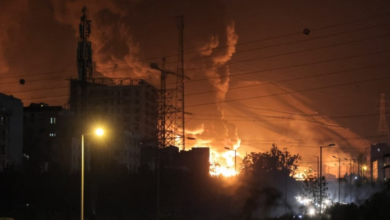
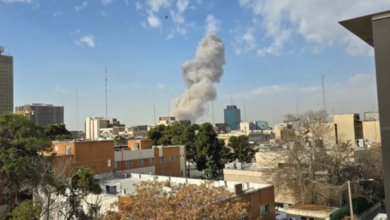
In a dangerous geopolitical development that has shaken the international community and global energy markets, the Iranian Revolutionary Guard officially announced the closure of the Strait of Hormuz, the world's most important waterway for oil supplies, according to Al Arabiya. This announcement marks a major turning point in regional tensions, with the United Kingdom Maritime Trade Operations (UKMTO) confirming it had received official notification of the closure of the strait in the Arabian Gulf, raising the specter of widespread security and economic repercussions.
Preemptive leap in Iranian oil exports
Recent economic reports have revealed Iranian actions preceding this announcement. Bloomberg reported that Tehran has unprecedentedly doubled its oil loading operations onto tankers in recent days. Analysts suggest this move was a preemptive measure to secure oil revenues before the blockade takes effect, reflecting prior planning for this escalation.
According to detailed data from Kpler, a company specializing in tracking oil tankers and shipments, Iranian oil exports from the main Kharg Island terminal reached record highs between February 15 and 20. The total volume loaded reached approximately 20.1 million barrels, three times the amount loaded during the same period in January. This rate, exceeding 3 million barrels per day, indicates Tehran's desire to offload as much of its oil reserves as possible to global markets before the Strait of Hormuz is closed.
The strategic importance of the Strait of Hormuz
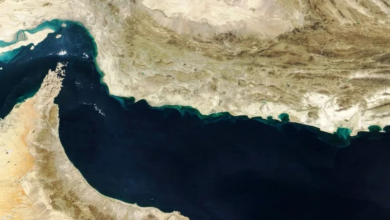
This event gains its gravity from the paramount strategic importance of the Strait of Hormuz, considered the world's main energy artery. Nearly one-fifth of the world's oil consumption and a quarter of global liquefied natural gas trade pass through this narrow waterway. The strait connects crude oil producers in the Middle East, including Saudi Arabia, the United Arab Emirates, Kuwait, Iraq, and Iran, to major markets in Asia, Europe, and North America.
Historically, the strait has been a tool of political and military pressure, but the official declaration of its closure sets a precedent that moves threats from the realm of verbal maneuvering to tangible operational reality. The strait is 21 miles (34 kilometers) wide at its narrowest point, but the shipping lane used by vessels is only about two miles wide in each direction, making it relatively vulnerable to military closure or mining.
Expected economic and political repercussions
This decision is expected to cast an immediate shadow over the global economy. Experts believe that closing the strait will inevitably lead to a dramatic surge in oil prices, potentially exceeding $150 per barrel, which will exacerbate global inflation and cripple supply chains. Maritime insurance costs will also rise sharply, and commercial shipping in the region could come to a near standstill due to fears of military action.
Internationally, this announcement puts the region on edge, as major world powers, particularly the United States, which maintains its Fifth Fleet in Bahrain, consider freedom of navigation in the Strait of Hormuz a "red line." This move is likely to prompt urgent diplomatic efforts and potentially an international military buildup to ensure the reopening of the waterway and the continued flow of energy to the world, thus increasing the likelihood of a direct military confrontation in the region.