Iran clarifies its position on the closure of the Strait of Hormuz and Trump's statements

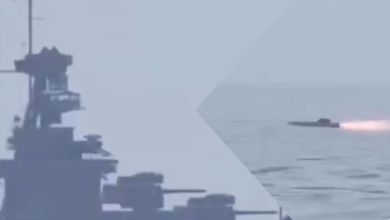
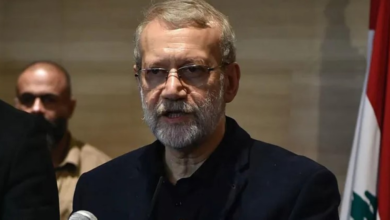
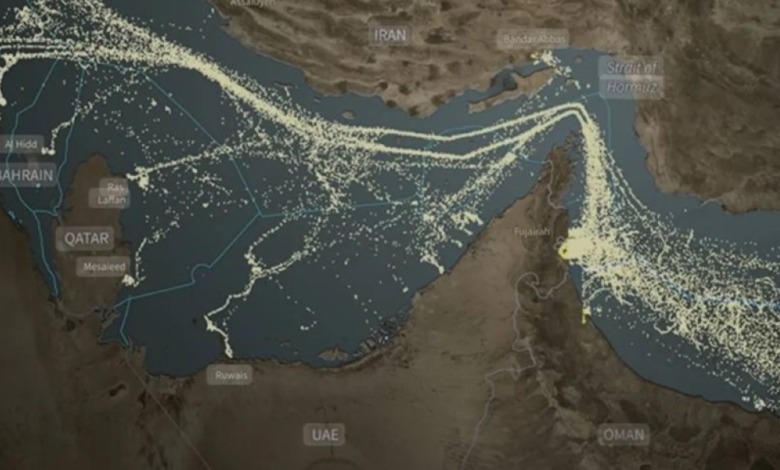
Iranian Foreign Minister Abbas Araqchi confirmed in recent press statements that the Islamic Republic of Iran does not currently intend to close the strategic Strait of Hormuz, emphasizing that this vital waterway remains open to international shipping. These remarks came during an interview Araqchi gave to NBC News, where he clarified that Tehran has not closed the strait, and that the challenges currently facing ships and oil tankers stem from the concerns of operating companies about being targeted amidst escalating tensions, and not from any Iranian decision to impose a blockade.
Despite denying any current intention to shut down the oil facilities, the Iranian diplomat left the door open to all possibilities, indicating that this option might be considered if Israel and the United States continue their escalation and war against his country. These statements come at a time of heightened political and military tension in the region, placing global energy security in a state of constant uncertainty.
Trump and the controversy surrounding the succession of the Iranian Supreme Leader
In a related development, former US President and current presidential candidate Donald Trump made controversial remarks expressing his desire to play a role in the selection of a successor to Iranian Supreme Leader Ali Khamenei. Trump categorically rejected the possibility of Mojtaba Khamenei, the Supreme Leader's son, assuming the position, describing him as "worthless." In an interview with Axios, Trump cited the Venezuelan model, pointing to the political changes that have taken place there, suggesting his desire to engineer a new political landscape in Tehran that aligns with US interests.
The strategic importance of the Strait of Hormuz
To understand the seriousness of hints at closing the Strait of Hormuz, one must consider the geopolitical and economic importance of this waterway. The Strait of Hormuz is the world's most important oil chokepoint, connecting Middle Eastern oil producers with major markets in Asia, Europe, and North America. International estimates indicate that nearly one-fifth of the world's oil consumption passes through this strait daily, in addition to enormous quantities of liquefied natural gas, particularly from Qatar.
Historically, Iran has consistently used the Strait of Hormuz as a tool of maximum pressure in the face of Western sanctions or military threats. Economic experts warn that any actual disruption to navigation in this strait would not only lead to a dramatic surge in oil prices, potentially exceeding $150 per barrel, but would also trigger a global wave of inflation affecting both major and emerging economies.
Repercussions of regional escalation
These statements carry added weight given the ongoing war and persistent tensions between Israel and Iran and their respective proxies in the region. Analysts believe Araqchi's remarks carry a dual message: first, to reassure global markets and oil-importing countries (especially China, Iran's largest trading partner); and second, as a deterrent to the United States and Israel, indicating that Tehran possesses leverage capable of inflicting significant damage on the Western economy should it face an existential threat.