Iran announces bombing of Dimona in response to the targeting of the Natanz facility

In a dangerous escalation reflecting heightened tensions in the Middle East, Iranian state television announced that Iranian forces had launched a missile attack targeting Dimona, the site of Israel's most prominent nuclear facility in southern Israel. Tehran asserted that the attack was a direct and decisive response to the earlier attack on Iran's Natanz nuclear facility
Details of the Israeli attack on the Natanz facility
The Atomic Energy Organization of Iran (AEOI) stated in an official statement, carried by the Tasnim News Agency, that the Natanz uranium enrichment facility was the target of a sabotage attack on Saturday morning. The AEOI described the attack as a “criminal act” perpetrated by the United States and Israel. Despite damage to the facility's entrance buildings, Iranian authorities reassured the international community that no radioactive material leaks had been reported at the site in central Iran, allaying fears of an immediate environmental or health disaster.
The Iranian response and the targeting of Dimona
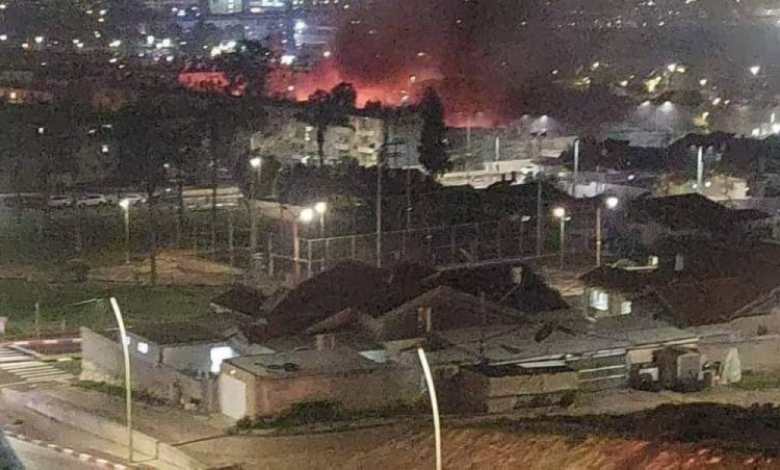
In response to this attack, Iran targeted the strategic city of Dimona. The Israeli military confirmed that Dimona was struck by an Iranian missile. According to Israeli emergency services, the attack injured 39 people. This development represents a significant shift in the rules of engagement between the two sides, moving the confrontation from cyberattacks and intelligence operations to direct missile strikes.
Historical context: The shadow war between Iran and Israel
This event comes within the broader context of what is known as the “shadow war” that has been ongoing for years between Tehran and Tel Aviv. Historically, Israel considers the Iranian nuclear program an existential threat and has previously carried out several covert operations to disrupt it, perhaps the most famous being the Stuxnet virus attack in 2010, which specifically targeted centrifuges at Natanz. In response, Iran seeks to bolster its regional influence and develop its nuclear and missile capabilities, vowing to retaliate against any attack on its sovereignty or sensitive facilities.
Strategic importance and expected repercussions
The two targeted facilities are of paramount importance; the Natanz facility is the heart of Iran’s uranium enrichment program, while the Dimona reactor is widely believed to be the center of Israel’s undeclared nuclear weapons program. Locally and regionally , this tit-for-tat escalation threatens to drag the entire region into an open military confrontation that could involve other parties and allied armed groups. Internationally , this tension casts a long shadow over global energy markets and complicates ongoing diplomatic efforts, particularly those related to the Vienna negotiations aimed at reviving the nuclear agreement (the Joint Comprehensive Plan of Action), thus presenting the international community with a significant challenge to contain the situation and prevent a slide into all-out war.