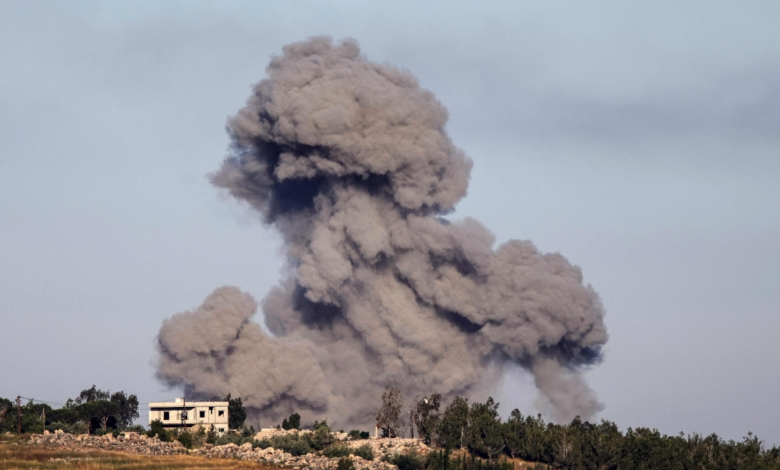

في خطوة تعكس عمق الترابط بين مسارات الدبلوماسية والتوترات الميدانية في الشرق الأوسط، أعلنت إيران عن تعليق المباحثات مع أمريكا التي كانت تجري عبر وسطاء، وذلك على خلفية استمرار الحرب بين إسرائيل وحزب الله في لبنان. ونقلت وكالة أنباء “تسنيم” الإيرانية أن الوفد الإيراني المفاوض أوقف الحوار وتبادل الرسائل مع واشنطن، معتبراً أن انتهاك وقف إطلاق النار والهجمات الإسرائيلية المستمرة على الأراضي اللبنانية يجعل مواصلة أي حوار أمراً غير ممكن في الوقت الراهن.
خلفيات الحوار المعقد بين طهران وواشنطن
تأتي هذه المباحثات في سياق تاريخ طويل من العلاقات المتوترة بين إيران والولايات المتحدة منذ عقود. وعادةً ما تجري هذه الحوارات بشكل غير مباشر، بوساطة دول مثل سلطنة عمان وقطر، وتتناول ملفات شائكة أبرزها البرنامج النووي الإيراني، والعقوبات الاقتصادية الأمريكية المفروضة على طهران، ودور إيران الإقليمي عبر حلفائها في المنطقة. وكانت هذه القنوات الدبلوماسية الخلفية تمثل بارقة أمل لتخفيف حدة التوترات وتجنب المواجهات المباشرة، إلا أن التصعيد الأخير في جنوب لبنان أعاد خلط الأوراق وفرض واقعاً جديداً على طاولة المفاوضات.
لماذا تم تعليق المباحثات مع أمريكا الآن؟
يرتبط القرار الإيراني بشكل مباشر بالتطورات العسكرية على الجبهة اللبنانية. فوفقاً للمصادر الإيرانية، كان وقف إطلاق النار الشامل في المنطقة، بما في ذلك لبنان، شرطاً مسبقاً لاستئناف الحوار. ومع استمرار العمليات العسكرية الإسرائيلية وتوسعها، رأت طهران أن واشنطن، الحليف الأبرز لإسرائيل، لم تمارس ضغوطاً كافية لوقف الهجمات. وشدد المسؤولون الإيرانيون على أن “الوقف الفوري لكافة العمليات العسكرية العدائية والوحشية للنظام الصهيوني في غزة ولبنان” هو مطلب أساسي لا يمكن التنازل عنه. وبذلك، تستخدم إيران ورقة المفاوضات للضغط من أجل حماية حليفها الاستراتيجي، حزب الله، وتؤكد على وحدة ما تسميه “جبهة المقاومة”.
تداعيات القرار على استقرار الشرق الأوسط
يحمل تجميد هذا المسار الدبلوماسي في طياته تداعيات خطيرة على استقرار المنطقة. أولاً، يزيد من مخاطر سوء التقدير والتصعيد العسكري غير المنضبط، حيث أن غياب قنوات الاتصال، حتى لو كانت غير مباشرة، يقلل من فرص احتواء الأزمات قبل تفاقمها. ثانياً، يعقد القرار الجهود الدولية الرامية إلى منع توسع الحرب في لبنان لتتحول إلى مواجهة إقليمية شاملة قد تجر أطرافاً أخرى، بما فيها الولايات المتحدة وإيران، إلى صراع مباشر. وأخيراً، يضع هذا التعليق مزيداً من العقبات أمام أي محاولة مستقبلية لإحياء الاتفاق النووي أو التوصل إلى تفاهمات جديدة بين الخصمين، مما يترك الباب مفتوحاً أمام سباق تسلح نووي محتمل في المنطقة على المدى الطويل.