The risks of Iran targeting energy facilities in the Gulf and its global impact

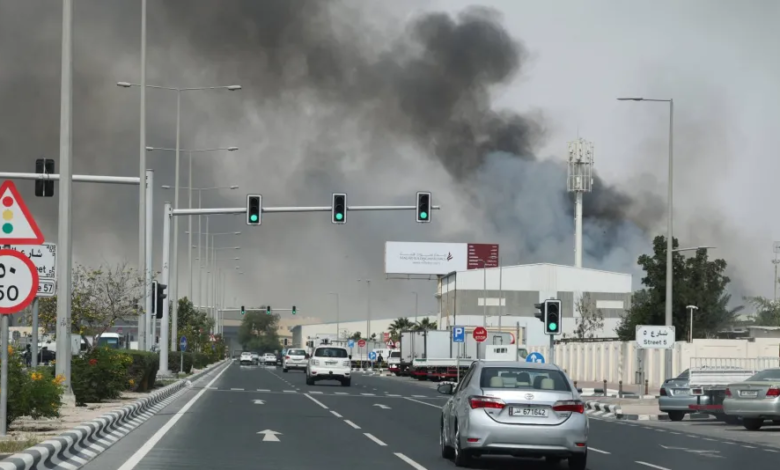
Geopolitical tensions in the Middle East, particularly those related to threats targeting energy facilities in the Gulf Cooperation Council (GCC) countries, pose a significant security and economic concern for the international community. The possibility of Iran targeting oil infrastructure in the GCC is not merely a passing regional event, but a dangerous development that strikes at the heart of the global economy and international energy security.
The strategic importance of Gulf energy facilities
The Gulf Arab states are the world's primary source of oil and gas, with millions of barrels of crude oil and petroleum products passing through the Strait of Hormuz daily. Any threat to these facilities, whether through direct attacks or regional proxies, poses a direct threat to global supply chains. These facilities are of paramount importance in light of current global crises and the market's need for stable supplies to prevent a surge in global inflation.
Historical context and regional tensions
The issue of energy security in the Gulf is not a recent development, but rather an extension of decades of political and military tensions in the region. International memory recalls previous incidents that directly impacted markets, such as the 2019 attacks on the Abqaiq and Khurais facilities in Saudi Arabia, which led to a temporary halt in a significant portion of global production. These historical precedents make any news of a new attack or Iranian threats a rich subject for security analysis and a source of concern in major capitals.
Expected economic and political impacts
Economically, any military escalation targeting energy infrastructure would lead to immediate spikes in oil prices, severely impacting the economies of energy-importing nations and increasing global production and transportation costs. Politically, such actions could prompt international intervention to protect waterways and ensure freedom of navigation, potentially escalating militarization in the region and increasing the likelihood of direct or indirect confrontation between regional and international powers.
In conclusion, the security of energy facilities in the Gulf remains a red line for the global economy, which calls for intensive diplomatic efforts to reduce escalation and ensure the stability of the region away from the language of threats and military targeting.