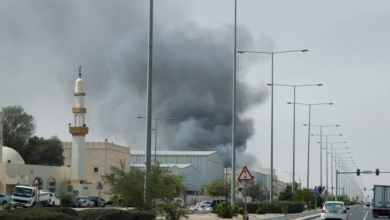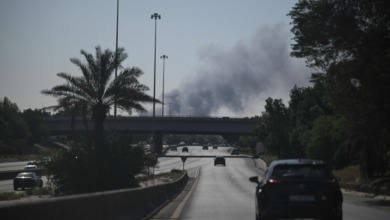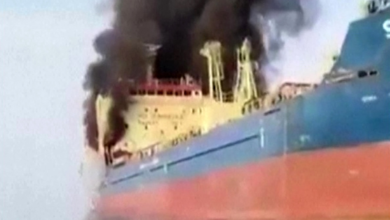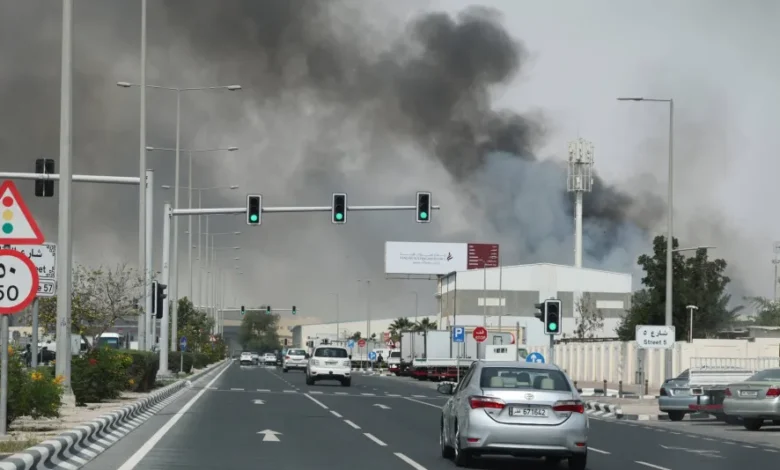
News of Iran targeting energy facilities in the Arabian Gulf region marks a dangerous turning point in regional tensions, raising widespread concerns both regionally and internationally. Any threat to the energy infrastructure in this vital region is not merely a passing security incident, but a direct blow to the lifeblood of the global economy, given the pivotal role the Gulf states play in securing the world's oil and gas supplies.
The strategic importance of the Gulf region and energy security
The Arabian Gulf region is the heart of global energy markets. Nearly one-fifth of the world's liquid oil consumption passes through the Strait of Hormuz alone, making it the most strategically important waterway in the world. Targeting energy facilities in this region poses a direct threat to supply chains, putting global energy security at risk. International powers understand that any prolonged disruption to these supplies could paralyze major industrial sectors in Asia and Europe.
Expected economic impacts: Shock in oil markets
Economically, the mere threat of targeting oil facilities immediately triggers panic in financial markets, resulting in a sharp rise in crude oil prices. Should actual physical damage occur, prices could surge to record highs, exacerbating the already high global inflation rates plaguing major economies. This scenario presents central banks worldwide with significant challenges, as increased energy costs will drive up production and transportation expenses, ultimately burdening the end consumer.
Historical background and context of tensions
These events cannot be separated from the historical context of tensions in the region. Similar incidents have occurred in recent years, most notably the 2019 attacks on Aramco facilities in Abqaiq and Khurais, which temporarily halted a significant portion of Saudi oil production. These incidents demonstrated the vulnerability of the security situation to drones and guided missiles, and underscored the region's need for advanced defense systems and close international cooperation to deter such threats.
International stance and future scenarios
This escalation necessitates urgent international action to ensure freedom of navigation and protect energy infrastructure. Major powers, particularly the United States and European nations, are expected to bolster their military presence in the region's waters to deter further conflict. However, diplomatic solutions remain the best option to prevent the region from sliding into open conflict, which could prove costly for all. The stability of the Gulf region is not only a regional interest but also a vital necessity for the stability of the entire global order.