Iran and the targeting of Gulf states: An analysis of the disregard for security guarantees

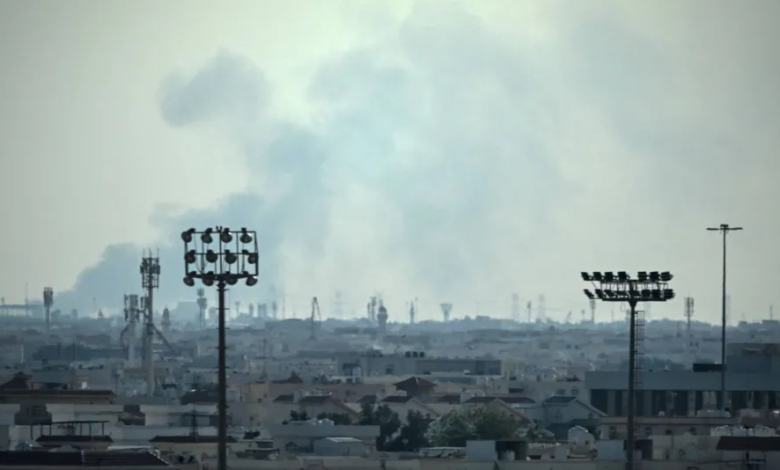
Two political analysts, speaking to the Asharq Al-Awsat newspaper, asserted that Iran's recent actions, including targeting Gulf states, represent a blatant disregard for prior guarantees and diplomatic commitments made by Tehran. This escalation points to a significant gap between Iranian diplomatic rhetoric and its actions on the ground, posing renewed security challenges to the region.
Context of regional tensions and historical background
This event cannot be understood in isolation from the historical context of relations between Iran and the Gulf Cooperation Council (GCC) states. Over the past decades, the region has witnessed ebbs and flows in diplomatic relations, punctuated by periods of intense tension due to Iranian interference in the internal affairs of Arab states and its support for armed militias. Despite recent diplomatic efforts to de-escalate tensions and build confidence-building measures, the continued hostile approach reveals a consistent strategic doctrine in Tehran based on exporting crises.
Observers believe that these moves often come as political messages wrapped in a military character, through which Iran aims to strengthen its negotiating position in other issues, such as the nuclear file or economic sanctions, using Gulf security as a pressure tactic.
Expert analysis: The wall of trust has collapsed
The analysts explained that targeting the Gulf states undermines efforts to rebuild trust. Previous guarantees, whether through international mediators or during direct talks, were intended to keep the region out of military conflicts. However, Iran's violation of these commitments confirms the view that the Iranian regime separates the diplomatic track from its destabilizing military behavior, making reliance on verbal promises risky without robust international deterrence and monitoring mechanisms.
Strategic importance and expected impacts
This event is of paramount importance given the Arabian Gulf region's status as a major artery of global energy. Any threat to the security of these countries not only impacts regional stability but also extends its reach to the global economy and oil and energy markets. This behavior is expected to push the Gulf states to strengthen their defense systems and solidify their strategic alliances to ensure their national security.
On the international level, this escalation places the international community before its responsibilities, as Tehran is expected to face increasing diplomatic pressure to cease its practices that threaten international peace and security. Ignoring prior guarantees could lead to a redrawing of the security map in the region, potentially freezing diplomatic rapprochement efforts until genuine and verifiable assurances are provided.