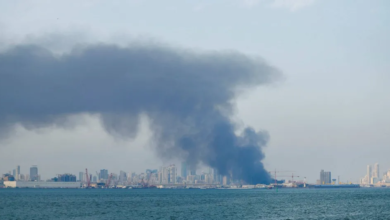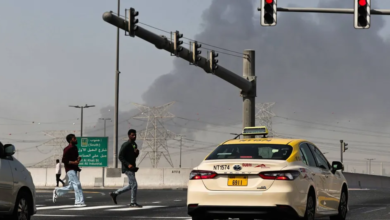
In a significant development in the Arabian Gulf region, reports have emerged indicating an Iranian attack targeting the Sultanate of Oman. This represents a qualitative shift in regional relations, given Muscat's historical role as an impartial and neutral mediator in the region. This event has sparked a wave of Gulf reactions expressing solidarity with the Sultanate and reaffirming the shared destiny and common security of the Gulf Cooperation Council (GCC) states.
The paradox of targeting the impartial mediator
These developments are significant because Oman has been known for decades as the "Switzerland of the Middle East," having pursued a policy of non-interference and positive neutrality. Muscat has long been the most reliable back channel for negotiations between Tehran and Western capitals, particularly Washington. The Sultanate hosted crucial rounds of talks that paved the way for the nuclear agreement and played a pivotal role in prisoner exchanges and de-escalating tensions in the Strait of Hormuz. Therefore, any hostile Iranian move toward Oman is interpreted as a sharp political message that transcends the Sultanate's geographical borders and impacts the security structure of the entire region.
Broad Gulf solidarity: Security is indivisible
Upon learning of these tensions, the Gulf Cooperation Council (GCC) states were quick to express their full and unwavering solidarity with the Sultanate of Oman. This stance stems from the GCC's security doctrine, which stipulates that "the security of the GCC states is indivisible," and that any threat to one member state is a threat to the entire Gulf system. The statements issued and the diplomatic moves undertaken by the GCC conveyed a clear message to Tehran: any attempt to isolate any Gulf state, even those with warm relations with Iran, will be met with a unified and resolute Gulf response.
Geopolitical dimensions and their impact on the region
Observers believe this escalation could be an Iranian attempt to reshuffle the cards in the region or exert indirect pressure on the international community by targeting a key diplomatic hub in the Gulf. Oman occupies a strategic position overlooking the Strait of Hormuz, a vital artery for global energy supplies; therefore, any tension affecting the Sultanate's security has immediate repercussions for energy markets and the global economy.
Targeting a country of Oman’s size and diplomatic standing presents the region with complex scenarios that may lead to a comprehensive reassessment of relations with Tehran and the strengthening of Gulf defense alliances to ensure regional stability and protect international waterways from any potential threats.