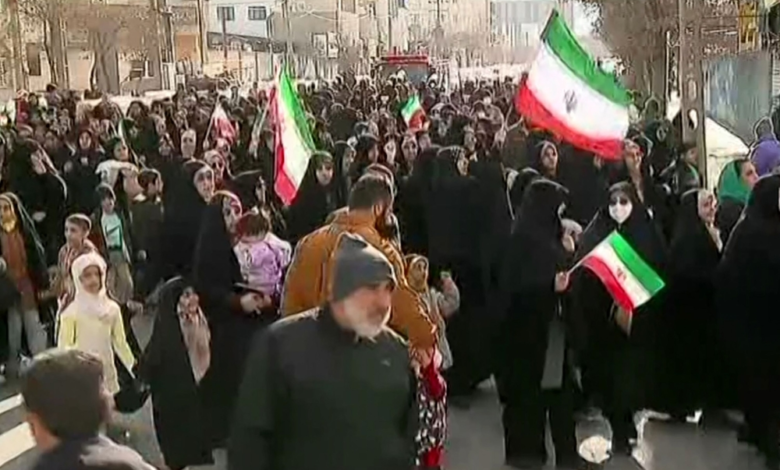

In a new escalation of tensions in the Middle East, the Islamic Republic of Iran a strongly worded warning to the United States, asserting that any military action targeting it would be met with an immediate and direct response that would affect Washington's allies and interests in the region.
Direct warning from Tehran
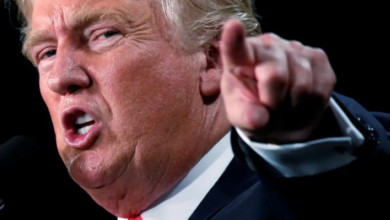
Iranian Parliament Speaker Mohammad Bagher Ghalibaf declared in a speech to the assembly that Tehran would not stand idly by in the face of any threat, warning President Donald Trump that any US attack would make Israel and US military bases in the region "legitimate targets" for Iranian missiles. This statement comes at a time of unprecedented tension between the two countries, amid international fears of a slide into open military confrontation.
Israeli mobilization and regional concerns
On the other hand, informed sources reported that Israel has raised its alert level to the highest degree, anticipating any potential scenarios that might include American intervention to support the popular movement in Iran, and the subsequent retaliatory reactions from Tehran. Security circles in Tel Aviv view the Iranian threats with grave concern, especially given Iran's possession of a missile arsenal capable of reaching deep into Israel and American bases deployed in the Gulf states and Iraq.
Internal escalation and calls to seize control of cities
Alongside external threats, Iranian authorities are facing a growing internal challenge. Popular protests have entered their fourteenth day, a movement sparked by deteriorating living conditions and the economy. In a significant development, Reza Pahlavi , the son of the deposed Shah and currently residing in the United States, called on protesters to escalate their movement.
Pahlavi stated in a post on the X platform: "Our goal is no longer just to control the streets; the goal is to prepare to seize and control city centers." He urged Iranians to take to the streets en masse, hinting at his imminent return to the country, reflecting the desire of the opposition abroad to capitalize on popular anger to bring about radical political change.
Historical context and strategic importance
These developments are particularly significant given the historical context of the conflict. Iran is living under the weight of harsh economic sanctions that have directly impacted the lives of its citizens, which explains the continued protests. Historically, Tehran has consistently used the threat of striking American and Israeli interests as a deterrent strategy to prevent any foreign military intervention aimed at regime change.
Observers believe that the combination of internal pressure in the form of protests and external pressure in the form of threats of military force puts the region at a dangerous crossroads, where any miscalculation by any party could ignite a large-scale regional war that would affect energy supplies and the global economy.