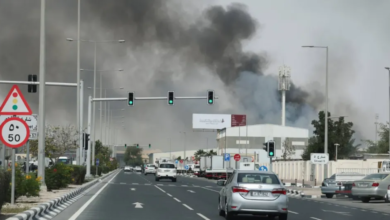
The Arabian Gulf region is experiencing heightened anticipation and anxiety amid escalating geopolitical tensions, fueled by persistent reports and concerns regarding energy security and the safety of vital oil installations. These concerns stem from repeated accusations against Iran or its proxies in the region of threatening energy infrastructure in the Gulf Cooperation Council (GCC) countries, particularly the United Arab Emirates, as well as threats to maritime shipping lanes in the Gulf of Oman.
Context of tensions and historical background
The security incidents targeting the Gulf's energy sector are not a recent phenomenon, but rather part of a long-standing series of regional tensions. In recent years, oil facilities in Abu Dhabi have been attacked by drones and ballistic missiles claimed by the Houthi group, which is internationally recognized as being backed by Tehran. These attacks targeted not only physical infrastructure but also served as political messages aimed at destabilizing the region.
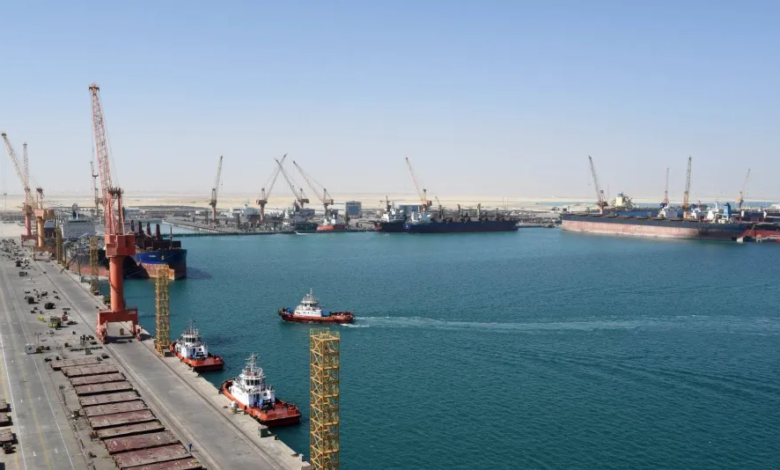
With regard to the Sultanate of Oman, threats are often concentrated in the maritime area adjacent to its coasts. The Gulf of Oman and the Arabian Sea have witnessed a series of incidents targeting oil tankers and commercial vessels, ranging from ship seizures to attacks using sea mines or drones. Although the Sultanate generally maintains a policy of diplomatic neutrality, its territorial and economic waters lie at the heart of this geopolitical storm, making the security of navigation within them an integral part of global energy security.
Strategic importance and impact of events
These developments are of paramount importance given the sensitive geographical location. The Strait of Hormuz, through which nearly a fifth of the world's oil supply passes, lies between Iran and Oman. Any threat to this waterway or to the oil installations in the countries bordering it would have a direct and immediate impact on global energy markets.
Economically, these tensions lead to higher insurance premiums for commercial vessels, increasing shipping costs and consequently impacting global crude oil prices. Politically, the persistence of these threats is pushing regional states to strengthen their security and defense alliances, increase military spending to protect their national assets, and call for a significant international naval presence to guarantee freedom of navigation.
In conclusion, the issue of energy security in the Gulf is not just a regional concern, but a distinctly international one. International calls continue for de-escalation, ensuring the safety of vital infrastructure in the UAE, and securing waterways off the coast of Oman to guarantee the stability of the global economy.