
Introduction: The Shift Towards a War of Attrition
The Middle East is witnessing radical shifts in the nature of the ongoing conflict between Iran on one side, and the United States and Israel on the other. This complex confrontation has entered a new phase known as a “war of attrition.” The conflict is no longer limited to direct threats or conventional confrontations, but has transformed into a series of tactical strikes and continuous skirmishes aimed at weakening the adversary over time without escalating into a full-blown and costly regional war for all parties.
The historical context of the shadow war
To understand this phase accurately, one must consider the historical context of this protracted conflict. Over the past decades, Israel and Iran have waged what is known in the media as a “shadow war,” which has included reciprocal cyberattacks, attacks on commercial vessels in territorial and international waters, and targeted assassinations of prominent Iranian scientific and military figures. The United States has played a pivotal role in this scenario, particularly after its unilateral withdrawal from the Iran nuclear deal in 2018 and the reimposition of harsh economic sanctions on Tehran, which exacerbated tensions and prompted Iran to accelerate its nuclear program and expand its regional influence.
The role of agents in the attrition strategy
The current strategy of attrition relies heavily on the use of regional proxies. Iran supports and directs a vast network of armed groups in the region, including Hezbollah in Lebanon, the Houthis in Yemen, and various armed factions in Iraq and Syria. These groups launch continuous and deliberate attacks against American and Israeli interests, forcing Washington and Tel Aviv to expend significant military and financial resources on ongoing defensive operations, such as intercepting ballistic missiles and drones in the Red Sea and northern Israel, which consumes enormous defense budgets.
Economic and international repercussions
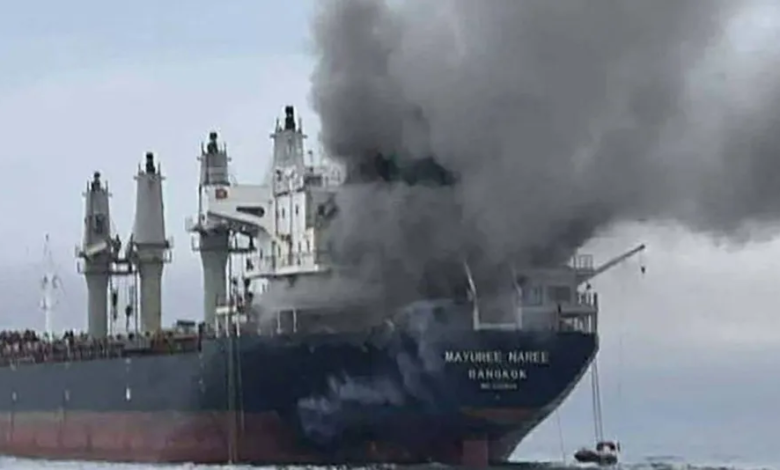
This war of attrition has serious and profound repercussions at both the regional and international levels. Regionally, the Middle East suffers from chronic instability that negatively impacts economic development plans, hinders foreign investment, and exacerbates the suffering of its people. Internationally, the continued tensions, particularly in strategic waterways such as the Strait of Hormuz and the Red Sea, threaten the security of global maritime navigation and trade supply chains. This threat directly impacts shipping costs and global energy and oil prices. Moreover, this conflict diverts the United States' attention from other global geopolitical challenges and opens the door for major international powers such as Russia and China to strengthen their diplomatic and economic influence in the region.
Conclusion and the future of the conflict
In conclusion, a war of attrition between Iran, the United States, and Israel appears poised to define the political and military landscape in the coming period. With no clear prospect for a comprehensive diplomatic solution at present, the region remains open to all possibilities. Each side seeks to achieve long-term strategic gains while avoiding the catastrophic losses of open warfare, leaving the Middle East on a knife's edge for an indefinite period, awaiting international settlements or shifts in the balance of power.