Araghchi: Washington must stop the threats for negotiations with Tehran to succeed

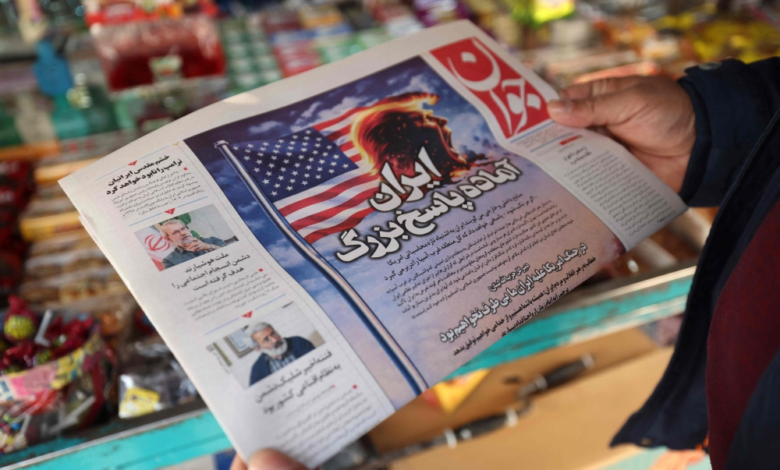
Iranian Foreign Minister Abbas Araqchi asserted on Wednesday that the United States must abandon its threatening rhetoric if it truly desires to engage in genuine and productive negotiations with Tehran. These remarks came as a direct and firm response to recent hints by US President Donald Trump, who suggested the possibility of military intervention in response to the Iranian authorities' handling of internal protests.
Araghchi told Iranian state television, "If they want the negotiations to bear fruit, they must stop the threats and excessive demands." This stance reflects a consistent position in Iranian foreign policy, which rejects what it calls "negotiations under fire" or yielding to Washington's maximum pressure campaign.
The context of escalating tensions between Tehran and Washington
Araghchi's statements cannot be separated from the historically and politically charged context between the two countries. Since the United States' unilateral withdrawal from the nuclear agreement (the Joint Comprehensive Plan of Action), tensions have escalated to unprecedented levels. Tehran considers the harsh economic sanctions and military threats to be major obstacles to any diplomatic solution, emphasizing the necessity of returning to international commitments as a prerequisite for any dialogue.
The Iranian leadership views the American statements supporting the protests, accompanied by military threats, as blatant interference in internal affairs and an attempt to destabilize the regime, further complicating the political landscape and closing the doors to back channels of diplomacy that might seek to calm the situation.
The importance of the event and its regional impact
These statements are highly significant given Iran's geopolitical position and its influence on Middle Eastern affairs. Tehran's demand for a "cessation of threats" puts the ball in the US administration's court and indicates that Iran, despite economic and internal pressures, remains steadfast in its refusal to make unilateral concessions.
Regionally, the international community and neighboring countries are watching these tensions with concern, as any military escalation or complete collapse of negotiation opportunities could have serious repercussions for energy security and navigation in the Arabian Gulf, as well as its direct impact on the hot issues in the region.
In conclusion, the Iranian message seems clear: the road to the negotiating table passes through mutual respect and an end to the policy of intimidation, which puts the American administration before two options: either to continue the escalation with all the risks that entails, or to change the approach to open a breach in the wall of the ongoing crisis.