
تطورات جديدة في مسار مفاوضات إيران وأمريكا
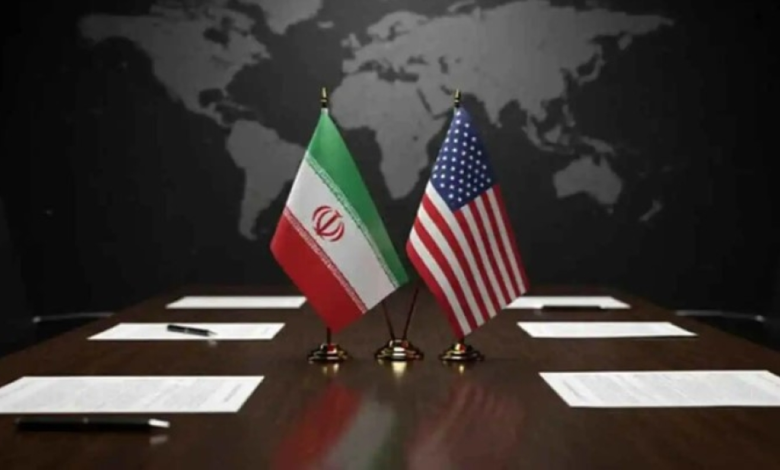
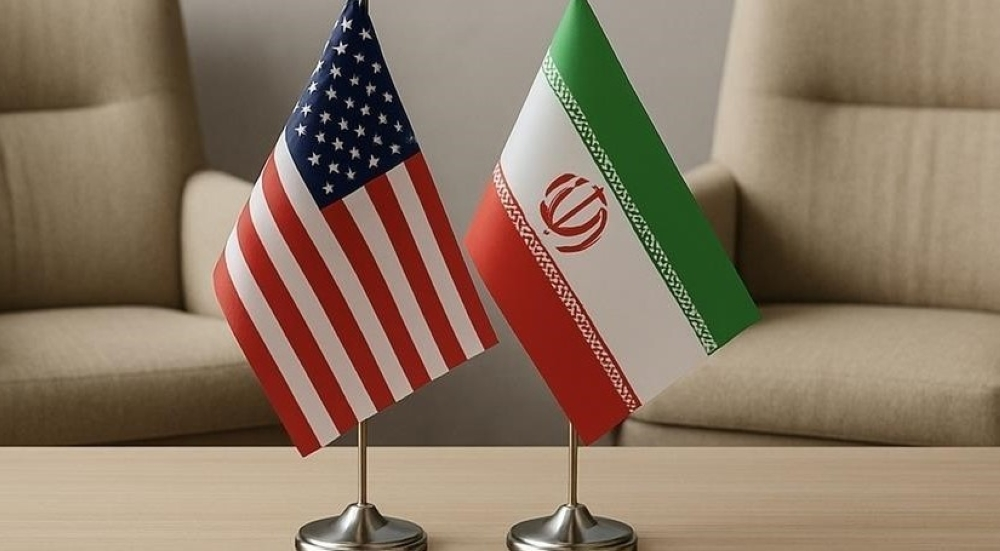
أعلنت الجمهورية الإسلامية الإيرانية، في خطوة دبلوماسية لافتة، أنها تعكف حالياً على دراسة مقترحات أمريكية “جديدة” تلقتها عبر القنوات الدبلوماسية الباكستانية. وتأتي هذه التطورات في إطار جهود الوساطة المكثفة التي تقودها إسلام آباد بين طهران وواشنطن، بهدف التوصل إلى حلول جذرية ووضع حد نهائي للتوترات المتصاعدة والحروب الدائرة في منطقة الشرق الأوسط.
كواليس الوساطة الباكستانية
وفي تفاصيل الحدث، أصدرت الأمانة العامة للمجلس الأعلى للأمن القومي الإيراني بياناً رسمياً، نقلته وكالة الأنباء الإيرانية الرسمية (إرنا)، أوضحت فيه كواليس هذه الوساطة. وأكد البيان أنه خلال الأيام القليلة الماضية، وفي إطار زيارة رسمية قام بها قائد الجيش الباكستاني، الجنرال عاصم منير، إلى العاصمة طهران بصفته وسيطاً في المفاوضات، تم تقديم حزمة من المقترحات الجديدة من قبل الإدارة الأمريكية. وأشار البيان إلى أن القيادة الإيرانية تنظر في هذه المقترحات بجدية في الوقت الراهن، ولم تصدر أي رد رسمي حيالها حتى الآن.
السياق التاريخي للعلاقات غير المباشرة
تاريخياً، لم تكن العلاقات بين الولايات المتحدة وإيران مباشرة منذ انقطاع العلاقات الدبلوماسية إبان الثورة الإسلامية عام 1979. ومنذ ذلك الحين، اعتمد البلدان على وسطاء دوليين وإقليميين لتمرير الرسائل، مثل سويسرا التي ترعى المصالح الأمريكية في طهران، بالإضافة إلى سلطنة عمان وقطر. وتأتي الوساطة الباكستانية اليوم لتضيف بعداً إقليمياً مهماً، خاصة وأن باكستان تشترك في حدود برية طويلة مع إيران، وتتمتع بعلاقات استراتيجية مع الولايات المتحدة. وتتأثر مفاوضات إيران وأمريكا بتراكمات تاريخية أبرزها الانسحاب الأمريكي من الاتفاق النووي عام 2018، والذي أعقبه فرض عقوبات اقتصادية قاسية على طهران.
أهمية الحدث وتأثيره الإقليمي والدولي
تكتسب هذه المقترحات أهمية بالغة في ظل الظروف الجيوسياسية المعقدة التي يمر بها الشرق الأوسط. فعلى الصعيد الإقليمي، تسعى الأطراف الدولية إلى منع توسع دائرة الصراع، خاصة مع استمرار التوترات التي تؤثر بشكل مباشر على حركة الملاحة الدولية في الممرات المائية الحساسة مثل مضيق هرمز. أما على الصعيد الدولي، فإن نجاح هذه المفاوضات قد يؤدي إلى استقرار أسواق الطاقة العالمية وتخفيف حدة الاستقطاب الدولي.
الحذر الدبلوماسي وتجنب التصعيد
وفي سياق متصل، صرح المسؤول الإيراني سعيد خطيب زاده، على هامش مشاركته في منتدى أنطاليا الدبلوماسي، بأنه لم يتم حتى اللحظة تحديد موعد دقيق لانعقاد الجولة المقبلة من المفاوضات بين الجانبين، وذلك في أعقاب تعثر الجولة الأولى. وأكد خطيب زاده للصحفيين التزام طهران بالحذر، قائلاً: “لا يمكننا تحديد موعد ما دمنا لم نتفق على إطار العمل الأساسي”.
وأضاف مشدداً على الموقف الإيراني: “نأمل الانتقال إلى الخطوة التالية بمجرد إتمام ذلك الإطار. نحن نركز الآن على وضع اللمسات الأخيرة على إطار التفاهم بين الجانبين، إذ لا نرغب في الانخراط في أي مفاوضات أو اجتماعات تؤول إلى فشل جديد، والذي يمكن أن يُتخذ كذريعة لجولة أخرى من التصعيد العسكري أو السياسي في المنطقة”.