
إيران ترفض المساومة في المباحثات مع الولايات المتحدة وتصعد لهجتها العسكرية
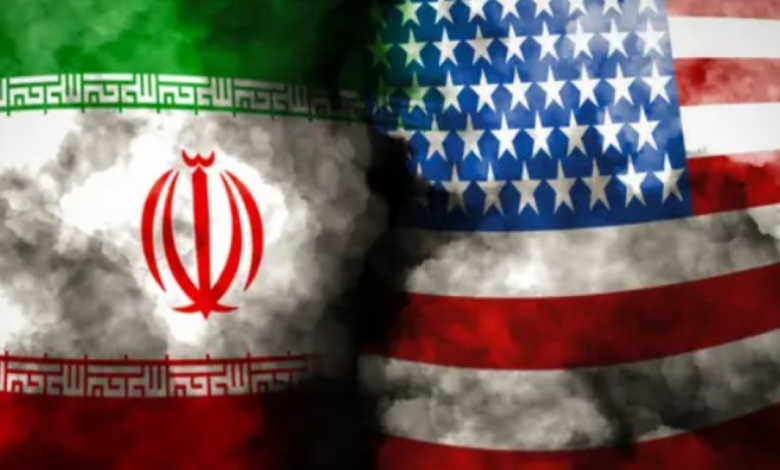
في ظل تصاعد التوترات الجيوسياسية في منطقة الشرق الأوسط، أكدت الجمهورية الإسلامية الإيرانية، يوم السبت، موقفها الصارم والمبدئي برفض أي شكل من أشكال المساومة أو التراجع في المباحثات غير المباشرة مع الولايات المتحدة الأمريكية. وتأتي هذه المباحثات، التي تلعب فيها باكستان دور الوسيط الإقليمي، في محاولة حثيثة لوضع حد نهائي وشامل لحالة عدم الاستقرار والحروب الدائرة في الشرق الأوسط.
موقف إيراني حازم في مفاوضات أمريكا وإيران
أصدرت الأمانة العامة للمجلس الأعلى للأمن القومي الإيراني بياناً رسمياً، نقلته وكالة الأنباء الإيرانية الرسمية (إرنا)، وجهت فيه رسالة واضحة للداخل والخارج. وجاء في البيان: “نعلن للأمة، للمحاربين في الميدان والشعب الحاضر في الشوارع، أن الفريق المفاوض الإيراني لن يقوم بأي مساومة ولن يتراجع ولن يتساهل في أي شيء، وسيدافع بكل قواه عن مصالح الأمة الإيرانية”. يعكس هذا التصريح استراتيجية طهران التقليدية في التفاوض، والتي تعتمد على التمسك بالخطوط الحمراء الوطنية، خاصة فيما يتعلق بنفوذها الإقليمي.
السياق التاريخي للعلاقات الأمريكية الإيرانية
لفهم طبيعة هذا الموقف الإيراني، يجب النظر إلى الخلفية التاريخية المعقدة بين واشنطن وطهران. منذ عقود، تتسم العلاقات بالعداء المتبادل وانعدام الثقة، والذي بلغ ذروته مع انسحاب الولايات المتحدة أحادي الجانب من الاتفاق النووي في عام 2018، وإعادة فرض عقوبات اقتصادية قاسية ضمن حملة الضغوط القصوى. هذا التاريخ الطويل من العقوبات والتوترات جعل صانع القرار الإيراني أكثر حذراً وتشدداً في أي مفاوضات أمريكا وإيران جديدة، مفضلاً الاعتماد على تعزيز القدرات العسكرية والتحالفات الإقليمية كأوراق ضغط استراتيجية.
تصعيد بحري في مضيق هرمز الاستراتيجي
على الصعيد العسكري والميداني، لم تقتصر الرسائل الإيرانية على الدبلوماسية، بل امتدت لتشمل تلويحاً بالقوة العسكرية. فقد حذر بيان نُسب إلى المرشد الأعلى الإيراني الجديد، مجتبى خامنئي، يوم السبت، من أن القوة البحرية الإيرانية تقف على أهبة الاستعداد التام لإلحاق الهزيمة بالقوات الأمريكية المتواجدة في المنطقة. وجاء في البيان الذي نُشر عبر تطبيق تليغرام: “إن قوات البحرية الشجاعة على أهبة الاستعداد لتُذيق الأعداء مرارة هزائم جديدة”.
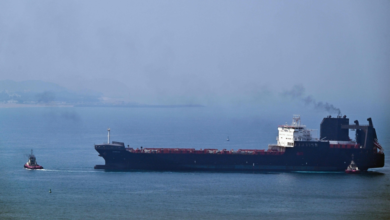
تكتسب هذه التهديدات أهمية بالغة نظراً لموقعها الجغرافي؛ فمضيق هرمز يُعد أحد أهم الممرات المائية الاستراتيجية في العالم، حيث يمر عبره نحو خُمس إنتاج النفط العالمي المستهلك يومياً. أي تصعيد عسكري أو إغلاق للمضيق لن يقتصر تأثيره على الدول المشاطئة للخليج العربي فحسب، بل سيؤدي إلى صدمة هائلة في أسواق الطاقة العالمية، مما يرفع أسعار النفط ويهدد الاقتصاد العالمي بأسره.
التأثير المتوقع إقليمياً ودولياً
إن التصلب في الموقف الإيراني خلال المباحثات مع الولايات المتحدة، مقترناً بالتهديدات العسكرية في مياه الخليج، يلقي بظلاله الثقيلة على المشهد الإقليمي والدولي. على المستوى المحلي، تسعى القيادة الإيرانية إلى توحيد الجبهة الداخلية وطمأنة قاعدتها الشعبية بأنها لن تتنازل عن سيادة البلاد. أما إقليمياً، فإن دول الجوار تراقب الوضع بقلق بالغ، حيث أن أي احتكاك عسكري مباشر بين واشنطن وطهران قد يشعل أزمة واسعة النطاق.
دولياً، تضع هذه التطورات الإدارة الأمريكية وحلفاءها الغربيين أمام تحدٍ كبير؛ فمن جهة يسعون لاحتواء النفوذ الإيراني ومنع التصعيد العسكري، ومن جهة أخرى يحاولون الحفاظ على أمن الملاحة البحرية وتدفق إمدادات الطاقة. ويبقى التساؤل حول مدى نجاح الوساطة الباكستانية في إيجاد أرضية مشتركة تمنع انزلاق المنطقة نحو مواجهات مفتوحة.