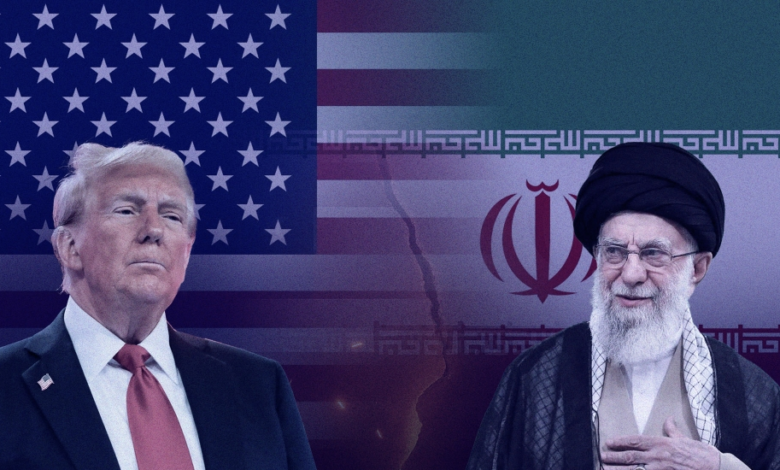

أعربت الجمهورية الإسلامية الإيرانية عن تفاؤل حذر قبيل انطلاق الجولة الثانية من المباحثات النووية في جنيف، حيث وصف المتحدث باسم وزارة الخارجية الإيرانية، إسماعيل بقائي، الموقف الأمريكي تجاه الملف النووي الإيراني بأنه أصبح "أكثر واقعية". يأتي هذا التصريح عشية اجتماعات حاسمة تجمع وفدي البلدين بشكل غير مباشر، في محاولة لكسر الجمود الذي أصاب المسار الدبلوماسي لفترات طويلة.
سياق المباحثات: بين الدبلوماسية والضغط العسكري
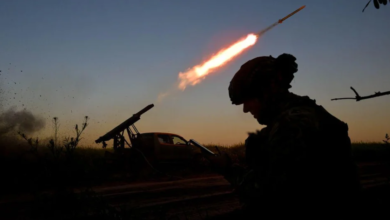
تأتي هذه الجولة الجديدة من المفاوضات استكمالاً للمباحثات التي عقدت مطلع فبراير في العاصمة العمانية مسقط، والتي لطالما لعبت دور الوسيط الموثوق بين طهران وواشنطن. وتكتسب مباحثات جنيف أهمية خاصة كونها تعقد في توقيت بالغ الحساسية، حيث تتزامن مع تصعيد عسكري ملحوظ في المنطقة. فقد أطلقت قوات الحرس الثوري الإيراني مناورات عسكرية في مضيق هرمز الاستراتيجي، الذي يعد شرياناً حيوياً لإمدادات النفط العالمية، وذلك رداً على التعزيزات العسكرية الأمريكية التي شملت نشر حاملات طائرات في مياه المنطقة، مما يعكس استراتيجية "التفاوض تحت النار" التي يمارسها الطرفان.
الخلفية التاريخية والتعقيدات التقنية
لا يمكن فصل المباحثات الحالية عن السياق التاريخي للاتفاق النووي لعام 2015 (خطة العمل الشاملة المشتركة)، الذي انسحبت منه الولايات المتحدة عام 2018. ومنذ ذلك الحين، تسعى طهران لرفع العقوبات الاقتصادية الخانقة مقابل العودة للامتثال الكامل لبنود الاتفاق. وفي هذا الإطار، شدد الجانب الإيراني على حقوقه غير القابلة للتصرف بموجب معاهدة حظر انتشار الأسلحة النووية، مؤكداً على الطابع السلمي لبرنامجه، بما في ذلك عمليات تخصيب اليورانيوم التي تثير قلق الغرب.
أجندة المباحثات والدور الدولي
وصل وزير الخارجية الإيراني، عباس عراقجي، إلى جنيف لقيادة الوفد الإيراني، حيث استهل زيارته بلقاء تقني معمق مع المدير العام للوكالة الدولية للطاقة الذرية، رافائيل غروسي. وتهدف هذه اللقاءات إلى حل الخلافات التقنية العالقة بشأن مراقبة المنشآت النووية، وهي خطوة ضرورية لبناء الثقة قبل الخوض في الشق السياسي مع الولايات المتحدة.
وفي حين تصر طهران على حصر النقاش في الملف النووي ورفع العقوبات، يضغط المسؤولون الأمريكيون والأوروبيون لتوسيع دائرة الاتفاق ليشمل برنامج الصواريخ الباليستية الإيراني ونفوذ طهران الإقليمي، وهو ما ترفضه إيران باعتباره مساساً بقدراتها الدفاعية السيادية. وتترقب الأوساط الدولية نتائج هذه الجولة، حيث أن أي تقدم في جنيف قد يسهم في خفض حدة التوتر في الشرق الأوسط وتجنيب المنطقة سيناريوهات التصعيد العسكري المفتوح.