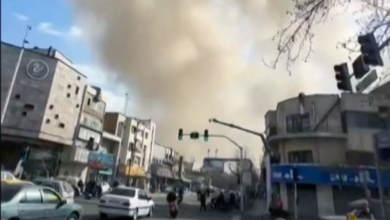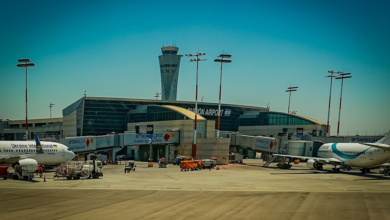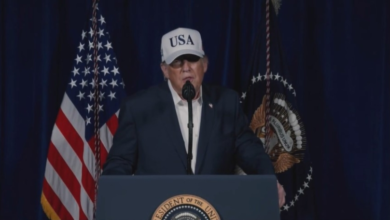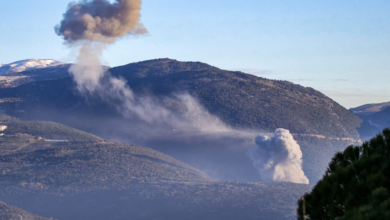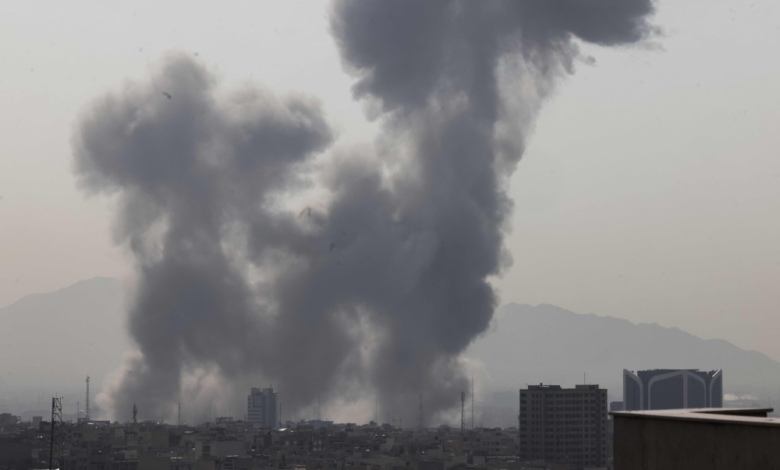
In a significant development in the Middle East, the Islamic Republic of Iran officially announced its intention to respond firmly and forcefully to the military strikes launched by the United States and Israel against its territory. This announcement signals a new phase of escalation, despite ongoing discussions about diplomatic channels and negotiations between Tehran and Washington.
Iranian Foreign Ministry statement: Readiness to defend
The Iranian Foreign Ministry issued a strongly worded statement asserting that the Iranian armed forces would not hesitate to respond to what it described as "aggression." The statement read: "The armed forces of the Islamic Republic of Iran will respond decisively to the aggressors." The ministry explained that Tehran had previously exercised maximum restraint and done "everything necessary to avoid war," but that the recent attacks necessitated a change in its strategy.
The statement added a crucial point regarding timing and readiness, noting that "just as we were ready for negotiations, we are now more ready than ever to defend the Iranian people," reflecting a dual message to the West that the military option does not negate the diplomatic option, but it does impose new rules of engagement.
Context of the conflict and historical background
This escalation cannot be separated from the historical context of strained relations between Iran on one side, and the United States and Israel on the other. The region has long witnessed what is known as a "shadow war," characterized by cyberattacks, targeting of ships, and airstrikes against each other's spheres of influence. However, the shift of these attacks into Iranian territory—as the news report indicates—represents a dangerous escalation that breaks with the traditional rules of engagement that have prevailed for years, and moves the confrontation from regional proxies to direct conflict.
Expected regional and international repercussions
This Iranian threat carries far-reaching implications for the stability of the Middle East. Geopolitically, any large-scale Iranian response could drag the region into a cycle of reciprocal violence, threatening the security of vital waterways and global energy supplies. Internationally, this escalation jeopardizes nuclear and security negotiations with Washington, as history shows that military escalation is often used as leverage to strengthen negotiating positions, but it also carries the risk of sliding into a full-blown war that no party desires.
In conclusion, the international community is watching closely to see the nature of the Iranian response, and whether it will be a direct military response or through other strategic moves, while the region remains on edge awaiting what the coming days will bring.