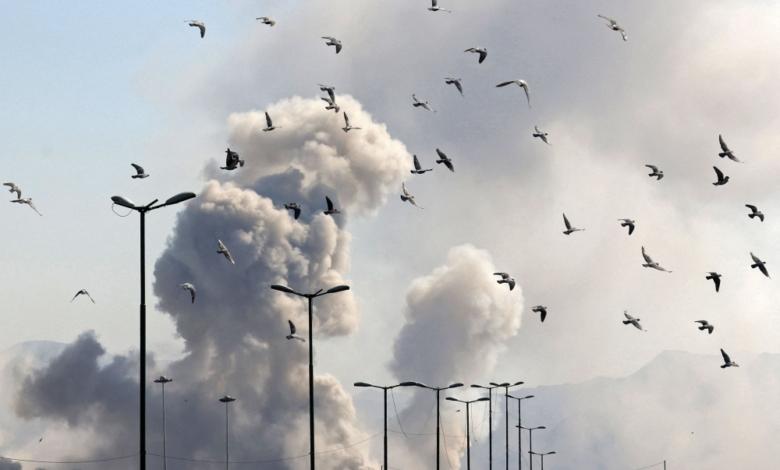

The official news agency of the Islamic Republic of Iran (IRNA) announced a significant increase in the death toll inside Iran, reaching 1,230 since the start of what Iranian sources described as the "American-Israeli war" on the country. These new figures indicate an escalation in the pace of events on the ground and a worsening humanitarian situation in the targeted areas.
Details of the new statistics
According to a statement issued by the Martyrs and Veterans Foundation and carried by the official news agency, the updated death toll as of March 5th stands at 1,230. This announcement comes shortly after a previous count of 1,045 deaths, meaning approximately 185 new fatalities in a short period. The statement clarified that the victims include both civilians and military personnel, reflecting the widespread and indiscriminate nature of the attacks, which have targeted both populated areas and military sites.
Context of regional and international tension
These bloody developments cannot be separated from the complex historical and geopolitical context governing the relationship between Tehran on one side, and Washington and Tel Aviv on the other. While the region has witnessed decades of simmering tensions and proxy wars, the shift to direct confrontations and the resulting high number of casualties represent a dangerous turning point in the Middle East conflict. These events are an extension of a series of disputes surrounding the Iranian nuclear program, regional influence, and military maneuvers in the Gulf waters and strategic straits.
Potential repercussions and international concerns
The announcement of these high death tolls raises serious concerns within the international community and among neighboring countries. Strategically, a continued rise in casualties could provoke more intense military responses, threatening the stability of global energy supplies and the security of navigation in vital waterways. This escalation also poses significant challenges to diplomatic efforts, including Gulf-European agreements aimed at de-escalation and preventing nuclear proliferation.
Analyses indicate that the continuation of military operations at this pace could drag the entire region into a spiral of reciprocal violence, amid international calls for restraint and attempts to find diplomatic solutions to the current crisis before it spirals completely out of control.