
مقدمة: تصعيد خطير في الداخل الإيراني
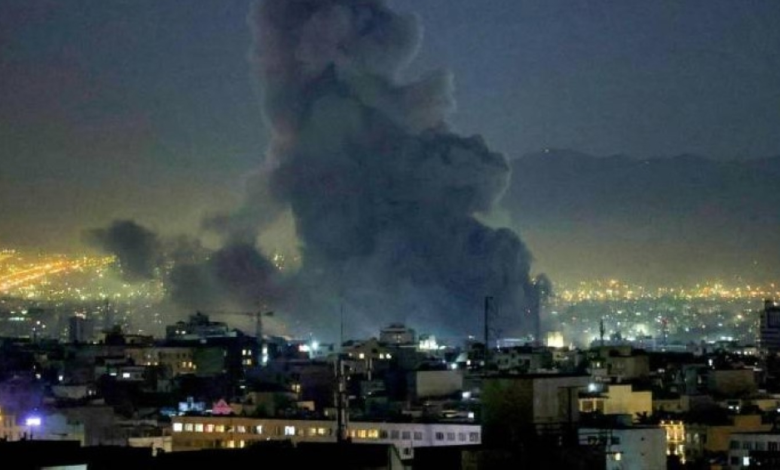
في تطور دراماتيكي يعكس تصاعد حدة التوترات العسكرية في منطقة الشرق الأوسط، شهدت الساحة الإيرانية سلسلة من الأحداث الأمنية المتسارعة. فقد تعرض جسر رئيسي وحيوي يربط بين العاصمة الإيرانية طهران ومدينة كرج الواقعة إلى الغرب منها، لغارات جوية مكثفة. ووفقاً للتقارير الأولية، فإن هذه الضربات التي وُصفت بأنها إسرائيلية-أمريكية، نُفذت على مرحلتين خلال يوم الخميس، مما أدى إلى سقوط ضحايا وتصاعد المخاوف من انزلاق المنطقة نحو مواجهة شاملة.
تفاصيل الهجوم المزدوج على جسر طهران – كرج
أفاد التلفزيون الرسمي الإيراني أن الغارات الجوية أسفرت عن مقتل شخصين على الأقل في حصيلة أولية. وما زاد من خطورة هذا الهجوم هو التكتيك المستخدم؛ حيث وقع الهجوم الجديد (المرحلة الثانية) في وقت كانت فيه فرق الإنقاذ والإسعاف تعمل في الموقع لتقديم المساعدة للضحايا جراء الضربة الأولى. هذا التكتيك يعقد من عمليات الإغاثة ويزيد من احتمالية ارتفاع الخسائر البشرية.
استهداف البنية التحتية: حريق قرب مطار مشهد
لم تقتصر التطورات الميدانية على العاصمة ومحيطها، بل امتدت لتشمل مناطق أخرى. ففي وقت سابق من يوم الخميس، اندلع حريق ضخم بالقرب من مطار مشهد الدولي في شمال شرق إيران. وأشارت وسائل الإعلام إلى أن الحريق نجم عن إصابة خزان وقود بمقذوف. ونقلت وكالة أنباء “مهر” عن مكتب محافظ خراسان رضوي تأكيده عدم ورود أنباء عن وقوع إصابات، مشيراً إلى أن عمليات إخماد الحريق جارية للسيطرة على الموقف.
السياق العام والخلفية التاريخية للحدث
تأتي هذه الضربات في سياق “حرب الظل” المستمرة منذ سنوات بين إيران من جهة، وإسرائيل والولايات المتحدة من جهة أخرى. تاريخياً، شمل هذا الصراع هجمات سيبرانية، واستهدافاً متبادلاً للمصالح في الممرات المائية، وضربات ضد وكلاء إيران في المنطقة. ومع ذلك، فإن توجيه ضربات عسكرية مباشرة لعمق الأراضي الإيرانية واستهداف بنية تحتية مدنية كالج Bridges، يمثل تحولاً نوعياً وتصعيداً غير مسبوق في قواعد الاشتباك. وتجدر الإشارة إلى أن مدينة كرج تحمل أهمية استراتيجية كبرى، فهي تضم منشآت صناعية وعسكرية ونووية حساسة تعرضت في الماضي لمحاولات تخريب.
أهمية الحدث وتأثيره المتوقع
على المستوى المحلي: سيؤدي تدمير أو تضرر جسر حيوي يربط طهران بكرج إلى أزمة في حركة المرور والتجارة، حيث يتنقل مئات الآلاف يومياً بين المدينتين. كما يترك هذا الاستهداف أثراً نفسياً عميقاً لدى الشارع الإيراني، حيث ينقل المعركة مباشرة إلى الداخل.
على المستوى الإقليمي: يُنذر هذا التصعيد بردود فعل انتقامية محتملة من قبل طهران أو عبر الفصائل الموالية لها في المنطقة (في العراق، سوريا، لبنان، واليمن)، مما قد يؤدي إلى اشتعال جبهات متعددة ويهدد استقرار دول الجوار.
على المستوى الدولي: تثير هذه التطورات قلقاً بالغاً لدى المجتمع الدولي، خاصة فيما يتعلق بأمن إمدادات الطاقة. أي تصعيد عسكري واسع في المنطقة قد يؤدي إلى تقلبات حادة في أسعار النفط، مما يلقي بظلاله السلبية على الاقتصاد العالمي، ويدفع القوى الكبرى لإعادة تقييم تحالفاتها ومساعيها الدبلوماسية لاحتواء الأزمة.