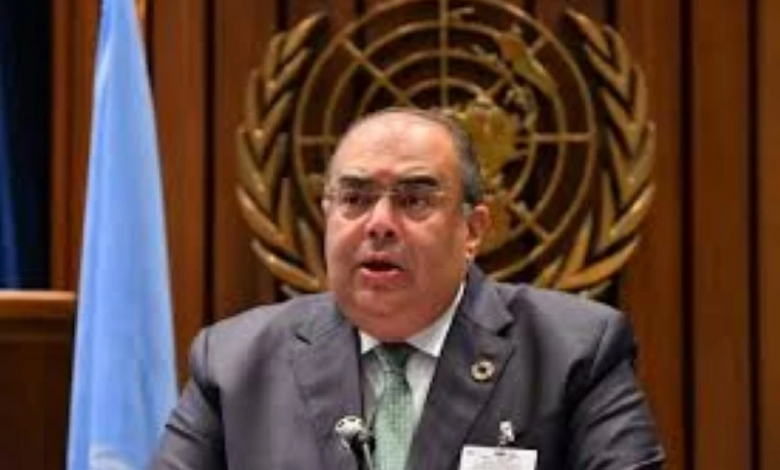

Dr. Mahmoud Mohieldin, the UN Special Envoy on Financing for Development, warned that the uncertainty and ambiguity surrounding the current geopolitical landscape, particularly regarding the scope and objectives of a potential war with Iran, constitute the most significant source of pressure and concern in global markets. He emphasized that the repercussions of this conflict are no longer confined to the traditional energy sector but now threaten vital components of the global economy.
Open-ended scenarios and market anxiety
Speaking to Al Arabiya Business, Mohi El-Din explained that financial markets abhor the unknown even more than bad news itself. He pointed out that anticipated economic scenarios depend entirely on the timeframe of the conflict: Are we facing a limited confrontation lasting days, a war that will last for weeks, or a protracted conflict that will drain resources? This question puts investors and economic decision-makers on tenterhooks, which typically leads to sharp fluctuations in stock markets and a rise in the prices of safe-haven assets.
Changing strategic goals
The UN envoy highlighted a crucial point that further complicates the situation: the shift in the narrative surrounding the war's objectives. While the focus had initially been on dismantling nuclear capabilities, the rhetoric has escalated to include regime change, or even regime change altogether. This shift in objectives necessarily implies a wider conflict and a longer duration, which disrupts international economic calculations that had previously based their plans on limited-scale tensions.
The Gulf economy: From oil to logistics hubs
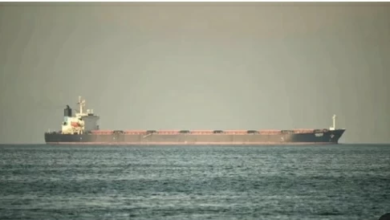
In a related context, Mohiuddin highlighted the radical transformation of the Gulf economies. He explained that the region is no longer merely a reservoir of oil and gas, but has, thanks to ambitious development plans, transformed into global logistics hubs and pivotal points for international travel and trade. Consequently, any security disruption threatens not only energy supplies but also global supply chains, the services sector, air traffic, and even the flow of key commodities and metals such as aluminum, gold, and silver.
Technology and data under fire
Muhyiddin added a new dimension to the potential impacts, pointing to the technology sector. With the growth of data centers and digital infrastructure in the region, current tensions could affect the services of major technology companies and their databases, reflecting the interconnectedness of the modern economy where cybersecurity and technology are linked to geopolitical stability.
Betting on the American factor
Muhyiddin concluded his remarks by pointing to the hopes pinned on the US administration, as markets still rely on US President Donald Trump’s ability to resolve matters and end the war or declare the achievement of its objectives, in an attempt to restore stability. However, this scenario remains shrouded in uncertainty at the moment.