
In a move reflecting the escalating tensions between the private sector and security authorities in Tehran, the CEO of Irancell, Iran's second-largest mobile operator, was abruptly dismissed. This punitive measure stemmed from his failure to fully and strictly comply with the authorities' directives to block internet access, according to Iran's Fars News Agency on Sunday.
The agency reported that Ali Reza Rafiei, who had been managing the company for about a year, was relieved of his duties due to what authorities described as “failure to adhere to the announced rules during crises,” a clear reference to delays in implementing orders to cut off communications for citizens. Irancell, founded in 2005, is a cornerstone of the country’s telecommunications infrastructure, serving nearly 70 million subscribers, making state control over it vital to Iran’s national security strategy.
Context of the protests and the digital blackout
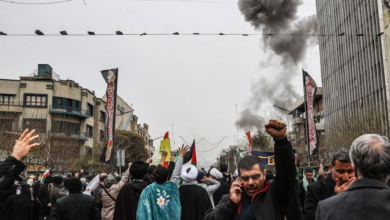
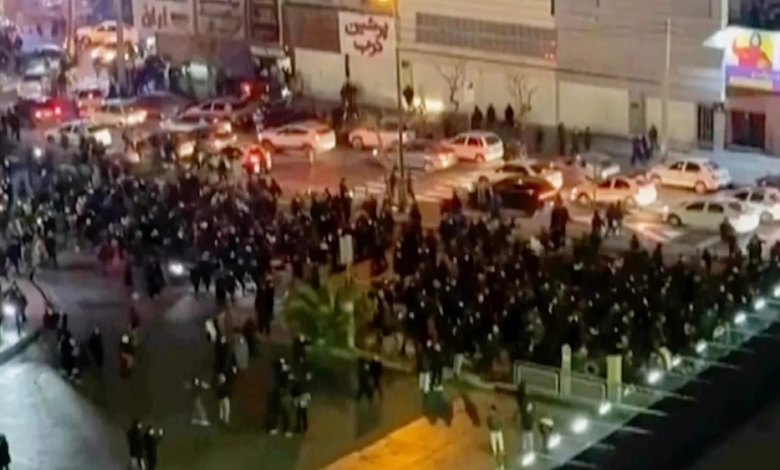
This decision comes amid exceptional circumstances for the Islamic Republic, which has witnessed a widespread wave of protests that erupted in late December. These popular movements began as a reaction to deteriorating living conditions, rising prices, and increasing economic pressures, before expanding to include broader political and social demands.
To limit the protesters' ability to organize, document events, and disseminate information to the outside world, the authorities resorted to a "digital blackout" strategy, cutting off internet access on the night of January 8. This practice is a recurring pattern in Iran's security response to internal unrest, as the government seeks to control the flow of information through what is known as the "National Information Network," a tightly controlled domestic internet network.
The repercussions and impact of the decision
The dismissal of a high-ranking official in the telecommunications sector sends a strong warning message to other companies and institutions in Iran about the need for complete compliance with security directives, even if they conflict with company interests or user rights. Observers believe this incident confirms the Revolutionary Guard and security apparatus's tight grip on the country's digital economy.
Economically, the frequent internet shutdowns are causing significant losses for startups, the banking sector, and businesses that rely on the internet, exacerbating the already dire economic crisis facing Iranian citizens. Internationally, Tehran faces ongoing criticism from human rights organizations and the United Nations, which consider the internet shutdowns a violation of human rights and freedom of expression.
In a later development, local media and state television reported that authorities had begun to gradually restore the internet, with a limited return of some services observed on Sunday, including access to the Google search engine via mobile phone lines and service providers, in an attempt to calm the street and restore some semblance of normalcy.