Enayati: The relationship with Saudi Arabia is secure and a strategic partnership

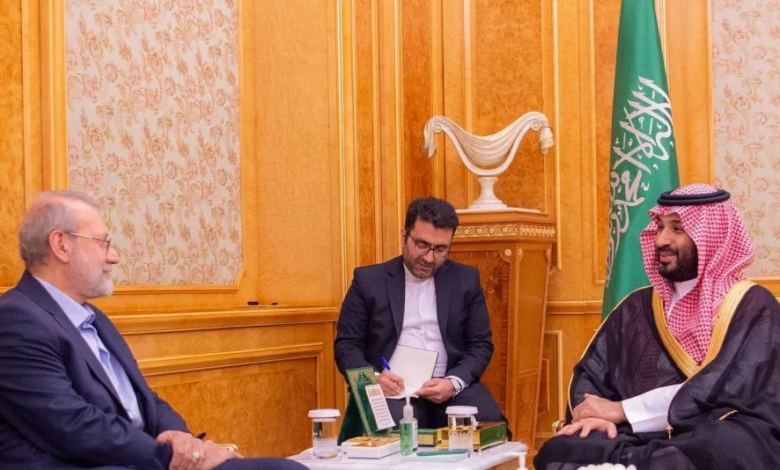
In an interview with the Asharq Al-Awsat newspaper, Iranian Ambassador to Saudi Arabia, Ali Reza Enayati, affirmed that the Kingdom is a pivotal partner for his country in the region. He described the current relationship between Riyadh and Tehran as "fortified" and strong, having moved beyond initial tests to a phase of sustained cooperation. This statement reflects the significant progress in diplomatic relations between the two regional powers and underscores the mutual desire to build solid bridges of trust that serve the interests of both nations.
Context of reconciliation and the historic agreement
These statements gain particular significance when viewed in the recent historical context. Saudi-Iranian relations underwent a radical transformation following the agreement brokered by China in Beijing in March 2013. This agreement ended a years-long diplomatic rift (since 2016), paving the way for the reopening of embassies and consulates in both countries, the exchange of ambassadors, and the reactivation of long-standing security and economic cooperation agreements. Enayati's remarks underscore that this agreement was not merely a temporary truce, but a strategic choice made by the leadership of both countries to ensure regional stability.
The importance of Saudi Arabia as a pivotal partner
The Iranian ambassador pointed out that describing Saudi Arabia as a "pivotal partner" stems from its political, economic, and religious weight in the Arab and Islamic worlds. The Kingdom, with its leadership of the G20 and its ambitious Vision 2030, represents an economic powerhouse that cannot be ignored. Observers believe that Tehran seeks to capitalize on this openness to strengthen its economic and trade cooperation with neighboring countries, especially in light of global economic challenges.
Expected regional and international impacts
Strengthening relations between Riyadh and Tehran will have a direct and positive impact on the region's pressing issues. This rapprochement is expected to contribute to enhanced maritime security in the Gulf, support de-escalation efforts in Yemen, and facilitate political dialogue in Lebanon and Syria. Internationally, this cooperation sends a message that the region's countries are capable of resolving their differences through constructive diplomatic dialogue, thus reducing tensions and international polarization in the Middle East. Furthermore, strengthening ties opens the door wide to joint investments and development projects that will benefit the entire region, transforming past rivalry into promising future integration.