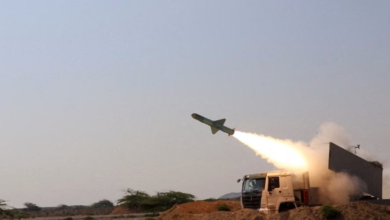

Amid escalating military and political tensions in the Gulf region, Iranian Army Commander Brigadier General Amir Hatami issued a strongly worded warning to both the United States and Israel on Saturday against launching any military attack on his country. Hatami emphasized that the Iranian armed forces are currently on high alert and fully prepared to respond to any threat, coinciding with the significant military reinforcements Washington has deployed to the Gulf and the wider region.
Warning messages and military readiness
The official Iranian news agency IRNA quoted Brigadier General Hatami as saying firmly, "If the enemy makes any miscalculation, it will undoubtedly endanger its own security directly, and not only that, but the security of the entire region and the Zionist entity." The senior military official emphasized that the Iranian armed forces currently possess "the highest levels of defensive and military readiness" to repel any potential aggression.
The American position and Trump's proposals
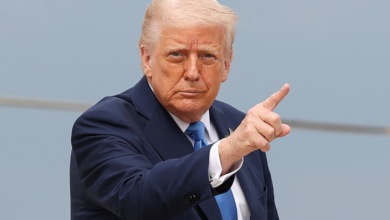
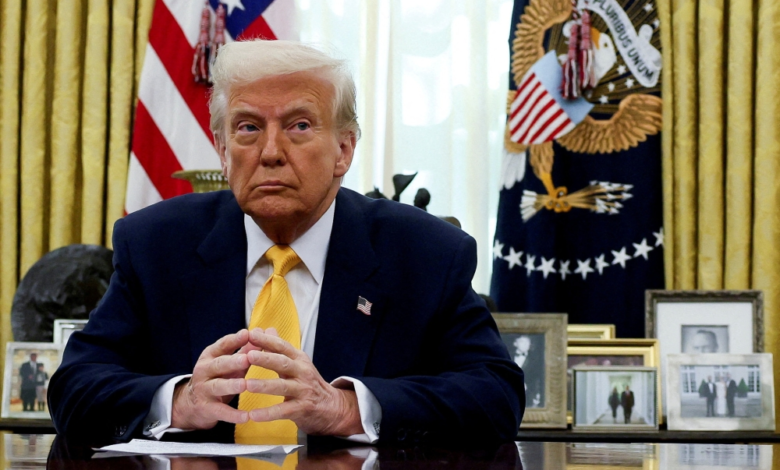
On the other hand, and in the context of the parallel psychological and diplomatic warfare, US President Donald Trump expressed his conviction on Friday that Tehran is seeking an agreement with Washington to avert a looming military strike. In remarks to reporters in the Oval Office, Trump indicated that he had given the Iranian leadership a deadline to respond to his proposals, without publicly disclosing its duration, saying, "Only Tehran knows this deadline.".
The US president added: "I can say that they want to make a deal... Let's hope we can. If it happens, all the better. If it doesn't, we'll see what happens," while warning that "time is running out" for Tehran.
Background to the conflict and withdrawal from the nuclear agreement
These rapid developments are part of an escalation that began with the United States' unilateral withdrawal from the 2015 nuclear agreement between Iran and world powers. This withdrawal was followed by the reimposition of harsh economic sanctions under the Trump administration's "maximum pressure" policy, aimed at crippling the Iranian economy and forcing Tehran to return to the negotiating table on American terms—a demand Iran rejects, insisting on its nuclear rights and the lifting of sanctions first.
Regional repercussions and international risks
The impact of this tension is not limited to Washington and Tehran; it casts a dark shadow over the regional and international landscape. The Gulf region is a vital artery for global energy, and any open military conflict could threaten the safety of navigation in the Strait of Hormuz, through which a large portion of the world's oil supply passes. Furthermore, Israel's entry into the fray, as indicated in Hatami's statements, expands the potential conflict to encompass multiple fronts in the Middle East, presenting the international community with genuine concerns about the situation escalating into a full-blown confrontation whose repercussions would be difficult to control.