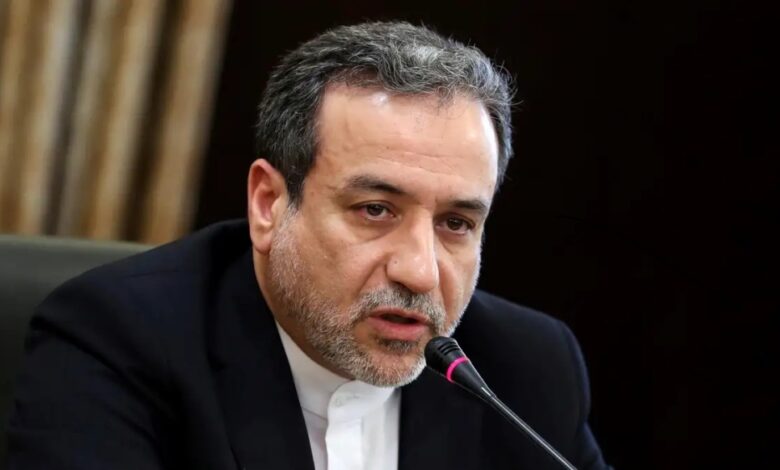
Iranian Foreign Minister in Türkiye: Mediation with Washington and securing the borders

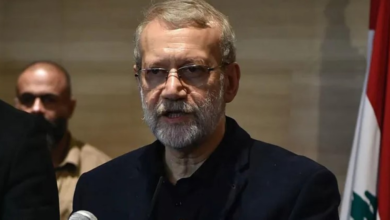
In a notable diplomatic move aimed at de-escalating tensions in the Middle East, Iranian Foreign Minister Abbas Araqchi to the Turkish capital, Ankara, on Friday. This visit comes at a critical juncture, as Turkey has offered to mediate between Tehran and Washington amid escalating US threats of potential military strikes, raising widespread regional concerns about the region sliding into open conflict.
Regional context and Turkish role
This visit is of paramount strategic importance given Turkey's geopolitical position as both a neighbor of Iran and a member of NATO. Ankara, through its active diplomacy, seeks to avert scenarios of chaos on its eastern border. A source in the Turkish Foreign Ministry stated that Foreign Minister Hakan Fidan will reiterate Turkey's firm stance against any foreign military intervention in Iran during his meeting with his Iranian counterpart, emphasizing that the repercussions of such a move would be disastrous not only for the region but also for international peace and security.
The source confirmed that the Turkish message would be clear: “Türkiye is ready to utilize all its diplomatic capabilities to contribute to reaching peaceful solutions to the current tensions through direct and constructive dialogue.”.
Security concerns and border procedures
On the security front, Turkey makes no secret of its concern about the potential collapse of stability within Iran should Tehran be subjected to heavy military strikes that could lead to the "fall of the regime" or widespread unrest. In this context, a Turkish official revealed his country's intention to take stringent precautionary measures to bolster security along their shared border.
Turkey and Iran share a land border stretching over 500 kilometers. While Ankara has completed the construction of a concrete security wall along approximately 380 kilometers of this border to prevent infiltration and illegal immigration, Turkish officials believe this may not be sufficient in extreme emergencies. Potential plans include deploying additional advanced electronic surveillance systems and increasing the number of military and border guards to secure border crossings and prevent any uncontrolled influx of refugees or armed groups.
Call to resume nuclear negotiations
In the context of proposed solutions, Turkish Foreign Minister Hakan Fidan urged the US administration to reconsider its strategy, calling on Washington to immediately begin nuclear talks with Iran. Fidan stated on Wednesday, “It would be a strategic mistake to attack Iran or ignite a new war in the region. Tehran has expressed its willingness to resume negotiations on the nuclear issue, and this opportunity must be seized.”.
Fidan added, offering advice to Western allies: “Our vision has always been clear to our American friends: close the outstanding files one by one. Start with the nuclear file and finish it, as this will pave the way for dealing with other files more smoothly.”.
US military movements
These intensified diplomatic efforts coincide with a palpable military escalation in the waters of the Middle East, where the US Central Command announced this week the arrival of a naval strike group spearheaded by the aircraft carrier USS Abraham Lincoln. This military buildup is interpreted in political circles as a message of maximum pressure on Tehran, making Turkish mediation a potential lifeline for defusing the crisis before it's too late.
It is worth noting that Turkish President Recep Tayyip Erdogan had previously indicated that the internal turmoil in Iran constituted a difficult test, stressing his country’s commitment to stand against any plans aimed at plunging the region into chaos and instability.