3,000 Iranian missiles and drones target the Gulf in the second week of the war

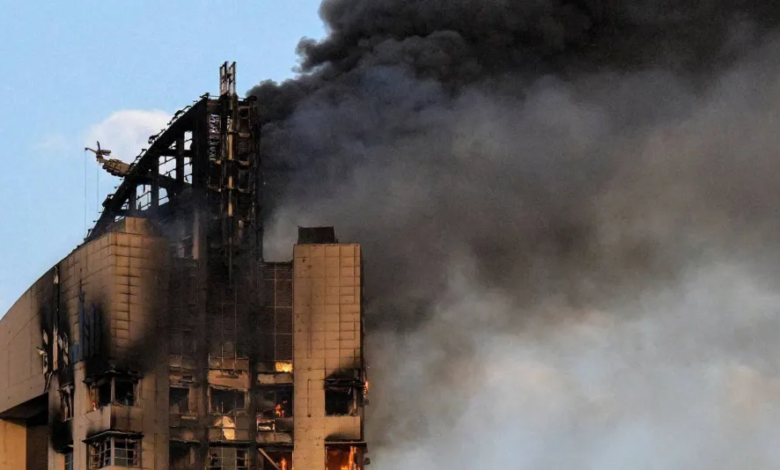
As the war in the region enters its second week, the regional arena has witnessed an unprecedented military escalation, with field reports and military statistics indicating that the Gulf states have been subjected to an intense and unprecedented attack by approximately 3,000 Iranian missiles and drones. This dangerous development places the entire region on the brink of a conflagration and threatens to fundamentally alter the balance of deterrence and the rules of engagement that have been in place for decades.
Details of the attack and intensity of fire
This attack was characterized by its high intensity and the variety of weapons used, combining long-range ballistic missiles with kamikaze drones. This military tactic, known as "missile saturation," typically aims to overwhelm the advanced air defense systems deployed in the Gulf states, such as Patriot and THAAD systems, posing a significant security challenge that requires high-level defense coordination between the targeted countries and their international allies.
Regional context and historical background
This escalation cannot be separated from the context of ongoing historical tensions in the Arabian Gulf region. The region has long been an arena for political and military rivalries due to its sensitive geopolitical location. This attack comes at a time of sharp polarization in international relations, bringing back memories of past wars that plagued the region, such as the First and Second Gulf Wars. However, the technological advancements in the current military arsenal mean that the potential scale of destruction and the cost of war are far greater than what the region witnessed in previous decades.
Economic and security repercussions
Economically, this targeting carries serious implications that extend beyond regional boundaries to the global economy. The Gulf region is a vital energy artery for the world, with a significant portion of global oil supplies passing through the Strait of Hormuz. The continued bombing at this scale threatens the safety of maritime navigation and critical oil installations, potentially leading to dramatic spikes in oil prices and disruptions to global supply chains, which could plunge the global economy into recession and inflation.
The international situation and the future of the conflict
This intensified attack has provoked widespread international reactions, with attention now turning to the Security Council and major powers for immediate intervention to halt the bloodshed. Military analysts believe that the continuation of the war at this high rate of missile and drone use could open the door to broader foreign interventions and perhaps the formation of new military alliances to counter Iranian threats, leaving the region with open-ended scenarios ranging from urgent diplomatic solutions to a slide into a protracted, full-blown regional war.