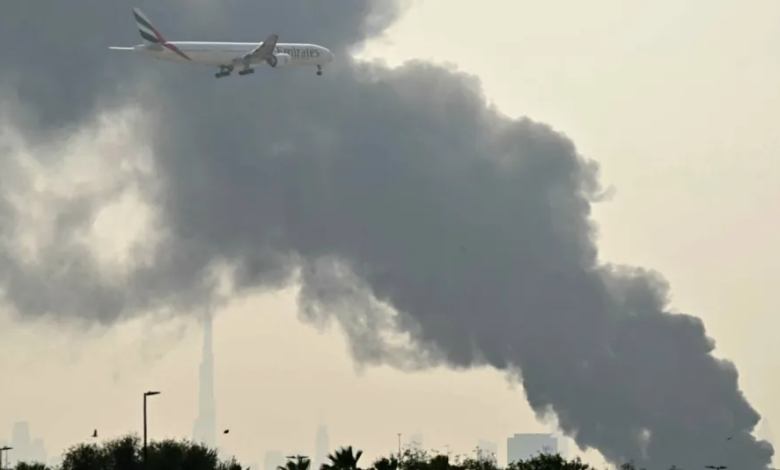

تصعيد خطير: استهداف الكويت والإمارات
تشهد منطقة الشرق الأوسط تصعيداً أمنياً خطيراً مع توارد الأنباء حول استخدام صواريخ ومسيّرات إيرانية لاستهداف أراضي كل من دولة الكويت والإمارات العربية المتحدة، وذلك في انتهاك واضح للجهود الدولية الرامية إلى التهدئة. يأتي هذا التطور الميداني المفاجئ رغم وجود اتفاقيات لوقف إطلاق النار ومحاولات حثيثة لخفض التوتر في المنطقة، مما يضع الأمن الإقليمي أمام تحديات غير مسبوقة تتطلب استجابة سريعة وحازمة من قبل المجتمع الدولي.
السياق التاريخي للتوترات الإقليمية وبرنامج الصواريخ الإيراني
لطالما شكل البرنامج الصاروخي الإيراني وتطوير الطائرات بدون طيار (المسيّرات) نقطة خلاف جوهرية بين طهران والمجتمع الدولي، وخاصة دول مجلس التعاون الخليجي. تاريخياً، اعتمدت إيران على استراتيجية الحرب بالوكالة ونشر التكنولوجيا العسكرية لجماعات مسلحة في المنطقة، مثل جماعة الحوثي في اليمن التي سبق وأن استهدفت منشآت مدنية واقتصادية في الإمارات والسعودية. إن استخدام هذه الأسلحة المتقدمة يمثل امتداداً لسياسة استعراض القوة التي تتبناها طهران لفرض معادلات ردع جديدة في الخليج العربي، وهو ما يعيد إلى الأذهان سلسلة من الحوادث الأمنية التي استهدفت الملاحة البحرية والبنية التحتية للطاقة خلال السنوات الماضية.
الأهمية الاستراتيجية والتأثير المتوقع للحدث
يحمل استهداف دولتين خليجيتين بحجم الإمارات والكويت دلالات استراتيجية عميقة. على الصعيد المحلي، يدفع هذا التصعيد دول الخليج إلى تعزيز منظومات الدفاع الجوي الخاصة بها، مثل أنظمة باتريوت وثاد، وتكثيف التعاون الأمني والعسكري لحماية أجوائها ومنشآتها الحيوية. أما على الصعيد الإقليمي، فإن هذه الهجمات تهدد بنسف مسارات التقارب الدبلوماسي التي شهدتها المنطقة مؤخراً، وتزيد من تعقيد المشهد الأمني، مما قد يؤدي إلى سباق تسلح جديد في الشرق الأوسط يعيق جهود التنمية المستدامة.
دولياً، لا يمكن فصل أمن الخليج عن أمن الاقتصاد العالمي. تعتبر الكويت والإمارات من كبار منتجي ومصدري النفط في العالم، وأي تهديد لأمنهما ينعكس فوراً على استقرار أسواق الطاقة العالمية. بالإضافة إلى ذلك، فإن استمرار تدفق الأسلحة الإيرانية واستخدامها لزعزعة الاستقرار يضع القوى الكبرى، وعلى رأسها الولايات المتحدة الأمريكية والدول الأوروبية، أمام مسؤولية التدخل لحماية الممرات المائية الدولية وضمان حرية الملاحة، مما قد يفتح الباب أمام عقوبات اقتصادية أو تحركات عسكرية مضادة.
تداعيات الهجمات على اتفاقيات وقف إطلاق النار
إن توقيت هذه الهجمات بالصواريخ والمسيّرات يمثل ضربة قاصمة للجهود الأممية والدولية التي أثمرت عن هدن هشة في عدة جبهات إقليمية. فاستمرار تدفق السلاح واستخدامه في توجيه ضربات عابرة للحدود يؤكد أن التهدئة الحالية قد تكون مجرد تكتيك مؤقت وليس توجهاً استراتيجياً نحو السلام. يتطلب هذا الوضع تحركاً عاجلاً من مجلس الأمن الدولي لإلزام كافة الأطراف باحترام سيادة الدول، ووقف التدخلات الخارجية، والعمل على إيجاد حلول جذرية تضمن استقرار منطقة الخليج العربي.