
تصاعد التوترات في الممرات المائية الحيوية
في تصعيد جديد يعكس حجم التوترات الجيوسياسية في منطقة الشرق الأوسط، وجه مسؤول إيراني بارز تحذيرات شديدة اللهجة للولايات المتحدة الأمريكية، مهدداً باستهداف وإغراق السفن الأمريكية في مضيق هرمز الاستراتيجي. تأتي هذه التصريحات في وقت تشهد فيه المنطقة حالة من الترقب والحذر، وسط تزايد التواجد العسكري والتحركات البحرية التي تهدف إلى تأمين خطوط الملاحة الدولية.
وقد حذر المستشار العسكري للمرشد الأعلى الإيراني من أن طهران لن تتردد في إغراق السفن الأمريكية في مضيق هرمز إذا ما حاولت واشنطن لعب دور الشرطي في هذا الممر المائي الحيوي. وتتزامن هذه التهديدات مع تقارير تفيد بفرض الولايات المتحدة حصاراً عسكرياً على الموانئ الإيرانية، وذلك رداً على تعطيل طهران للملاحة البحرية عبر المضيق لعدة أسابيع خلال فترة نزاع سابقة، والتي تشهد حالياً هدنة هشة ومؤقتة لمدة أسبوعين.
تهديدات مباشرة باحتجاز رهائن وتدمير السفن
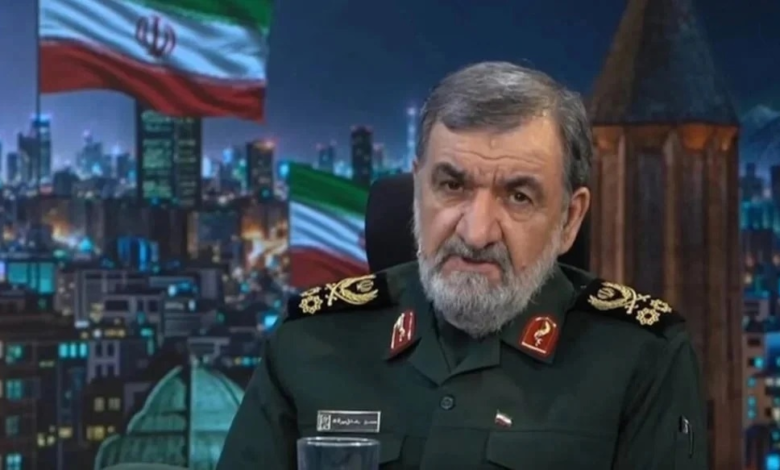
وفي سياق متصل، ظهر القائد السابق للحرس الثوري الإيراني والمستشار العسكري الحالي، محسن رضائي، مرتدياً زيه العسكري على التلفزيون الرسمي، ليوجه رسالة مباشرة للإدارة الأمريكية. وتساءل رضائي مستنكراً رغبة واشنطن في السيطرة على المضيق: “يريد ترامب أن يصبح شرطي مضيق هرمز، هل هذه هي وظيفتك حقاً؟ هل هذه هي وظيفة جيش قوي مثل جيش الولايات المتحدة؟”.
وأضاف رضائي بلغة تصعيدية: “ستغرق سفنكم هذه بصواريخنا الأولى، لقد شكلت خطراً كبيراً على الجيش الأمريكي، ومن المؤكد أنها ستكون عرضة لصواريخنا ويمكننا تدميرها”. ولم تتوقف التهديدات عند هذا الحد، بل تطرق إلى سيناريو التدخل البري، معتبراً أن أي غزو بري أمريكي لإيران سيكون فرصة لطهران، قائلاً: “سيكون أمراً رائعاً، سنأخذ آلاف الرهائن، وسنحصل على مليار دولار مقابل كل رهينة”. كما أبدى معارضته الشخصية لتمديد أي وقف لإطلاق النار في الوقت الراهن.
الأهمية الاستراتيجية لمضيق هرمز والخلفية التاريخية
لفهم أبعاد هذه التهديدات، يجب النظر إلى الأهمية التاريخية والاستراتيجية لمضيق هرمز. يُعد هذا المضيق، الذي يربط بين الخليج العربي وخليج عمان وبحر العرب، أحد أهم الممرات المائية في العالم. تاريخياً، كان المضيق نقطة اشتعال للعديد من النزاعات، أبرزها “حرب الناقلات” خلال الحرب العراقية الإيرانية في ثمانينيات القرن الماضي. ويمر عبر هذا المضيق الضيق حوالي خُمس إنتاج العالم من النفط الخام، مما يجعله شرياناً حيوياً للاقتصاد العالمي وأمن الطاقة.
التداعيات الإقليمية والدولية المحتملة
إن أي تصعيد عسكري أو إغلاق لمضيق هرمز سيؤدي إلى تداعيات كارثية على المستويين الإقليمي والدولي. اقتصادياً، سيؤدي أي تهديد للملاحة إلى ارتفاع فوري وحاد في أسعار النفط العالمية، مما يهدد بزيادة معدلات التضخم والإضرار بالاقتصادات الكبرى التي تعتمد على واردات الطاقة من الشرق الأوسط.
عسكرياً، تحتفظ الولايات المتحدة بتواجد قوي في المنطقة، متمثلاً في الأسطول الخامس المتمركز في البحرين، والذي تتمثل إحدى مهامه الرئيسية في حماية حرية الملاحة في الخليج العربي ومضيق هرمز. لذلك، فإن أي هجوم إيراني على السفن الأمريكية لن يُعتبر مجرد حادث عرضي، بل قد يشعل مواجهة عسكرية شاملة تجر إليها قوى إقليمية ودولية، مما يهدد أمن واستقرار المنطقة بأسرها ويضع الاقتصاد العالمي على حافة أزمة غير مسبوقة.