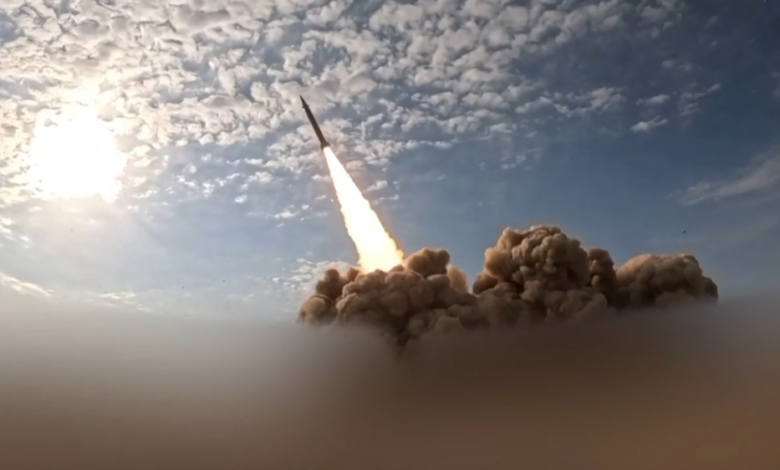

صعّد مسؤول عسكري إيراني بارز من لهجة التهديد تجاه الولايات المتحدة، مؤكداً أن الحرب مع أمريكا أصبحت أمراً لا مفر منه في ظل إصرار واشنطن على “استسلام” طهران الكامل. جاءت هذه التصريحات على لسان محمد جعفر أسدي، معاون قائد مقر خاتم الأنبياء، لتضيف فصلاً جديداً من التوتر في المواجهة المستمرة بين البلدين، والتي بدأت فصولها الأخيرة في أواخر فبراير الماضي.
وفي تفاصيل تصريحاته التي نقلها التلفزيون الرسمي، قال أسدي: “الولايات المتحدة تطالب باستسلامنا الكامل، والأمة الإيرانية لن تستسلم مطلقاً”. وأضاف بلهجة حاسمة: “دون استسلام، لا مفر من الحرب. لذا نحن ننتظر، والحرب لن تخيفنا”. تعكس هذه الكلمات الموقف المتشدد داخل المؤسسة العسكرية الإيرانية، والذي يرى في المواجهة خياراً استراتيجياً لا يمكن تجنبه للحفاظ على مبادئ الثورة الإسلامية وسيادة البلاد.
جذور التوتر: تاريخ طويل من العداء
لم تظهر هذه التوترات من فراغ، بل هي نتاج عقود من العلاقات المعقدة والعدائية بين طهران وواشنطن منذ قيام الثورة الإسلامية في إيران عام 1979. شكلت أزمة احتجاز الرهائن في السفارة الأمريكية بطهران نقطة القطيعة الدبلوماسية الكاملة، وتلتها سنوات من العقوبات الاقتصادية والمواجهات غير المباشرة. كان البرنامج النووي الإيراني هو المحور الأبرز للصراع في القرن الحادي والعشرين، حيث أدت المخاوف الدولية من سعي إيران لامتلاك أسلحة نووية إلى فرض عقوبات دولية خانقة.
ورغم التوصل إلى الاتفاق النووي (خطة العمل الشاملة المشتركة) في عام 2015، والذي كان يهدف إلى الحد من قدرات إيران النووية مقابل رفع العقوبات، إلا أن انسحاب الولايات المتحدة أحادي الجانب من الاتفاق في عام 2018 وإعادة فرض سياسة “الضغط الأقصى” أعاد التوترات إلى ذروتها، مما مهد الطريق للخطاب التصعيدي الحالي الذي يهدد باندلاع مواجهة عسكرية مباشرة.
تداعيات التصعيد وخيارات الحرب مع أمريكا
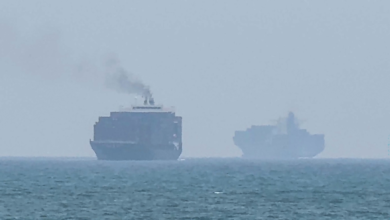
إن أي مواجهة عسكرية مباشرة بين إيران والولايات المتحدة لن تكون محصورة بين البلدين، بل ستمتد تداعياتها لتشمل منطقة الشرق الأوسط بأكملها والاقتصاد العالمي. تعتبر منطقة الخليج، وخاصة مضيق هرمز الذي يمر عبره جزء كبير من إمدادات النفط العالمية، نقطة اشتعال رئيسية. أي إغلاق للمضيق أو استهداف لناقلات النفط سيؤدي إلى ارتفاع هائل في أسعار الطاقة العالمية ودخول الاقتصاد الدولي في أزمة عميقة. على الصعيد الإقليمي، قد يؤدي الصراع إلى إشعال حروب بالوكالة على جبهات متعددة، من العراق وسوريا إلى لبنان واليمن، مما يهدد بزعزعة استقرار المنطقة لعقود قادمة. وفي خضم هذا الخطاب، تستمر محاولات دبلوماسية بوساطة أطراف ثالثة كباكستان، سعياً لإنهاء النزاع، إلا أن المفاوضات لم تفضِ بعد إلى نتيجة ملموسة.