
تفاصيل المخطط الإيراني لاغتيال إيفانكا ترامب
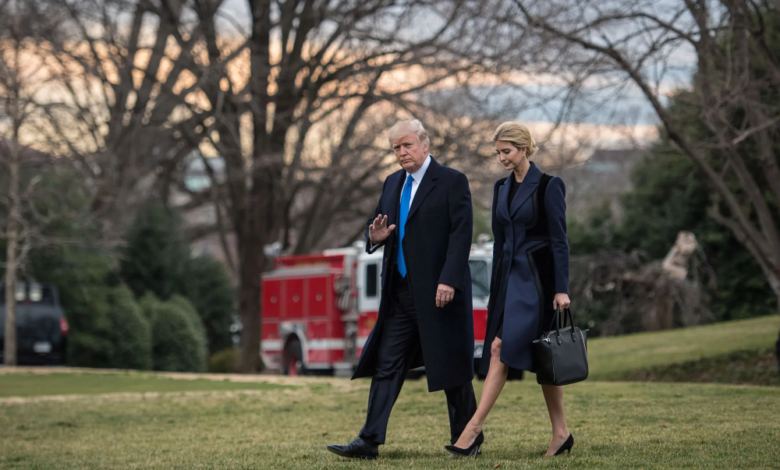
كشفت تقارير أمنية وإعلامية أمريكية، وعلى رأسها صحيفة “نيويورك بوست”، عن تفاصيل مروعة لمخطط إيراني استهدف اغتيال إيفانكا ترامب، ابنة الرئيس الأمريكي السابق دونالد ترامب. هذا المخطط، الذي جرى الترتيب له برعاية وتدريب من الحرس الثوري الإيراني، يعكس تصعيداً خطيراً في العمليات الانتقامية التي تسعى طهران لتنفيذها ضد شخصيات أمريكية بارزة وعائلاتهم على الأراضي الأمريكية.
الخلفية التاريخية: مقتل قاسم سليماني ودوافع الانتقام
للوقوف على الدوافع الحقيقية وراء هذا المخطط، يجب العودة إلى السياق التاريخي والحدث المفصلي الذي وقع في يناير من عام 2020، عندما أمر الرئيس الأمريكي آنذاك دونالد ترامب بتنفيذ غارة جوية بطائرة بدون طيار في العاصمة العراقية بغداد. أسفرت تلك الغارة عن مقتل قاسم سليماني، قائد فيلق القدس التابع للحرس الثوري الإيراني، والمهندس الفعلي للعمليات العسكرية الإيرانية في الشرق الأوسط. منذ ذلك الحين، توعدت القيادة الإيرانية بـ “انتقام قاسٍ”، واستهدفت تصريحاتهم مراراً مسؤولين أمريكيين سابقين، مما يضع هذا المخطط ضمن سلسلة من المحاولات المستمرة للرد على مقتل سليماني.
من هو محمد باقر السعدي وكيف تم إحباط المخطط؟
في تفاصيل العملية التي تم إحباطها، أشارت مصادر وزارة العدل الأمريكية إلى أن المتهم الرئيسي هو شخص يُدعى محمد باقر السعدي، يبلغ من العمر 32 عاماً. السعدي، الذي يُعتقد أنه يحظى بمكانة رفيعة المستوى داخل الدوائر العراقية الموالية لإيران، كان قد تعهد صراحة بقتل إيفانكا ترامب. ووفقاً للتحقيقات، كان يتجول بين أوساطه مردداً عبارة: “نحن بحاجة إلى قتل إيفانكا لحرق منزل ترامب بالطريقة التي أحرق بها منزلنا”، في إشارة واضحة إلى مقتل سليماني. وقد أظهرت التحقيقات أن السعدي كان يمتلك مخططات تفصيلية لمنزل إيفانكا في ولاية فلوريدا.
تكللت الجهود الاستخباراتية الدولية بالنجاح عندما تم اعتقال السعدي في تركيا بتاريخ 15 مايو. وعقب عملية الاعتقال، تم تسليمه إلى السلطات في الولايات المتحدة الأمريكية ليواجه العدالة. وبحسب بيانات وزارة العدل، لا يقتصر سجل السعدي على هذا المخطط فحسب، بل يواجه اتهامات خطيرة بتنفيذ ومحاولة تنفيذ 18 هجوماً إرهابياً في مناطق متفرقة عبر أوروبا والولايات المتحدة، مما يجعله عنصراً بالغ الخطورة في شبكة العمليات الخارجية.
التداعيات الأمنية والسياسية للحدث
يحمل هذا الحدث أهمية كبرى وتداعيات واسعة النطاق على عدة مستويات. محلياً في الولايات المتحدة، يسلط الضوء على التحديات الأمنية الهائلة التي يواجهها جهاز الخدمة السرية في حماية الشخصيات السياسية وعائلاتهم من التهديدات العابرة للحدود. أما إقليمياً ودولياً، فإن الكشف عن هذا المخطط يزيد من تعقيد المشهد السياسي المتوتر أصلاً بين واشنطن وطهران. فهو يؤكد استمرار طهران في استخدام وكلائها لتنفيذ عمليات خارج حدودها، مما قد يدفع الإدارة الأمريكية وحلفاءها إلى فرض مزيد من الإجراءات الصارمة، وتعزيز التعاون الأمني والاستخباراتي الدولي، كما حدث في التنسيق الناجح مع السلطات التركية لتسليم المتهم.