
Iranian President Masoud Pezeshkian declared on Saturday that the Islamic Republic is currently engaged in what he termed a "total war" waged by a Western alliance comprising the United States, major European countries, and Israel. These fiery remarks come at a time of unprecedented tensions in the region, particularly six months after a series of tit-for-tat military strikes that altered the rules of engagement in the Middle East.
In remarks carried by the official website of Iranian Supreme Leader Ali Khamenei, Pezeshkian said, "In my opinion, we are in a full-scale war against the United States, Israel, and Europe. They do not want our country to stand on its own two feet or to maintain its independence and sovereignty." These remarks reflect a firm conviction within the Iranian leadership that the current pressures transcend typical political disagreements and constitute an existential threat to the regime.
Background of the conflict and the nuclear issue
These developments come within the complex historical context of the conflict surrounding Iran's nuclear program. At the initiative of the European troika (France, Britain, and Germany), the United Nations reinstated its stringent sanctions against Tehran on September 28. This UN decision followed the breakdown of diplomatic negotiations and the failure of all attempts to revive the nuclear agreement or reach a mutually acceptable settlement.
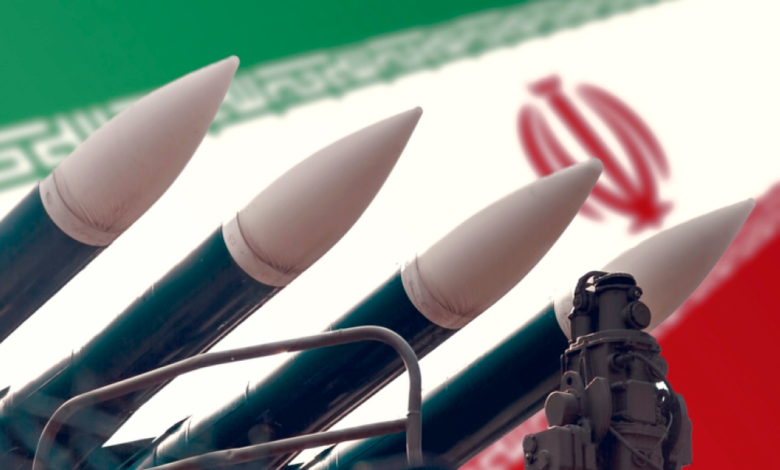
The United States and Western powers consistently accuse Iran of relentlessly pursuing nuclear weapons, a move Washington and Tel Aviv consider a red line. Tehran, for its part, consistently denies these accusations, asserting that its nuclear program is solely for peaceful purposes, such as energy production and medical research, and views Western sanctions as a form of unjust economic warfare.
Unprecedented military escalation
According to the field data cited by the Iranian president, the military situation has deteriorated significantly. The unprecedented and surprise Israeli strikes on Iranian military and nuclear sites, as well as civilian areas, on June 13th led to a direct confrontation between the two sides that lasted 12 days. According to statistics released by Iranian authorities, these strikes resulted in more than a thousand deaths, the highest toll in many years.
The matter did not stop at a bilateral confrontation, but the United States later joined the direct battlefield by launching airstrikes targeting three sensitive Iranian nuclear sites, further complicating the security landscape in the region.
Regional and international repercussions
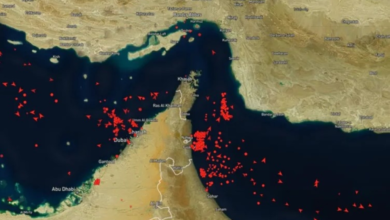
Observers believe that the Iranian president's talk of "total war" indicates a shift in the conflict from proxy wars and shadow warfare to direct confrontations that could plunge the entire region into chaos. The direct involvement of major international powers such as the United States and European countries in imposing sanctions or conducting military operations places global energy security and shipping lanes in the Strait of Hormuz under serious threat.
This escalation is also redrawing alliances in the Middle East, as Israel seeks to strengthen its front with the West to confront what it calls the "Iranian threat," while Tehran tries to withstand these pressures by strengthening its defense capabilities and relying on its allies in the region, which portends a long period of instability.