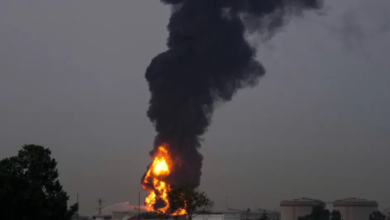
An airstrike targeted a Popular Mobilization Forces camp in Al-Suwaira, Iraq

An airstrike targeted a Popular Mobilization Forces camp in the Al-Suwaira district
The security situation in Iraq witnessed a significant development following reports of an airstrike targeting a Popular Mobilization Forces (PMF) camp in the al-Suwaira district of Wasit province, south of Baghdad. This event comes amidst escalating security tensions in the region, raising numerous questions about the repercussions of this strike on internal and regional stability, and presenting security and political actors with new challenges.
General context and historical background
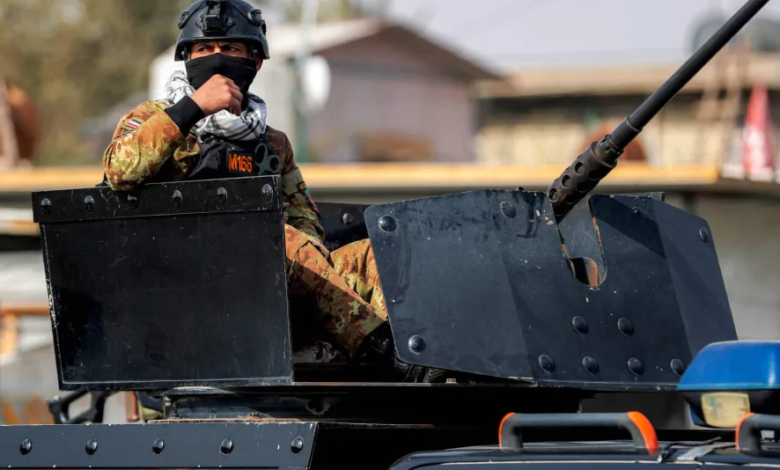
The Popular Mobilization Forces (PMF) were established in 2014 in response to a religious edict (fatwa) issued by the religious authority in Iraq, with the aim of confronting the ISIS terrorist organization, which at the time controlled large swathes of the country. Over time, these factions were formally integrated into the Iraqi armed forces, becoming part of the official state security apparatus and theoretically subordinate to the Commander-in-Chief of the Armed Forces. However, these forces comprise numerous factions, some of which are perceived as having close ties to regional actors, particularly Iran, making their headquarters and camps frequent targets in the context of protracted regional conflicts.
The district of Al-Suwaira, located in Wasit Governorate and distinguished by its strategic location near the capital, Baghdad, is a vital and important area. Targeting a camp in this region indicates a geographical expansion of military operations, which were previously concentrated primarily in the western border areas with Syria or in other specific regions, raising serious concerns about the vulnerability of Iraq's strategic depth.
The importance of the event and its expected local impact
Domestically, any airstrike against the Popular Mobilization Forces (PMF) the Iraqi government in a highly complex and precarious position. On the one hand, Baghdad is striving to preserve its national sovereignty and prevent its territory from becoming an arena for settling scores between international and regional powers. On the other hand, the government faces intense internal pressure from armed factions and the political blocs that support them to respond to these violations or take a firm stance against the foreign presence in the country. This targeting in the Suwayrah district could escalate the internal political and security rhetoric, threatening the fragile stability that the government has been working to establish for years.
Regional and international repercussions
Regionally and internationally, this incident cannot be separated from the complex landscape of the Middle East. These strikes typically coincide with periods of heightened tension between the United States and Iran, or occur within the context of ongoing conflicts in the region, such as the war in the Gaza Strip and clashes on multiple fronts. Targeting Popular Mobilization Forces (PMF) headquarters is often interpreted in political circles as a series of deterrent messages exchanged between the opposing sides, and an attempt to curtail the influence of armed factions.
In conclusion, the targeting of the Popular Mobilization Forces camp in the Suwayrah district represents a new and alarming episode in the series of security tensions plaguing Iraq. The greatest challenge facing Iraqi decision-makers remains how to distance the country from external conflicts, strengthen state sovereignty and the monopoly on the use of force, and ensure that the situation does not escalate into open military conflict, which could have dire and devastating consequences for the security and stability of the entire region.