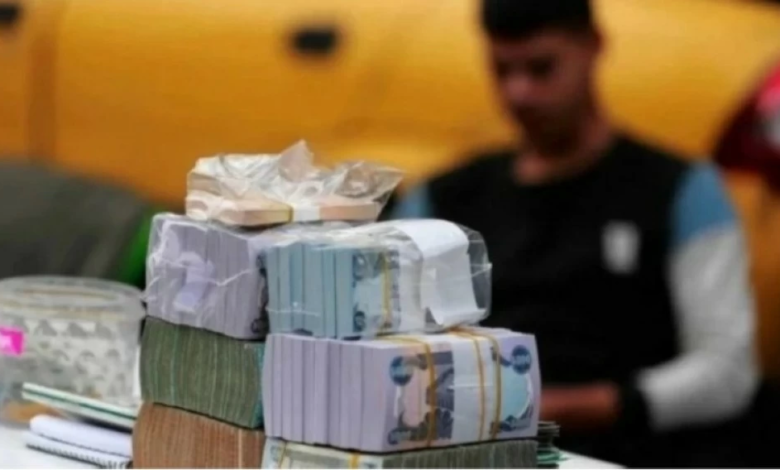

أصدر البنك المركزي العراقي توجيهات حاسمة تهدف إلى إنهاء حالة الجدل والارتباك في الأسواق المحلية بشأن التعامل بفئات الدولار الأمريكي، مؤكداً عدم وجود أي سند قانوني للتمييز في سعر الصرف بين الطبعات القديمة (البيضاء) والحديثة (الزرقاء).
وفي بيان رسمي موجه إلى كافة المصارف المجازة والمؤسسات المالية غير المصرفية، شدد البنك المركزي على ضرورة الالتزام التام بالتعليمات النافذة التي تمنع رفض أو خفض قيمة العملة الأمريكية بناءً على تاريخ إصدارها. وأوضح البنك أن القوانين المحلية والدولية لا تعتمد أي تمييز في القيمة الشرائية أو سعر الصرف بين الإصدارات المختلفة للدولار، طالما أن الورقة النقدية سليمة وتستوفي شروط التداول.
خلفية الأزمة في الأسواق المحلية
تأتي هذه الخطوة في وقت تشهد فيه الأسواق العراقية، ولعقود مضت، ظاهرة غير رسمية تتمثل في قيام بعض الصرافين والتجار بفرض عمولات إضافية أو خفض سعر صرف الدولار ذي الطبعة القديمة (ما قبل 2013)، بحجة صعوبة تصريفه أو مخاوف غير مبررة من تزييفه. هذه الممارسات أدت إلى خلق سعرين للدولار في السوق الموازي، مما أثقل كاهل المواطنين الذين يمتلكون مدخرات من الطبعات القديمة.
ومن الناحية التاريخية والمالية، تؤكد وزارة الخزانة الأمريكية والاحتياطي الفيدرالي الأمريكي بشكل مستمر أن جميع تصاميم العملة الفيدرالية تظل عملة قانونية صالحة للإبراء بغض النظر عن وقت إصدارها، وأن الولايات المتحدة لم تقم أبداً بسحب أي فئة من التداول بسبب تغيير التصميم.
الأهمية الاقتصادية وتأثير القرار
يحمل هذا التوجيه أهمية قصوى على الصعيدين المحلي والاقتصادي، حيث يهدف إلى:
- حماية المستهلك: منع استغلال المواطنين من قبل المضاربين الذين يروجون لشائعات عدم قبول الطبعات القديمة لتحقيق أرباح غير مشروعة.
- توحيد السوق: القضاء على الفوارق السعرية المصطنعة التي تربك التعاملات التجارية اليومية.
- تعزيز الثقة بالنظام المصرفي: تأكيد البنك المركزي على استقبال كافة الطبعات عبر المنافذ الرسمية يعزز ثقة الجمهور في إيداع أموالهم لدى المصارف بدلاً من اكتنازها في المنازل.
المعايير والضوابط المعتمدة
وأشار البنك المركزي في بيانه إلى أن المعيار الوحيد لقبول أو استبدال الأوراق النقدية هو حالتها المادية (خلوها من التلف الشديد أو التزييف) وفقاً للمعايير الدولية، وليس سنة طباعتها. وأكد أن البنك مستمر في استلام هذه الإصدارات والتعامل بها عبر قنواته الرسمية، داعياً المصارف إلى تسهيل إجراءات المواطنين وعدم وضع عراقيل غير مبررة.
ويأتي هذا الإجراء ضمن حزمة من الإصلاحات التي يقودها البنك المركزي العراقي لتعزيز الشفافية والانضباط في القطاع المصرفي، وضمان استقرار السياسة النقدية في البلاد، بما يتماشى مع المعايير العالمية المعتمدة في تداول النقد الأجنبي.