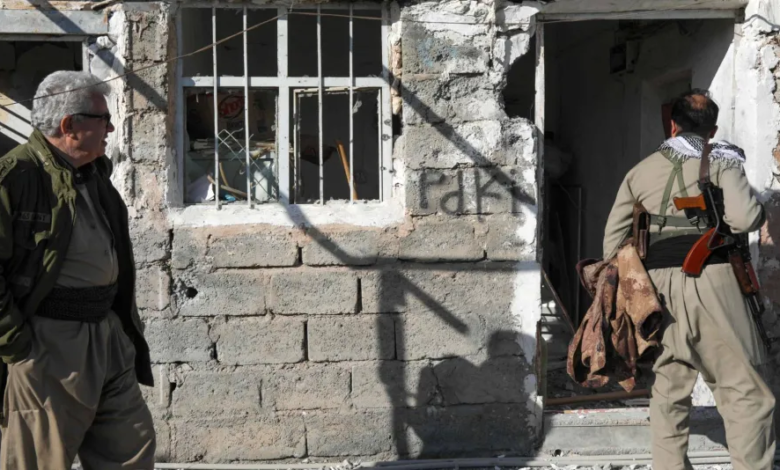
Iraqi Kurdistan accuses Iran of two attacks that killed six Peshmerga fighters

Iraqi Kurdistan accuses Iran of a dangerous escalation and the killing of 6 Peshmerga fighters
In a significant security development reflecting the ongoing tensions in the region, the Kurdistan Regional Government (KRG) of Iraq has officially accused the Islamic Republic of Iran of launching two separate attacks targeting the region's territory. These attacks resulted in the deaths of six Kurdish Peshmerga fighters, raising serious concerns about security and stability in northern Iraq and their implications for the regional and international landscape.
Details of the attack and Kurdish accusations
Authorities in the Kurdistan Region have asserted that the Iranian attacks constitute a blatant violation of Iraqi sovereignty and international law. This incident, which claimed the lives of six Peshmerga fighters, adds a new chapter to the tensions along the shared border. The Peshmerga forces are an integral part of Iraq's official defense system, making any targeting of them a dangerous escalation that demands a firm stance from the federal government in Baghdad and the international community.
General context and historical background of the tensions
This attack is not the first of its kind; recent history bears witness to a series of military operations carried out by the Iranian Revolutionary Guard Corps within the territory of Iraqi Kurdistan. Tehran typically justifies these attacks by citing the presence of Iranian Kurdish opposition armed groups based in the rugged mountainous regions of northern Iraq. Iran has previously used ballistic missiles and suicide drones to strike targets in Erbil and Sulaimaniyah, accusing these factions of threatening its national security and fomenting unrest within Iranian territory.
Despite the signing of a security agreement between Baghdad and Tehran aimed at disarming these opposition groups and removing them from the borders, Iranian military violations continue, putting the Kurdistan Regional Government and the federal government in a complicated position before local and international public opinion.
The importance of the event and its expected impact
Domestically, this escalation is destabilizing the Kurdistan Region, which is known as the safest haven in Iraq for attracting foreign investment. It also places additional pressure on the regional government to secure its borders and protect its citizens and armed forces.
On a regional level, this event puts Iraqi-Iranian relations to a difficult test. Baghdad, which seeks to maintain balanced relations with its neighbors, finds itself compelled to defend its national sovereignty and may resort to summoning the Iranian ambassador or submitting official protest notes, which could affect the course of bilateral cooperation between the two countries.
Internationally, these attacks are often met with widespread condemnation from the United States, the European Union, and the United Nations Assistance Mission for Iraq (UNAMI). The international community views the stability of the Kurdistan Region as vital to the stability of the entire Middle East, and any threat to it is considered a threat to international interests and counterterrorism efforts in the region.
Summary of the security situation
The continued Iranian attacks and the resulting casualties among Peshmerga forces underscore the urgent need to activate diplomatic channels and adhere to existing security agreements. The greatest challenge facing Iraq remains how to fully assert its sovereignty over its territory and prevent the Kurdistan Region from becoming an arena for settling regional scores, amidst growing calls for international intervention to put an end to these ongoing violations.