
في موقف دبلوماسي لافت يعكس حجم القلق الدولي المتزايد إزاء الحرب في قطاع غزة، أعلنت الحكومة الإيرلندية يوم الجمعة، عن قرارها منع دخول وزيرين إسرائيليين يمينيين متطرفين إلى أراضيها. هذا القرار الذي يؤكد أن إيرلندا تحظر دخول مسؤولين إسرائيليين، وهما وزير الأمن القومي إيتمار بن غفير ووزير المالية بتسلئيل سموتريتش، يأتي كرسالة سياسية قوية من دبلن، تنديدًا بالسياسات المتبعة تجاه الفلسطينيين والعمليات العسكرية المستمرة في غزة.
موقف إيرلندي متجذر في التاريخ
لم يأتِ القرار الإيرلندي من فراغ، بل هو امتداد لموقف تاريخي متضامن مع القضية الفلسطينية، وهو موقف تشكّل بفعل التجربة التاريخية لإيرلندا نفسها ونضالها من أجل الاستقلال. لطالما رأت قطاعات واسعة من الشعب الإيرلندي والطبقة السياسية أوجه تشابه بين نضالهم الوطني والصراع الفلسطيني، مما خلق تعاطفًا عميقًا ودعمًا مستمرًا. وكانت إيرلندا من أوائل الدول الأوروبية التي دعت إلى حل الدولتين، كما أنها دأبت على انتقاد سياسات التوسع الاستيطاني الإسرائيلي في الأراضي الفلسطينية المحتلة، معتبرة إياها عقبة رئيسية أمام السلام. وقد توّج هذا المسار مؤخرًا باعتراف إيرلندا الرسمي بدولة فلسطين، في خطوة منسقة مع إسبانيا والنرويج، مما عزز مكانتها كصوت بارز داخل الاتحاد الأوروبي في دعم الحقوق الفلسطينية.
لماذا إيرلندا تحظر دخول مسؤولين إسرائيليين الآن؟
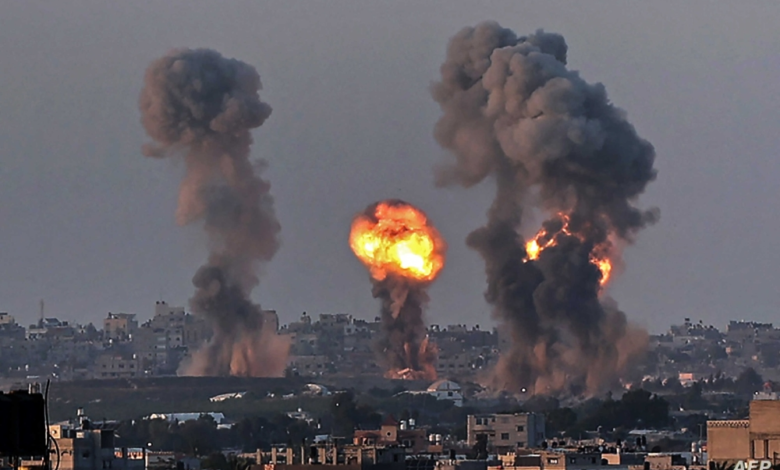
يأتي هذا الحظر في سياق الحرب المدمرة على قطاع غزة، والتي خلفت عشرات الآلاف من الضحايا وأدت إلى كارثة إنسانية غير مسبوقة. وقد وجه وزير العدل الإيرلندي، جيم أوكالاهان، تعليمات مباشرة لسلطات الهجرة بتنفيذ القرار. ويستهدف الحظر بشكل خاص الوزيرين بن غفير وسموتريتش، المعروفين بمواقفهما المتطرفة وتصريحاتهما التحريضية ضد الفلسطينيين، ودعواتهما لضم أجزاء من الضفة الغربية وتشجيع الاستيطان. تعتبر دبلن أن مثل هذه الشخصيات بأيديولوجيتها المتشددة لا تساهم فقط في تأجيج الصراع، بل تقوض بشكل مباشر أي فرصة مستقبلية لتحقيق سلام عادل ودائم. وبالتالي، فإن منع دخولهما يمثل رفضًا رمزيًا وعمليًا للنهج الذي يمثلانه.
تداعيات القرار على الساحة الدولية
يحمل قرار إيرلندا دلالات مهمة على الصعيدين الإقليمي والدولي. فعلى المستوى الأوروبي، تزيد هذه الخطوة من الضغط الدبلوماسي على إسرائيل، وقد تشجع دولًا أوروبية أخرى لديها مواقف نقدية مماثلة على اتخاذ إجراءات مشابهة. كما يعزز القرار من حالة العزلة التي تواجهها الحكومة الإسرائيلية الحالية، والتي تعتبر الأكثر يمينية في تاريخها. ومن المتوقع أن يؤدي هذا الإجراء إلى توتر في العلاقات الثنائية بين إيرلندا وإسرائيل، لكنه في المقابل يرسخ دور إيرلندا كدولة متمسكة بالقانون الدولي وحقوق الإنسان، ومستعدة لاتخاذ مواقف جريئة بناءً على مبادئها، حتى لو كانت تتعارض مع سياسات حلفاء أقوياء.