
تفاصيل الهجوم الصاروخي ومقتل إبراهيم مرتضوي نسب
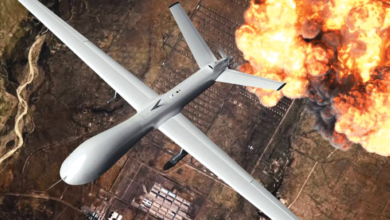
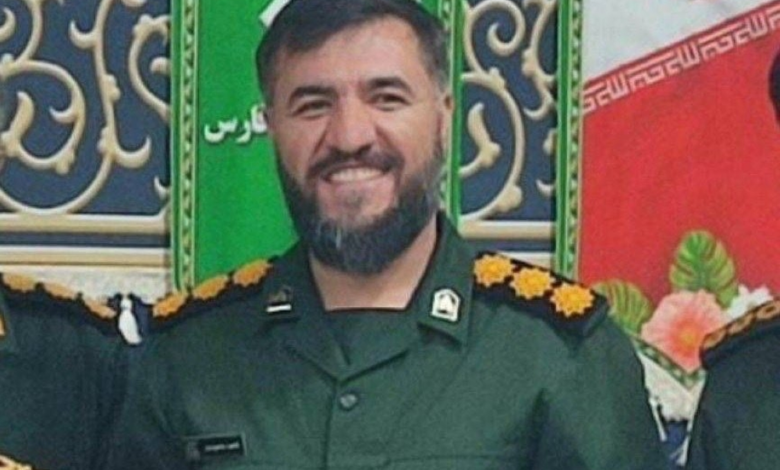
في تطور أمني وعسكري بالغ الأهمية، أعلنت وسائل إعلام إيرانية رسمية عن مقتل قيادي في الحرس الثوري الإيراني، يُدعى إبراهيم مرتضوي نسب، وذلك نتيجة هجوم صاروخي دقيق استهدف قاعدة عسكرية حساسة في مدينة شيراز الواقعة جنوبي البلاد. يمثل هذا الاستهداف المباشر داخل الأراضي الإيرانية تصعيداً خطيراً في مسار الأحداث الأمنية التي تشهدها المنطقة، ويطرح تساؤلات عديدة حول مستوى الاختراق الأمني.
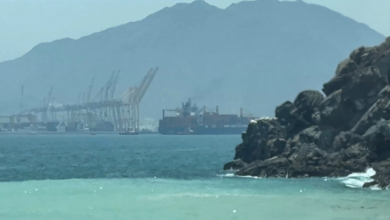
ولم تقتصر سلسلة الأحداث الأمنية على مدينة شيراز فحسب، بل امتدت لتشمل مناطق استراتيجية أخرى داخل الجغرافيا الإيرانية. وفي هذا السياق، نقلت قناة ‘العربية’ الإخبارية عبر حسابها الرسمي على منصة ‘إكس’ (تويتر سابقاً)، استناداً إلى تقارير من إعلام إيراني، أن خمسة انفجارات شديدة وعنيفة دوت في مدينة بندر عباس الساحلية الاستراتيجية جنوبي البلاد. بالتزامن مع ذلك، تعرض مقر تابع لقوات التعبئة الشعبية (الباسيج) للقصف في منطقة نمازي بالعاصمة الإيرانية طهران، مما يعكس اتساع رقعة الاستهداف وتنسيقه العالي في توقيت متزامن.
السياق التاريخي والأهمية الاستراتيجية للمواقع المستهدفة
لفهم أبعاد هذا الحدث، يجب النظر إلى الأهمية الاستراتيجية للمواقع التي تم استهدافها. تُعد مدينة شيراز واحدة من أهم المدن الإيرانية التي تضم قواعد جوية وعسكرية حيوية. أما بندر عباس، فهي الميناء الرئيسي لإيران وتطل مباشرة على مضيق هرمز الاستراتيجي، الذي يمر عبره جزء كبير من إمدادات النفط العالمية، مما يجعل أي اضطراب أمني فيها مصدر قلق بالغ للأسواق العالمية. من جهة أخرى، فإن استهداف مقر للباسيج في قلب العاصمة طهران يحمل رسالة اختراق أمني واضحة للعمق السياسي والأمني للنظام.
تاريخياً، يُعتبر الحرس الثوري الإيراني وقوات الباسيج التابعة له العمود الفقري العسكري والأمني في إيران. وقد تعرضت هذه القوات وقياداتها خلال السنوات الماضية لسلسلة من الاستهدافات، سواء من خلال عمليات اغتيال أو هجمات بطائرات مسيرة وصواريخ، والتي غالباً ما تُنسب في سياق ‘حرب الظل’ الدائرة بين إيران وخصومها الإقليميين والدوليين.
التداعيات الإقليمية والدولية المتوقعة
إن مقتل قيادي في الحرس الثوري داخل الأراضي الإيرانية ليس مجرد حدث محلي، بل له ارتدادات إقليمية ودولية واسعة النطاق. على الصعيد المحلي، من المتوقع أن ترفع السلطات الإيرانية من حالة التأهب الأمني إلى درجاتها القصوى، مع احتمالية شن حملات أمنية داخلية واسعة لتأمين الجبهة الداخلية والبحث عن أي ثغرات استخباراتية محتملة سمحت بتنفيذ هذه الهجمات المنسقة.
إقليمياً، يأتي هذا الهجوم الصاروخي في وقت تشهد فيه منطقة الشرق الأوسط غلياناً غير مسبوق، وتوترات متصاعدة على عدة جبهات. هذا التصعيد قد يدفع القيادة الإيرانية إلى التفكير في خيارات الرد، مما ينذر باحتمالية توسع دائرة الصراع والمواجهات المباشرة أو غير المباشرة. دولياً، تراقب العواصم الكبرى والأسواق المالية هذه التطورات بحذر شديد، خاصة وأن أي تصعيد عسكري بالقرب من الممرات المائية الاستراتيجية كبندر عباس يمكن أن يؤدي إلى تقلبات حادة في أسعار الطاقة العالمية ويؤثر سلباً على حركة الملاحة والتجارة الدولية.