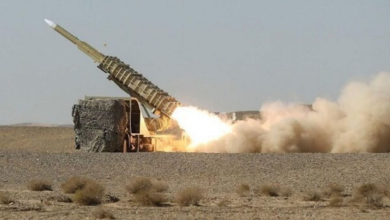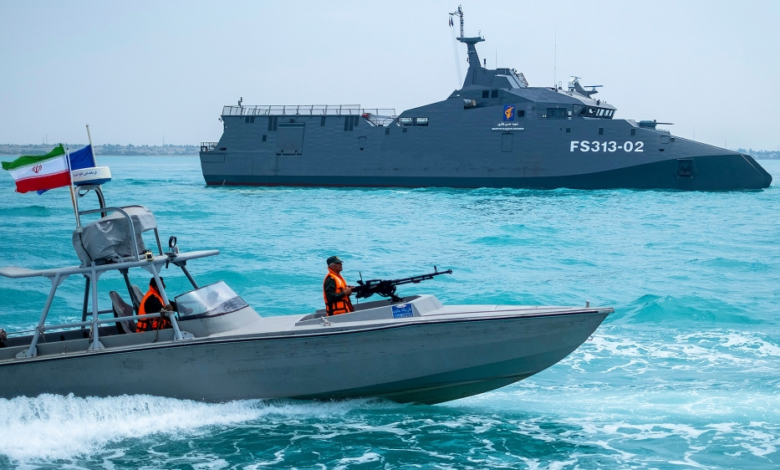

في خطوة تحمل دلالات سياسية وعسكرية بالغة الأهمية، باشر الحرس الثوري الإيراني، يوم الاثنين، إجراء مناورات عسكرية واسعة في منطقة مضيق هرمز الاستراتيجية. ويأتي هذا التحرك الميداني بحسب ما أورده التلفزيون الرسمي الإيراني، عشية انطلاق جولة جديدة وحاسمة من المباحثات بين طهران والولايات المتحدة الأمريكية في جنيف، مما يضفي طابعاً معقداً على المشهد الدبلوماسي.
تفاصيل المناورات وتوقيتها الحساس
أعلن التلفزيون الرسمي أن هذه التدريبات العسكرية، التي لم يتم تحديد مدتها الزمنية بدقة، تهدف بشكل أساسي إلى رفع الجاهزية القتالية وتحضير قوات الحرس الثوري لمواجهة "التهديدات الأمنية والعسكرية المحتملة" في الممر المائي الحيوي. وتتزامن هذه المناورات مع تعزيزات عسكرية أمريكية في المنطقة، حيث نشرت واشنطن قوة بحرية كبيرة، مما زاد من حدة التوتر والاحتقان العسكري في مياه الخليج.
الأهمية الاستراتيجية لمضيق هرمز
لا يمكن قراءة هذا الحدث بمعزل عن الأهمية الجيوسياسية لموقع المناورات. يُعد مضيق هرمز أهم ممر مائي لنقل النفط في العالم، حيث يمر عبره نحو 20% من إجمالي الإنتاج العالمي للنفط يومياً. ولطالما لوح المسؤولون الإيرانيون بورقة "إغلاق المضيق" كخيار استراتيجي للرد على العقوبات أو التهديدات العسكرية، مما يجعل أي نشاط عسكري في هذه الرقعة الجغرافية محط أنظار أسواق الطاقة العالمية والمجتمع الدولي، نظراً لتأثيره المباشر على سلاسل الإمداد وأسعار النفط.
المسار الدبلوماسي وسط التصعيد
تأتي هذه التدريبات كرسالة مزدوجة قبل جولة المباحثات الثانية المرتقبة بين إيران والولايات المتحدة في سويسرا، والتي تجري بوساطة تقودها سلطنة عمان. وفي الوقت الذي يحض فيه الرئيس الأمريكي دونالد ترامب الجانب الإيراني على إبرام اتفاق جديد، تتبع واشنطن سياسة "الضغط الأقصى" عبر إرسال حشود عسكرية، وهو ما تقابله طهران بإظهار قدراتها الدفاعية والهجومية، مؤكدة أنها تفاوض من موقع قوة وليس ضعف.
الرقابة الاستخباراتية والسيطرة البحرية
وفي سياق متصل، أكد القيادي في بحرية الحرس الثوري، محمد أكبر زاده، السيطرة المعلوماتية للقوات الإيرانية على الموقف، مشيراً إلى أن كافة السفن الأجنبية المتواجدة في المنطقة تخضع لـ "المراقبة الاستخباراتية الكاملة". وأضاف زاده في تصريحاته يوم الاثنين أن هذه القطع البحرية تقع ضمن نطاق القدرات الدفاعية الإيرانية، مما يعكس استراتيجية إيران في الاعتماد على القوارب السريعة والصواريخ البحرية لموازنة التفوق العسكري البحري للأسطول الأمريكي.
وتهدف وسائل الإعلام الإيرانية من خلال تغطية هذه المناورات إلى إبراز قدرة طهران على "الرد السريع"، وتوجيه رسالة مفادها أن المسار الدبلوماسي في جنيف لا يعني التخلي عن الخيارات العسكرية لحماية المصالح القومية الإيرانية في الخليج.