The Revolutionary Guard threatens to close the Strait of Hormuz and burn passing ships

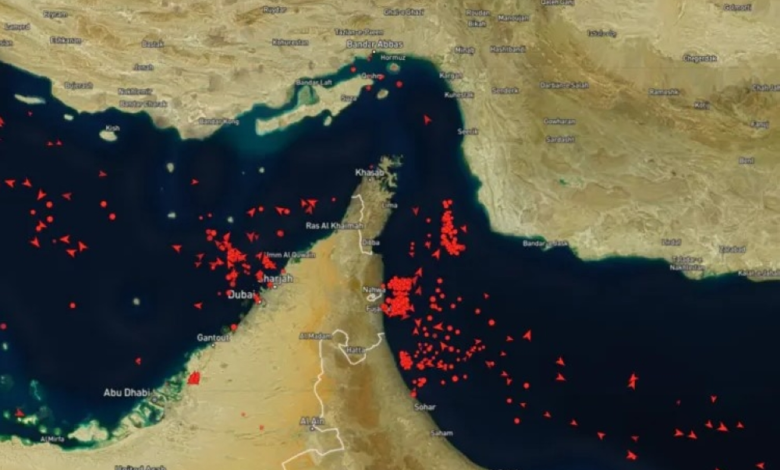
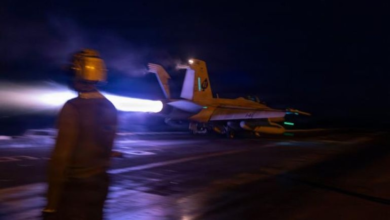
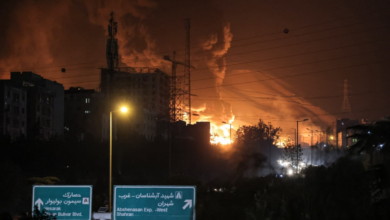
In a dangerous escalation of the security situation in the Middle East, the Iranian Revolutionary Guard threatened to burn any commercial or military vessel attempting to cross the Strait of Hormuz, according to breaking news reports. This explicit threat comes amid unprecedented tensions in the region and follows reports of US and Israeli strikes targeting sites in Iran, prompting Tehran to threaten to close one of the world's most important waterways.
Changing the course of global trade
In response to these threats and escalating security risks, major global shipping companies have announced immediate measures to protect their fleets. These companies have already begun rerouting their vessels away from the Strait of Hormuz, the Suez Canal, and the Bab el-Mandeb Strait, opting instead for the Cape of Good Hope route around Africa. While this route is significantly longer and increases shipping and fuel costs, the companies consider it the only currently safe option to avoid direct targeting.
Maersk statement and the deteriorating security situation
In this context, the Danish shipping giant Maersk issued an official statement on Sunday clarifying its position on recent developments. The company stated: "Due to the deteriorating security situation in the Middle East following the escalation of military conflict, we have decided to temporarily suspend shipping operations through the Suez Canal and the Bab el-Mandeb Strait." This decision reflects the extent of international companies' concerns about the potential for an open maritime confrontation that could affect commercial vessels.
The strategic importance of the Strait of Hormuz
This event gains its paramount importance from the strategic significance of the Strait of Hormuz, often described as the "world's oil artery." Nearly a fifth of the world's oil production passes through this strait daily, and any threat to close it or target ships within it would send shockwaves through global energy markets. Historically, the strait has been a powerful bargaining chip for Iran in the face of Western sanctions and pressure, but the explicit threat to "burn the ships" represents a new level of escalation.
Economic and geopolitical repercussions
This tension is expected to cast a dark shadow over the global economy. Increased shipping distances by circumnavigating Africa will inevitably lead to delays in goods arrival and higher marine insurance and freight costs, potentially contributing to a new wave of global inflation. Furthermore, the militarization of vital waterways could necessitate international interventions to protect freedom of navigation, raising the likelihood of direct military clashes between major powers in the region and making global energy security hostage to current political and military rivalries.