
تصعيد عسكري في مياه الخليج
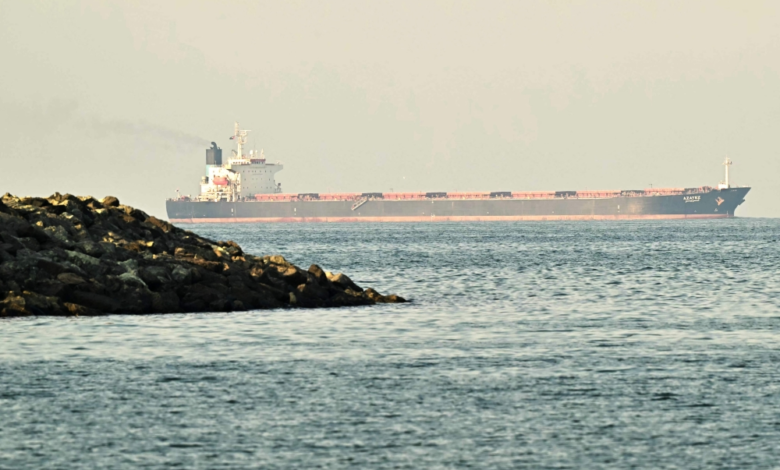
في تصعيد عسكري خطير يهدد أمن الملاحة الدولية، حذر الحرس الثوري الإيراني من أن أي سفينة تقترب من مضيق هرمز ستصبح “هدفاً مشروعاً” لقواته. يأتي هذا التهديد المباشر في ظل توترات متصاعدة تشهدها المنطقة، وبعد تقارير عاجلة من هيئة بحرية بريطانية تفيد بأن زوارق عسكرية إيرانية أطلقت النار بالفعل على ناقلة نفط أثناء عبورها في هذا الممر المائي الحيوي لإمدادات الطاقة والتجارة العالمية.
تفاصيل التحذير الإيراني وإغلاق المضيق
نشرت بحرية الحرس الثوري الإيراني بياناً رسمياً عبر موقعها الإلكتروني، أكدت فيه أنه نظراً لعدم رفع “العدو الأميركي” للحصار البحري المفروض، فقد تم اتخاذ قرار بإغلاق مضيق هرمز بالكامل. وشدد البيان بلهجة حازمة على تحذير جميع السفن من مغادرة مراسيها في مياه الخليج العربي وبحر عُمان، معتبراً أن أي محاولة للاقتراب من المضيق ستُفهم على أنها “تعاون مع العدو”، مما يعرض السفينة المخالفة للاستهداف العسكري المباشر.
الأهمية الاستراتيجية لمضيق هرمز
يُعد مضيق هرمز واحداً من أهم الممرات المائية الاستراتيجية في العالم، حيث يربط بين الخليج العربي وخليج عُمان وبحر العرب. وتكمن أهميته البالغة في كونه الشريان الرئيسي لتدفق النفط العالمي؛ إذ يمر عبره نحو خُمس استهلاك العالم من النفط الخام يومياً. تاريخياً، لطالما كان هذا المضيق نقطة اشتعال رئيسية في النزاعات الإقليمية والدولية، حيث تستخدمه طهران كورقة ضغط سياسية وعسكرية في مواجهاتها المستمرة مع الولايات المتحدة الأمريكية وحلفائها، مما يثير قلقاً دولياً مستمراً بشأن أمن إمدادات الطاقة.
التداعيات السياسية والمواقف الدولية
على الصعيد الدبلوماسي والسياسي، أعلنت طهران بوضوح أنها لن تتراجع أو تساوم على مواقفها في المباحثات غير المباشرة مع الولايات المتحدة، والتي تلعب فيها باكستان دور الوسيط. وفي المقابل، وجه الرئيس الأمريكي دونالد ترامب تحذيراً شديد اللهجة لإيران، رافضاً ما وصفه بـ “الابتزاز” الإيراني للمجتمع الدولي عبر التهديد بإغلاق المضيق رداً على العقوبات والحصار الاقتصادي الذي تفرضه واشنطن على الموانئ الإيرانية.
تضارب القرارات الإيرانية وتأثيرها الاقتصادي
شهدت الساحة الإيرانية تضارباً ملحوظاً في القرارات؛ فبعد أن أعلن وزير الخارجية الإيراني عباس عراقجي عن إعادة فتح مضيق هرمز بالكامل خلال ما تبقى من فترة وقف إطلاق النار في الشرق الأوسط، تراجعت القوات المسلحة الإيرانية عن هذا الإجراء. وعادت السلطات العسكرية لتفرض ما أسمته “الإدارة الصارمة” على المضيق. إن استمرار هذا التصعيد، واستهداف ناقلات النفط كما أكدت الهيئة البحرية البريطانية، يحمل تداعيات مقلقة على الاقتصاد العالمي، حيث يؤدي عادة إلى ارتفاع فوري في أسعار النفط العالمية وزيادة كبيرة في تكاليف التأمين على الشحن البحري، مما يضع المجتمع الدولي أمام تحدٍ كبير لضمان حرية الملاحة.