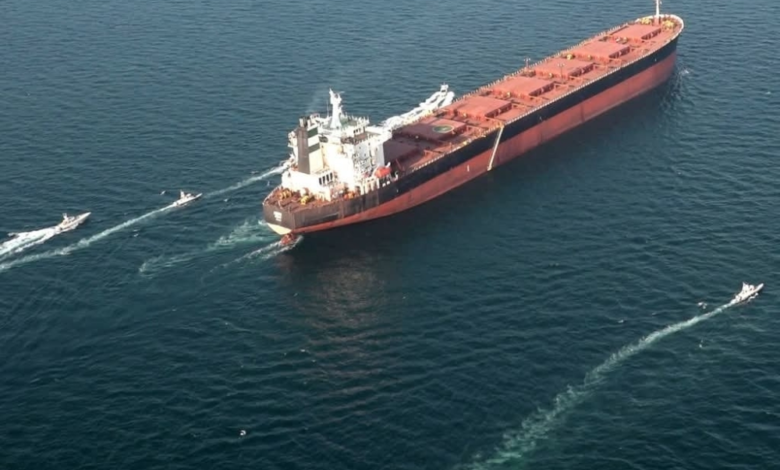

تصعيد جديد في مضيق هرمز
في تصعيد جديد للتوترات في منطقة الشرق الأوسط، وجه الحرس الثوري الإيراني تحذيراً شديد اللهجة، مؤكداً أنه سيتعامل “بحزم” مع أي سفن عسكرية أو حربية تحاول عبور مضيق هرمز الاستراتيجي. يأتي هذا الموقف المتشدد في وقت تشهد فيه الممرات المائية الدولية في المنطقة حساسية أمنية بالغة، مما يثير مخاوف المجتمع الدولي بشأن حرية الملاحة وتأثير ذلك على إمدادات الطاقة العالمية.
تفاصيل التحذير الإيراني والتحركات الأمريكية
ووفقاً لما أفاد به التلفزيون الإيراني الرسمي، فقد نقلت هيئة الإذاعة والتلفزيون الإيرانية عن قيادة القوات البحرية للحرس الثوري تصريحات تؤكد أن “أي محاولة من قبل السفن العسكرية لعبور مضيق هرمز ستواجه بحزم”. وأضافت القيادة أن القوات البحرية التابعة للحرس الثوري تمتلك “السلطة الكاملة لإدارة مضيق هرمز بحكمة”، مشددة على أن السماح بعبور هذا الممر المائي الحيوي “سيُمنح فقط للسفن المدنية والتجارية، وذلك وفق ضوابط وقواعد خاصة” تحددها طهران.
وجاءت هذه التصريحات الإيرانية كرد فعل مباشر عقب إعلان القيادة الوسطى الأمريكية (سنتكوم) عن عبور سفينتين حربيتين تابعتين للبحرية الأمريكية عبر المضيق. وأوضحت واشنطن أن هذا العبور يأتي ضمن عمليات روتينية واستراتيجية تهدف إلى تأمين الملاحة، مشيرة إلى أن المهام شملت عمليات لإزالة ألغام بحرية اتهمت الولايات المتحدة طهران بزرعها في المياه الإقليمية والممرات الدولية لتهديد الملاحة.
السياق العام والخلفية التاريخية للتوترات
ولفهم أبعاد هذا التصعيد، يجب النظر إلى السياق العام والخلفية التاريخية لمضيق هرمز. يُعد المضيق أحد أهم الممرات المائية وأكثرها استراتيجية على مستوى العالم، حيث يربط بين الخليج العربي وخليج عمان وبحر العرب. تاريخياً، كان المضيق مسرحاً للعديد من التوترات، أبرزها “حرب الناقلات” إبان الحرب العراقية الإيرانية في ثمانينيات القرن الماضي. وفي السنوات الأخيرة، تكررت حوادث استهداف واحتجاز السفن التجارية وناقلات النفط، مما دفع الولايات المتحدة وحلفاءها إلى تشكيل تحالفات بحرية دولية لضمان أمن وحرية الملاحة في هذا الشريان الحيوي الذي يمر عبره نحو خُمس استهلاك العالم من النفط الخام.
أهمية الحدث وتأثيره المتوقع محلياً ودولياً
وتحمل هذه التطورات أهمية كبرى وتأثيرات متوقعة على عدة أصعدة. على الصعيد المحلي والإقليمي، تزيد هذه التهديدات من حالة الاستنفار العسكري والمخاوف الأمنية لدى الدول المشاطئة للخليج العربي، والتي تعتمد بشكل شبه كلي على المضيق لتصدير مواردها من الطاقة. أما على الصعيد الدولي، فإن أي احتكاك عسكري أو إغلاق جزئي للمضيق، ولو لساعات، من شأنه أن يرسل موجات صدمة فورية إلى أسواق الطاقة العالمية، مما قد يؤدي إلى ارتفاع حاد في أسعار النفط والغاز، ويزيد من الأعباء على الاقتصاد العالمي.
ختاماً، يعكس هذا التراشق الإعلامي والعسكري بين الولايات المتحدة وإيران هشاشة الوضع الأمني في منطقة الخليج. وفي حين تؤكد واشنطن على التزامها بحماية حرية الملاحة الدولية وفقاً للقوانين والأعراف البحرية، تواصل طهران استخدام ورقة مضيق هرمز كأداة ضغط جيوسياسية في مواجهاتها المستمرة مع الغرب، مما يبقي المنطقة بأسرها مفتوحة على كافة الاحتمالات.