Autumn: A regulatory environment to stimulate innovation and training at Davos 2026

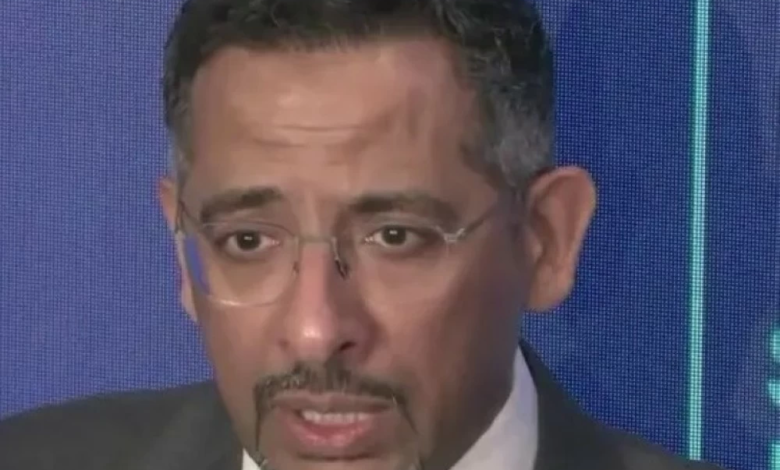
Saudi Arabia’s Minister of Industry and Mineral Resources, Bandar bin Ibrahim Al-Khorayef, emphasized the paramount importance of ensuring a flexible regulatory and legislative environment that directly stimulates innovation and enhances specialized training programs. Al-Khorayef’s remarks highlighted the Kingdom’s ambitious strategy to empower the private sector and raise the efficiency of its national workforce.
During his participation in a specialized dialogue session on "Developing Capacity Building Systems," Al-Khuraiji explained that the government's role is not limited to funding or logistical support, but extends to creating a suitable legislative environment that ensures the continued stimulation of the private sector's growth and global competitiveness. He pointed out that this approach is a fundamental pillar for ensuring the sustainability of industrial development in the Kingdom.
Developing human capabilities in the age of artificial intelligence
Speaking at the "Saudi House" pavilion on the sidelines of the 2026 World Economic Forum in Davos, the minister stressed the need to align educational outcomes with the rapidly evolving demands of the labor market, particularly in light of the Fourth Industrial Revolution. He emphasized that building the skills necessary to lead future jobs in the industrial and mining sectors is no longer an option but an urgent necessity, especially with the increasing reliance on artificial intelligence and automation technologies.
Vision 2030 and Industrial Transformation
These statements are perfectly aligned with the objectives of the Kingdom's Vision 2030, which positions the industrial and mining sector as the third pillar of the national economy, alongside oil and gas. Through the National Industrial Development and Logistics Program (NIDLP), the Kingdom aims to transform Saudi Arabia into a global industrial and logistics hub. This transformation requires massive investments not only in infrastructure and factories, but primarily in human capital capable of operating and managing these advanced technologies.
The importance of integrating technology and the human element
Al-Khuraiji concluded by saying, “The successful adoption of advanced technologies requires a collective and integrated effort, because modern technologies do not operate in isolation.” He clearly indicated that investments in innovation, research, and development must be accompanied by investments in human capital to ensure the desired economic returns and create quality job opportunities for citizens.
It is worth noting that the Kingdom’s participation in the Davos Forum through the “Saudi House” aims to highlight the economic and developmental movement that the country is witnessing, enhance international partnerships, and attract quality investments that contribute to the transfer of knowledge and the localization of technology.