Islamic Affairs directives for mosques during Ramadan 1447 AH: New regulations

The Ministry of Islamic Affairs, Dawah and Guidance issued a comprehensive set of directives and instructions today, Tuesday, the first of Sha'ban 1447 AH, to all its branches across the Kingdom, aimed at preparing mosques and prayer halls for the holy month of Ramadan. This step comes as part of the Ministry's ongoing early preparations to ensure the readiness of mosques and provide a suitable spiritual atmosphere for worshippers.
The context of mosque care and the importance of timing
These directives are of particular importance given the Kingdom of Saudi Arabia's status as the Qibla for Muslims and the wise leadership's commitment to the care of mosques, especially during major religious seasons. These annual circulars are part of an organizational strategy aimed at standardizing procedures within mosques and ensuring that the holy month is not exploited for purposes unrelated to worship and tranquility. The Ministry updates these regulations annually based on field observations to reinforce positive aspects and address shortcomings, reflecting continuous development in the management of the religious affairs system.
Regulations for Imams and Muezzins and Prayer Times
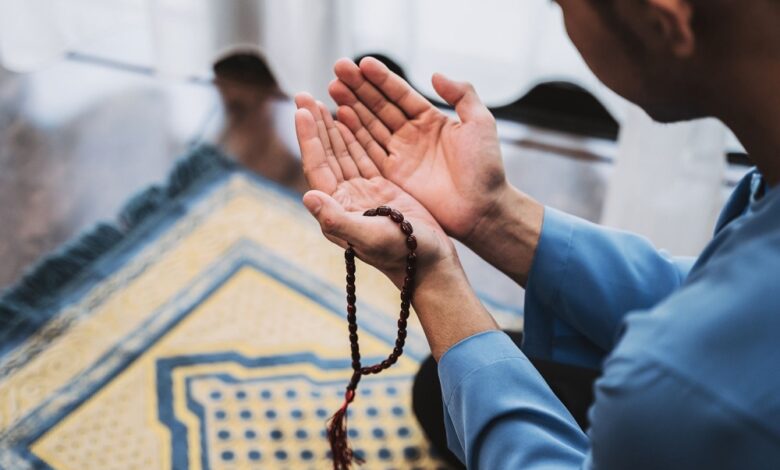
The circular emphasized the need for discipline among mosque staff, including imams and muezzins, stressing that absence during the holy month is prohibited except in cases of extreme necessity, and that a substitute must be appointed by the relevant branch. Regarding timing, the Ministry mandated adherence to the Umm al-Qura calendar for the call to prayer, specifying a 15-minute interval between the call to prayer and the commencement of prayer for Isha and Fajr prayers, to facilitate worshippers. It also stipulated that Taraweeh prayers should not be prolonged and that Tahajjud prayers during the last ten nights should conclude well before the Fajr prayer.
Photography and donations are prohibited: Privacy and security are protected
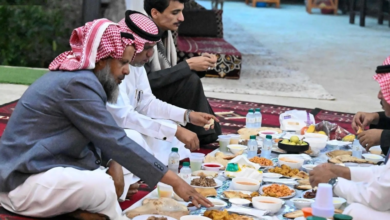
In order to preserve the spirituality of prayer and the privacy of worshippers, the Ministry prohibited the installation of cameras that film the imam or worshippers and banned the broadcasting of prayers through any media outlet. The directives also included a strict ban on collecting financial donations for any purpose whatsoever, including projects to provide meals for those fasting during Ramadan, restricting such donations to authorized official channels. Furthermore, the directives prohibited begging within and around mosques and encouraged citizens to give their alms through official and trusted platforms to ensure that their donations reach those who are truly in need.
Organization of retreats and maintenance services
The Ministry emphasized the importance of organizing the practice of Itikaf (seclusion in the mosque for worship), stipulating the presence of an imam and a muezzin responsible for those observing Itikaf, along with the necessity of registering their information and obtaining sponsorship approvals for non-Saudis. Regarding services, the Ministry directed the intensification of maintenance and cleaning team rounds, particularly in women's prayer areas, to ensure a healthy and clean environment befitting the sanctity of the place and time. It affirmed that supervisors will submit daily reports to monitor any issues and address them immediately.