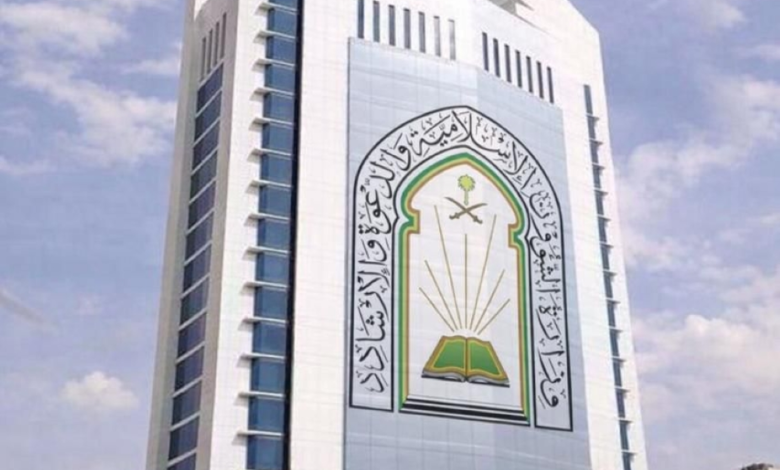
Mosques and prayer halls throughout the Kingdom of Saudi Arabia have witnessed a high level of organization and readiness with the start of the holy month of Ramadan, thanks to the intensive field efforts led by the Ministry of Islamic Affairs, Dawah and Guidance . These measures reflect the Ministry's commitment to preparing houses of worship and providing a spiritually uplifting atmosphere for worshippers, in accordance with the sanctity of the holy month and the sacredness of the place.
Intensive field efforts: 30,000 tours in 3 days
In a move reflecting the scale of the diligent work, official reports revealed that the Ministry's inspection teams conducted over 30,000 inspection tours during the first three days of Ramadan alone. These tours included a comprehensive survey of mosques and their facilities across the Kingdom's cities and governorates. This intensive campaign aims to directly assess cleanliness, maintenance, and the efficient operation of air conditioning and lighting systems to ensure the comfort of worshippers during the obligatory prayers and Taraweeh prayers.
General context: Caring for mosques is a fundamental pillar
These efforts are not spontaneous, but rather an extension of the Kingdom of Saudi Arabia's long-standing approach, since its founding, to the care and maintenance of mosques, both physically and spiritually. The wise leadership places great importance on the mosque sector, dedicating all resources to serving pilgrims and those who frequent the mosques. These tours are particularly important during Ramadan, when the number of worshippers increases significantly, necessitating the highest level of operational readiness to accommodate this surge and ensure the uninterrupted continuity of services.
Control over religious practices and regulatory controls
The ministry explained in its report that the field visits were not limited to technical aspects only, but focused heavily on organizational and legal aspects, most notably:
- Prayer times: Monitoring the commitment of imams and muezzins to call the adhan and perform the prayers according to the Umm al-Qura calendar.
- Tarawih regulations: Ensure compliance with the instructions regulating Tarawih and Tahajjud prayers.
- Loudspeakers: Adjusting the volume levels of external and internal loudspeakers according to specified standards to prevent disturbance to residents and neighboring mosques.
- Prohibition of photography: Emphasis is placed on not using cameras to photograph worshippers or broadcast prayers via social media platforms, in order to preserve reverence and the privacy of worshippers.
Organizing Iftar meals and donations
In a related context, the monitoring included the organization of iftar meals within mosque courtyards, ensuring that those in charge had obtained the necessary permits and adhered to hygiene and safety standards. The monitors also emphasized the prohibition of collecting cash donations within mosques under any pretext, directing donors to official, approved channels to guarantee that donations reach their intended beneficiaries and to prevent any financial exploitation in violation of regulations.
Impact and results: High commitment and community partnership
The results of the field visits demonstrated a high level of awareness and commitment among mosque staff, including imams, muezzins, and caretakers. The observed violations were very limited and were addressed immediately. This discipline reflects the success of the proactive plans implemented by the Ministry before the start of Ramadan. The Ministry also called upon citizens and residents to be partners in this success by reporting any observations or shortcomings through the unified call center (1933) , emphasizing that its teams are working around the clock to serve the houses of God.