Israel destroys 300 Iranian missile launchers amid escalating tensions with Azerbaijan

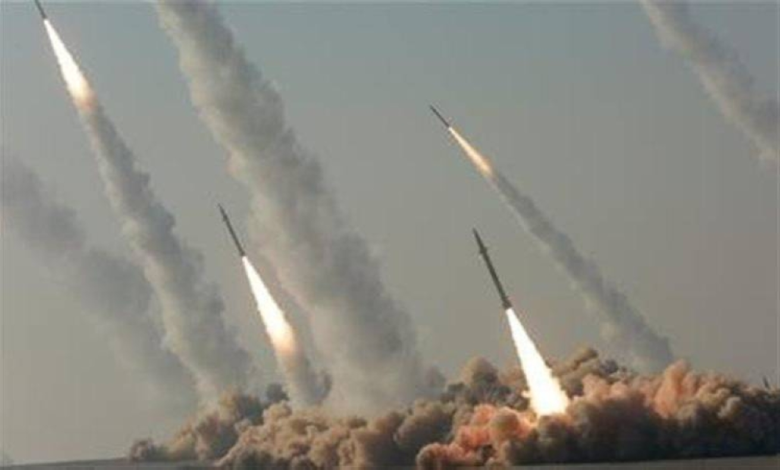
In a significant military development indicating escalating tensions in the Middle East, the Israeli army announced a series of extensive military operations inside Iranian territory, resulting in the destruction of 300 missile launch sites to date. The military statement explained that Israeli forces launched 113 focused attacks targeting critical infrastructure in Iran on Thursday, reflecting a qualitative shift in the strategy of direct confrontation between the two sides.
Dimensions of military escalation and its impact on infrastructure
These intensified strikes come within the context of a strategy aimed at neutralizing Iran's missile capabilities, which Israel considers a direct existential threat. Targeting 300 launch sites is not merely a military figure; it signifies the crippling of a significant portion of Tehran's offensive and deterrent capabilities. Furthermore, the 113 attacks on infrastructure indicate a broadening of the target range to include command and control centers and logistical facilities, which could have long-term repercussions on the operational capabilities of the Iranian military.
Simultaneous tension on the Azerbaijani front
Concurrently with Israeli operations, tensions are escalating along Iran's northern border with neighboring Azerbaijan. Baku announced its readiness to take appropriate retaliatory measures following the downing of two Iranian drones within its territory, specifically near an airport and a school, posing a threat to civilians. The Azerbaijani Ministry of Defense issued a firm statement affirming that the country "is preparing to take the necessary countermeasures to protect its territorial integrity and sovereignty, and to ensure the safety of civilians and civilian infrastructure," emphasizing that these acts of aggression will not go unanswered. This adds a new front of tension, further complicating the regional landscape.
A unified international and Gulf stance against the threats
On the diplomatic and regional front, the emergency Gulf-European ministerial meeting issued a strongly worded joint statement regarding the Iranian attacks. The statement condemned in the strongest terms the unjustified Iranian attacks on the Gulf Cooperation Council (GCC) states, emphasizing that these actions constitute a blatant threat to regional and international security. This stance reflects growing international concern about Iranian behavior and indicates a consensus between the Gulf states and the European Union on the need to address these threats, which not only affect the security of the region but also jeopardize global energy and trade routes.
Strategic context and future of the region
This multi-front escalation places the region at a dangerous crossroads. On one hand, Israel seeks to preemptively undermine Iranian military influence, while on the other, Tehran faces diplomatic and military pressure from its neighbors in the Caucasus and the Gulf. Analysts suggest that the continuation of this pattern of attacks and retaliatory strikes could drag the region into a wider confrontation, necessitating international intervention to de-escalate the situation and prevent it from spiraling into a full-blown regional war.