Israel: 80% of Iran's air defenses destroyed and plans to assassinate Khamenei

In a significant escalation reflecting a fundamental shift in the regional conflict, senior Israeli military official Eyal Zamir revealed new strategic data concerning the direct confrontation with Tehran. In statements carried by media outlets, including Al Arabiya, Zamir asserted that the Israeli army had managed to destroy approximately 80% of Iran's air defense capabilities, thus announcing a transition to a "new phase" in the ongoing war in the region.
Military surprises and stripping Iran of its air shield
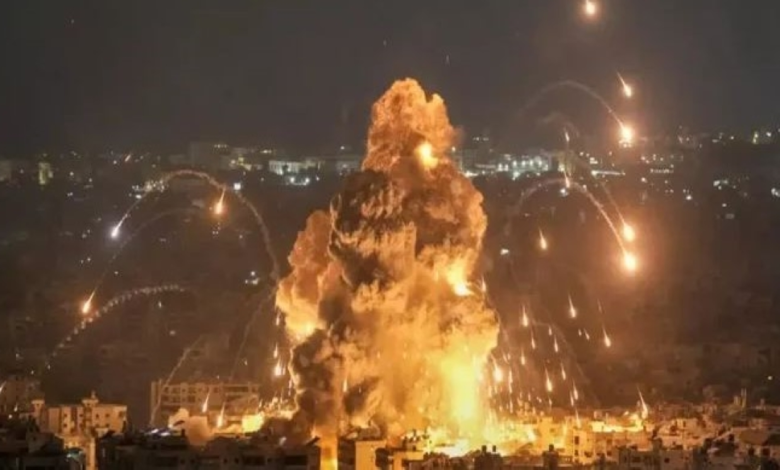
Zamir noted that ongoing Israeli military operations have succeeded in striking Iran's military infrastructure with unprecedented force. He explained that the destruction of the vast majority of Iran's air defense systems effectively means that Iranian airspace is now more exposed to the Israeli Air Force than ever before. The Israeli official added, in a tone that carried a hint of menace, "We have some big surprises in store," emphasizing Tel Aviv's determination to continue targeting Tehran's military capabilities to ensure they do not pose an existential threat.
Background to the conflict: "Days of Repentance" strikes and changing rules of engagement
These statements come amid a series of tit-for-tat attacks in recent months, most notably the large-scale Israeli attack in late October, which Israel dubbed "Days of Repentance." This attack precisely targeted Russian-made S-300 missile batteries and advanced radar systems in several Iranian provinces. Military experts believe that neutralizing these systems represents a major blow to Iran's deterrence strategy, as Tehran relies heavily on these defense networks, now largely inoperable, to protect its nuclear and missile facilities.
The plot to assassinate Khamenei: Unveiling the truth
In a related development, Zamir made a startling revelation, indicating that a plan to assassinate Iranian Supreme Leader Ali Khamenei had been seriously considered by Israel's security and political leadership since last November. This statement reflects the level of intelligence and operational audacity Israel has reached, and suggests that the option of "decapitation" and targeting the highest echelons of power in Iran is no longer a red line in Israeli calculations, especially after Iran's attempts to target Israeli officials.
Regional and international repercussions
This announcement carries serious implications for the stability of the Middle East. Strategically, Iran's loss of 80% of its air defenses represents a significant shift in the conventional balance of power, potentially pushing Tehran to seek alternative deterrents or accelerate its nuclear program to compensate for this defensive vulnerability. Internationally, major capitals are cautiously monitoring these developments, fearing that the "new phase" Zamir referred to could lead to a full-blown confrontation that transcends the geographical borders of the two countries, involving Iran's proxies in the region and impacting maritime security and global energy supplies.