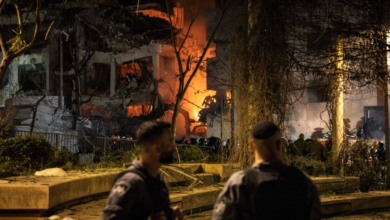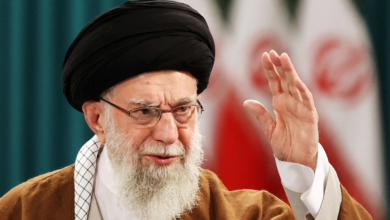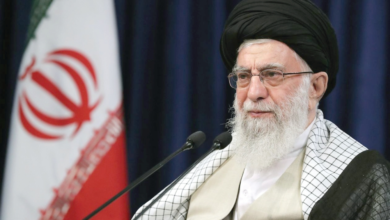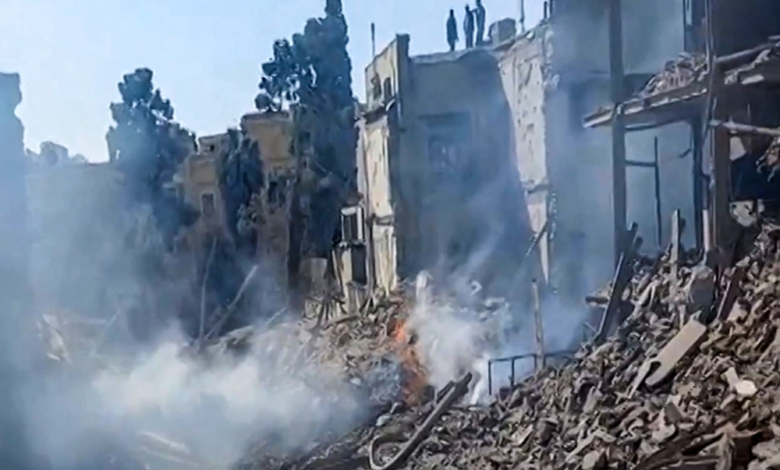
In a major military escalation that threatens to widen the conflict in the Middle East, the Israeli army officially announced a series of precise and focused airstrikes targeting more than 30 military sites deep inside Iran. Military reports confirmed that the operation included targeted strikes against strategic facilities, in response to the ongoing threats and attacks Israel has faced recently.
Field sources and eyewitnesses in the Iranian capital, Tehran, reported hearing loud explosions that shook the city and its suburbs in the early hours of Sunday morning. According to initial reports, at least three massive explosions occurred around 4:00 AM local time (12:30 AM GMT), coinciding with the sound of intense drone and fighter jet activity in the area, creating a state of tension and anticipation among the Iranian public.
Context of the conflict and historical background
This attack cannot be separated from the broader context of escalating tensions between Tehran and Tel Aviv, which have recently shifted from a phase of "shadow warfare" and cyber operations or targeting through proxies to one of direct military confrontation. This Israeli move comes as part of a series of tit-for-tat responses, as Israel seeks to establish a new deterrent equation that prevents Iran from developing its missile or nuclear capabilities, which Tel Aviv considers an existential threat to its national security.
Strategic importance and expected impacts
This attack carries profound strategic implications and potential effects on several levels:
- On the domestic front: Targeting the capital, Tehran, poses a direct challenge to Iran’s air defense systems and may push the Iranian leadership to make difficult decisions regarding the nature of the response, amid internal pressures and economic challenges.
- On the regional level: Neighboring countries are increasingly concerned about the possibility of the region sliding into a full-blown regional war that could affect the security of navigation in the Arabian Gulf and the Strait of Hormuz, which puts Arab countries in a delicate diplomatic position that requires calls for calm and restraint.
- Internationally, the international community, led by the United States and the European Union, is watching these developments with grave concern. Global worries center on the impact of this escalation on global energy markets and oil prices, as well as on the stalled diplomatic efforts to revive nuclear agreements or achieve a ceasefire in Gaza and Lebanon.
Military analyses indicate that Israel’s selection of more than 30 specific military targets reflects a desire to neutralize Iranian offensive capabilities without targeting civilian or oil infrastructure extensively at this stage, in order to avoid igniting a comprehensive war whose consequences cannot be controlled. However, the coming days will be crucial in determining the course of this long conflict.