Israel threatens to assassinate Khamenei's successor, and the US escalates tensions in the Gulf

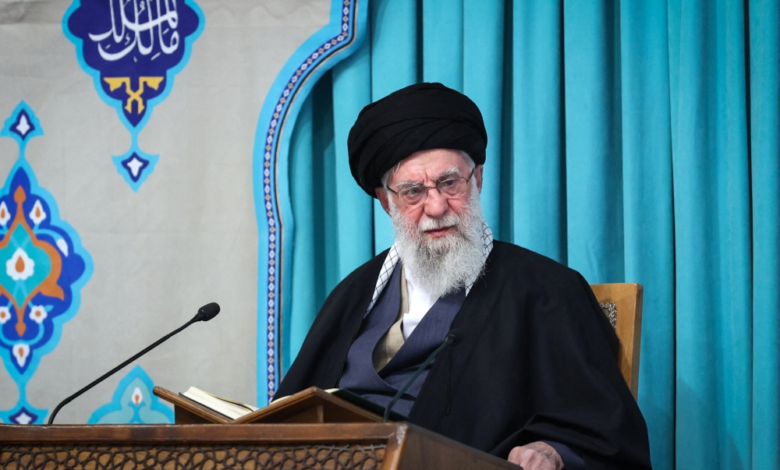
In a dangerous and unprecedented escalation that threatens to reshape the conflict in the Middle East, Israeli Defense Minister Yisrael Katz issued a strongly worded threat on Wednesday, vowing to assassinate any Iranian leader chosen to succeed Supreme Leader Ali Khamenei. This threat comes in the wake of reports that Khamenei was killed in joint US-Israeli strikes targeting Tehran, further escalating tensions across the region.
A direct threat to decapitate the regime
Katz confirmed in an official post on the "X" platform that Israel will not hesitate to target the new leadership, emphasizing that "any leader chosen by the Iranian terrorist regime to continue leading the plan to destroy Israel and threaten the United States and the free world will be a definite target for assassination." The Israeli minister added, in a harsh tone, that this fate will pursue the expected successor "whoever his name may be or wherever he hides," indicating that Tel Aviv possesses an updated target bank and precise intelligence that allows it to reach the highest echelons of power in Tehran.
US military operations: Unprecedented numbers
In parallel with the Israeli threats, the US military revealed its extensive involvement in the ongoing military operations. According to publicly released data, a massive force of 50,000 troops, supported by 200 fighter jets and two aircraft carriers, is participating in the ongoing military campaign. Field reports indicate that approximately 2,000 airstrikes and missile attacks were carried out in less than 100 hours deep inside Iran, reflecting an overwhelming firepower aimed at crippling the regime's military capabilities.
In a related development, military sources confirmed the destruction of 17 Iranian vessels, including an operational submarine, effectively neutralizing the Iranian navy for the time being. The US military stated that "there are currently no Iranian vessels operating in the Persian Gulf, the Strait of Hormuz, or the Gulf of Oman," granting US and Israeli forces complete maritime control in these vital waterways.
Energy security and the Strait of Hormuz
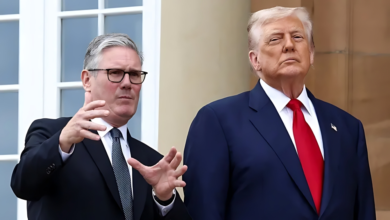
On the economic and strategic front, US President Donald Trump intervened in the crisis, ordering the US International Development Finance Corporation to provide insurance coverage and financial guarantees for maritime trade through the Strait of Hormuz. This move aims to reassure global markets and ensure the flow of energy supplies.
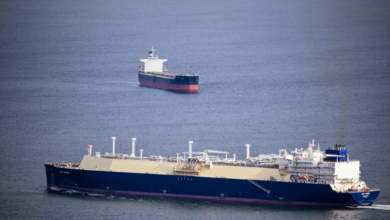
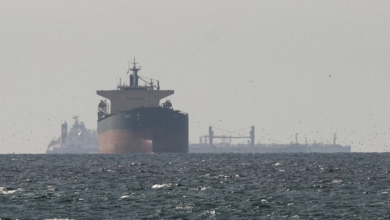
Trump warned that the US Navy might soon begin directly escorting oil tankers through the Strait of Hormuz if necessary, a move reminiscent of the Tanker War of the 1980s, but this time amid the near-total absence of hostile Iranian naval vessels following recent strikes. This action reflects the paramount importance Washington places on the security of waterways and its desire to prevent any catastrophic economic repercussions that could result from a leadership and military vacuum in Tehran.
Regional and international repercussions
Observers believe that the combination of assassinating the head of state in Iran, the explicit threat to eliminate his successor, and the simultaneous destruction of naval capabilities represents the most aggressive form of the "maximum pressure" strategy. This shift transforms the confrontation from a proxy war to a direct clash aimed at fundamentally undermining the Iranian regime, opening the door to multiple scenarios for the region's future, ranging from the regime's internal collapse to widespread regional chaos.