
تصعيد عسكري غير مسبوق في المنطقة
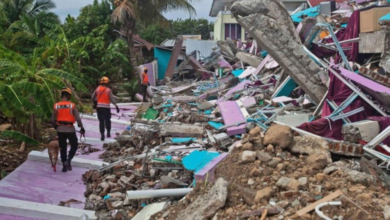
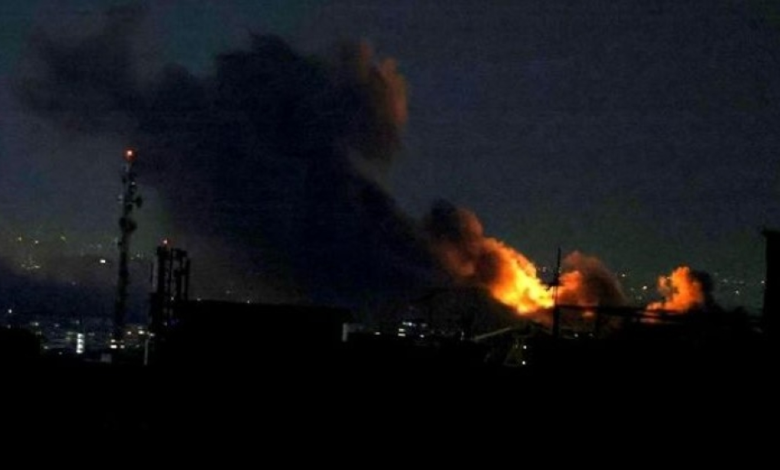
أعلن جيش الاحتلال الإسرائيلي عن تنفيذ سلسلة من الهجمات الجوية الواسعة التي استهدفت أكثر من 200 هدف داخل الأراضي الإيرانية خلال عطلة نهاية الأسبوع، وذلك وفقاً لما نقلته قناة “العربية”. ولم تقتصر العمليات العسكرية على الساحة الإيرانية فحسب، بل امتدت لتشمل الجبهة اللبنانية، حيث أشار البيان العسكري إلى مهاجمة أكثر من 140 هدفاً تابعاً لحزب الله في لبنان، مما يعكس اتساع رقعة التصعيد العسكري في منطقة الشرق الأوسط وتعدد جبهات المواجهة.
استهداف البنية التحتية الاقتصادية في خوزستان
وفي سياق متصل، أكد مسؤول إيراني كبير يوم السبت مقتل خمسة أشخاص إثر ضربات وُصفت بأنها “إسرائيلية-أمريكية” استهدفت موقعاً استراتيجياً للصناعات البتروكيماوية في جنوب غرب إيران. وتركز الهجوم بشكل خاص على منشآت وشركات حيوية تقع ضمن المنطقة الاقتصادية الخاصة للبتروكيماويات في مدينة “ماهشهر” التابعة لمحافظة خوزستان الغنية بالموارد. وتعتبر هذه المنطقة بمثابة الشريان الاقتصادي لقطاع البتروكيماويات الإيراني، مما يشير إلى تحول خطير في بنك الأهداف ليشمل البنية التحتية الاقتصادية ومصادر الدخل القومي.
السياق التاريخي وتصاعد التوترات الإقليمية
تأتي هذه التطورات الميدانية المتسارعة في سياق تاريخي معقد يتسم بالعداء المستحكم بين إسرائيل وإيران. لسنوات طويلة، انخرط الطرفان في ما يُعرف بـ “حرب الظل”، والتي شملت هجمات سيبرانية، واغتيالات لشخصيات بارزة، واستهدافاً متبادلاً للسفن التجارية. ومع اندلاع الحرب في قطاع غزة في السابع من أكتوبر 2023، ارتفعت وتيرة التوتر الإقليمي بشكل ملحوظ، وخرجت المواجهات إلى العلن بشكل مباشر، مما جعل المنطقة بأسرها تقف على صفيح ساخن وسط تحذيرات من اندلاع حرب إقليمية شاملة.
تداعيات استهداف الجبهة اللبنانية
أما على الجبهة اللبنانية، فإن استهداف 140 موقعاً لحزب الله يعكس استمرار استراتيجية الردع المتبادل التي تحولت إلى حرب استنزاف يومية عبر الحدود الجنوبية للبنان. وقد أدت هذه الاشتباكات المستمرة إلى نزوح عشرات الآلاف من المدنيين على كلا الجانبين، وسط مساعٍ دبلوماسية دولية حثيثة لمحاولة فصل الجبهة اللبنانية عن مسار الأحداث في غزة وتجنب تدمير البنية التحتية اللبنانية.
التأثير المتوقع على الساحة الدولية وأسواق الطاقة
من الناحية الاقتصادية والجيوسياسية، يحمل استهداف منشآت في محافظة خوزستان الإيرانية رسائل خطيرة تتجاوز البعد المحلي. فالمنطقة تعتبر مركزاً رئيسياً لإنتاج وتصدير النفط والبتروكيماويات، وأي تهديد جدي لهذه المنشآت ينعكس فوراً على أسواق الطاقة العالمية، مما قد يؤدي إلى تقلبات حادة في أسعار النفط. علاوة على ذلك، فإن الإشارة إلى تورط أمريكي في الضربات، بحسب التصريحات الإيرانية، يزيد من تعقيد المشهد الدبلوماسي، ويضع المجتمع الدولي أمام تحديات كبيرة لاحتواء الصراع ومنع تمدده بما يهدد الأمن والسلم الدوليين.