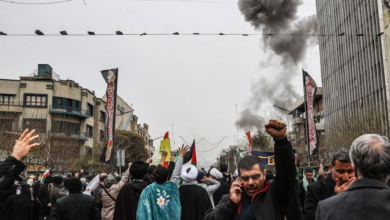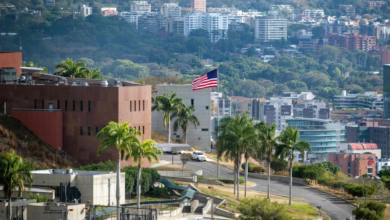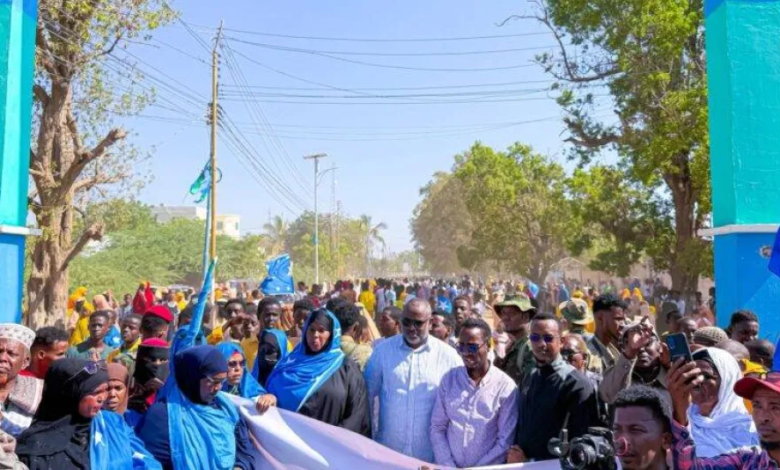

News and reports circulating about the possibility of Israel recognizing Somaliland as an independent state are raising serious concerns about escalating tensions in the Horn of Africa, potentially deepening the militarization of the Red Sea. This development comes at a time of intense geopolitical competition in the region, as international and regional powers seek to bolster their influence in this vital waterway through which a significant portion of global trade passes.
Historical context and the search for legitimacy
To understand the dimensions of this event, one must go back to 1991, when Somaliland declared its independence from the Federal Republic of Somalia following the collapse of the central government in Mogadishu. Despite enjoying relative political and security stability compared to the south, and possessing its own currency, army, and parliament, the region has not received formal international recognition. The government in Hargeisa (the region's capital) has long sought international allies to break this isolation, and it appears that shared interests with Israel have paved the way for this rapprochement, as Israel has historically viewed the Horn of Africa and its surrounding countries as a strategic depth for its national security.
The strategic importance of the Red Sea
Israeli moves cannot be separated from the complex security landscape in the Red Sea. With increasing threats to maritime navigation, particularly from the Houthi group in Yemen, and ongoing tensions with Iran, Tel Aviv seeks to secure a military and intelligence foothold near the Bab el-Mandeb Strait. The strategic location of Somaliland, and specifically the port of Berbera, provides an ideal base for monitoring maritime traffic and securing commercial vessels, which explains the growing interest in strengthening ties with this breakaway region.
Regional and international repercussions and the risks of militarization
Any official Israeli move to recognize "Somaliland" will not be without serious consequences for regional stability. On the one hand, the Somali government in Mogadishu considers any direct diplomatic engagement with the region a violation of its sovereignty and territorial integrity, which could exacerbate the internal conflict. On the other hand, such a move could prompt other regional powers, such as Egypt, Turkey, and Iran, to bolster their military presence in the region to create a balance of power, transforming the southern Red Sea into a military garrison teeming with foreign bases.
Furthermore, this issue coincides with tensions arising from the memorandum of understanding signed by Ethiopia with Somaliland to gain access to the sea, further complicating the situation. Consequently, Israel's involvement in the crisis could accelerate international polarization and transform the Red Sea into an open arena for proxy conflicts, directly threatening energy security and global trade.