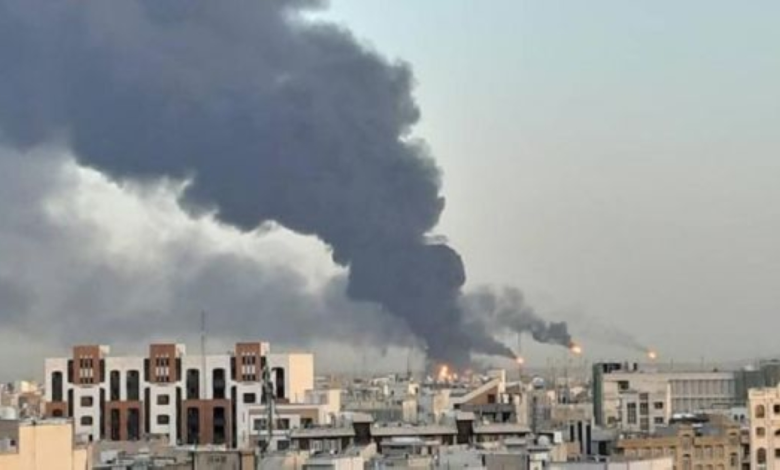
Israeli attack targets Iran: Details of the bombing of Sanandaj Airport in Hamadan

New Israeli escalation targeting the Iranian heartland
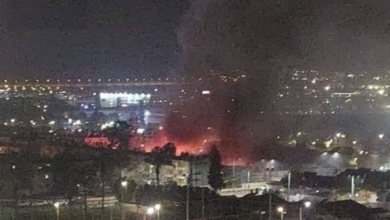
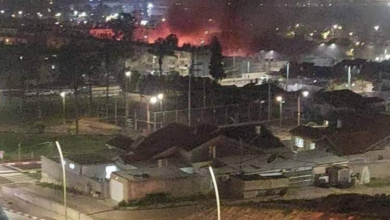
In a dangerous development reflecting escalating tensions in the Middle East, the Israeli army released images documenting its bombing of Sanandaj Airport in Iran's Hamadan province, according to Al Arabiya. This attack represents a new chapter in the series of tit-for-tat strikes, with a senior Israeli official revealing that the airstrikes against Iran have achieved strategic objectives, most notably disrupting the supply lines of essential components needed for ballistic missile production, thus dealing a blow to Iran's offensive military capabilities.
Iran's response and handling of the attack
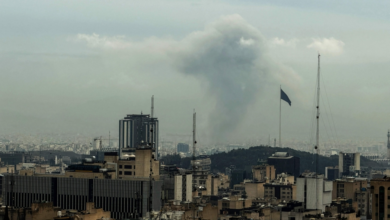
On the other hand, Iranian state media quickly clarified the situation, confirming earlier that Iranian air defense systems had been activated to counter hostile targets and attacks in the skies over Tehran and other areas. This heightened security reflects the country's state of high alert in anticipation of any wider attacks that might target vital infrastructure or sensitive military installations.
The historical context of the shadow war between Israel and Iran
To understand the dimensions of this event, one must consider the historical context of the conflict between Tehran and Tel Aviv. For years, the two sides have waged what is known as a “shadow war,” which has included cyberattacks, intelligence operations, and mutual targeting of shipping lanes. However, the shift to direct and declared military strikes, such as the bombing of Sanandaj Airport in Hamadan, represents a radical change in the rules of engagement. Israel has long considered Iran’s missile program an existential threat and has repeatedly sought to undermine these capabilities to prevent the strengthening of Iranian-backed factions in the region.
Regional and international repercussions and energy threats
The impact of this escalation is not limited to the military sphere; it extends to the global economy and energy security. In this context, US President Donald Trump issued sharp statements on Thursday, threatening to destroy Iran's massive South Pars gas field if Iran attacks Qatari liquefied natural gas facilities again. This threat puts the region on a knife's edge, as targeting energy infrastructure in the Gulf could trigger an unprecedented global energy crisis.
The strategic importance of the event and its expected impact
Domestically, this attack places significant pressure on the Iranian leadership to address security breaches. Regionally, the event raises the specter of a wider conflict that could draw in major international powers and disrupt maritime traffic in the Strait of Hormuz. Internationally, disrupting Iranian missile production aligns with Western interests seeking to curb Iranian military influence. The situation remains fluid, with ongoing military buildups and mutual threats jeopardizing the stability of the entire Middle East.